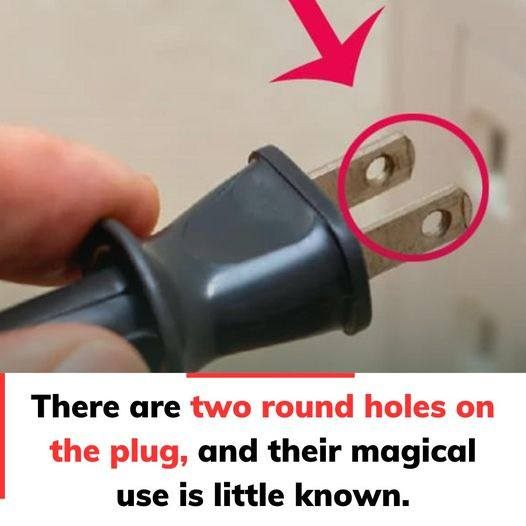
The small holes on the prongs of electrical plugs serve several practical and safety-related purposes. While these holes might seem like minor design details, they play an important role in making the plug function more securely and safely, as well as providing benefits in the manufacturing process.
First and foremost, the primary reason for these holes is to help the plug remain securely in place within an electrical outlet. Inside a standard electrical outlet, there is often a raised metal ridge or other mechanism that aligns perfectly with the holes on the plug prongs. When the plug is inserted, these raised sections slot into the holes, ensuring a firmer connection between the plug and the metal contacts inside the outlet. This design helps prevent the plug from accidentally slipping out or becoming loose, providing a steady and consistent flow of electricity to the connected device. The secure contact reduces the likelihood of sparks or electrical arcing, which can occur when prongs shift inside the outlet and make intermittent contact. Consequently, this small design detail contributes significantly to both the safety and performance of the plug and outlet connection.
Another key benefit of these holes is related to child safety. The holes allow the prongs to sit further into the outlet, which makes it harder for curious children to tamper with the plug or outlet. Many children are naturally curious about electrical outlets and may try to insert objects into them. Flat-pronged plugs with holes that fit securely in the socket reduce the chance of the plug becoming partially dislodged, which would otherwise leave part of the prong exposed and accessible. When plugs are securely fitted into the socket, they help shield the prongs from accidental contact, adding a layer of protection for children.
Using round-pronged plugs that do not fit as snugly in an outlet can leave portions of the prongs exposed, posing a greater risk for young children who might touch or interfere with the prongs. As such, families with young children are advised to use flat-pronged plugs with these holes to reduce the potential risk of shock or injury. Many newer outlets and plugs are also designed to be tamper-resistant, a feature that enhances child safety by requiring the simultaneous insertion of both prongs to open the internal shutters within the outlet. These shutters prevent children from inserting single objects into the outlet, further reducing the risk of accidents.
The two holes also serve an important function in the manufacturing and retail process. When items are packaged and shipped, manufacturers can use the holes in the plug prongs to secure the plug with tamper-evident seals or ties. By affixing a seal through the holes, manufacturers create a quick and easy way for customers to identify if the plug has been used or tampered with. For example, a new plug will have its seal intact, while an opened or resealed plug might not. This method also provides a simple and effective way for retailers and consumers to verify the authenticity and newness of a product, adding a layer of trust and accountability to the purchasing process.
Moreover, the design of these holes brings an added benefit in terms of material efficiency and cost savings during manufacturing. By incorporating these two small holes, manufacturers can reduce the overall amount of metal required for each prong without compromising structural integrity. While the savings on each plug may be minimal, when applied across millions of units produced annually, the amount of steel saved becomes significant. This efficiency not only helps reduce material costs but also minimizes waste and contributes to more sustainable manufacturing practices.
In summary, the two small holes on the prongs of electrical plugs fulfill multiple essential functions. They enhance the stability and security of the plug within an outlet, which ensures a steady electrical connection and minimizes the risks associated with loose or wobbly plugs. The holes also contribute to child safety by reducing the likelihood of accidental exposure to live prongs, making flat-pronged plugs a safer choice for households with children. Additionally, the holes provide a convenient way for manufacturers to secure tamper-evident seals, helping consumers differentiate between new and potentially used items. Finally, the design contributes to material efficiency, allowing manufacturers to save on steel and reduce costs across large production runs. While these holes may seem like a small feature, their impact on safety, functionality, and manufacturing efficiency is substantial, demonstrating the thoughtful engineering behind everyday electrical plugs.
