After an incredible nine months in space, NASA astronauts Barry Wilmore and Sunita Williams have finally returned to Earth, marking the end of an unexpected ordeal that kept them stranded aboard the International Space Station (ISS) far longer than planned.
Wilmore and Williams originally launched in June 2024 for what was meant to be a brief mission—just eight days in orbit. However, a series of technical complications forced them to extend their stay, turning what should have been a routine trip into an extended nine-month mission.
On March 18, the two astronauts finally made their way back home, ferried aboard SpaceX’s Dragon spacecraft. Their return, however, was anything but a triumphant walk off the landing site. Upon splashdown, both astronauts were immediately whisked away on stretchers, a stark reminder of the physical toll long-term space travel can have on the human body.
For Wilmore and Williams, adjusting back to life on Earth will be a complex and challenging process. Experts have already warned of potential health concerns linked to their extended time in space. NASA’s Johnson Space Center in Houston will closely monitor their recovery, conducting extensive tests to assess their physical condition.
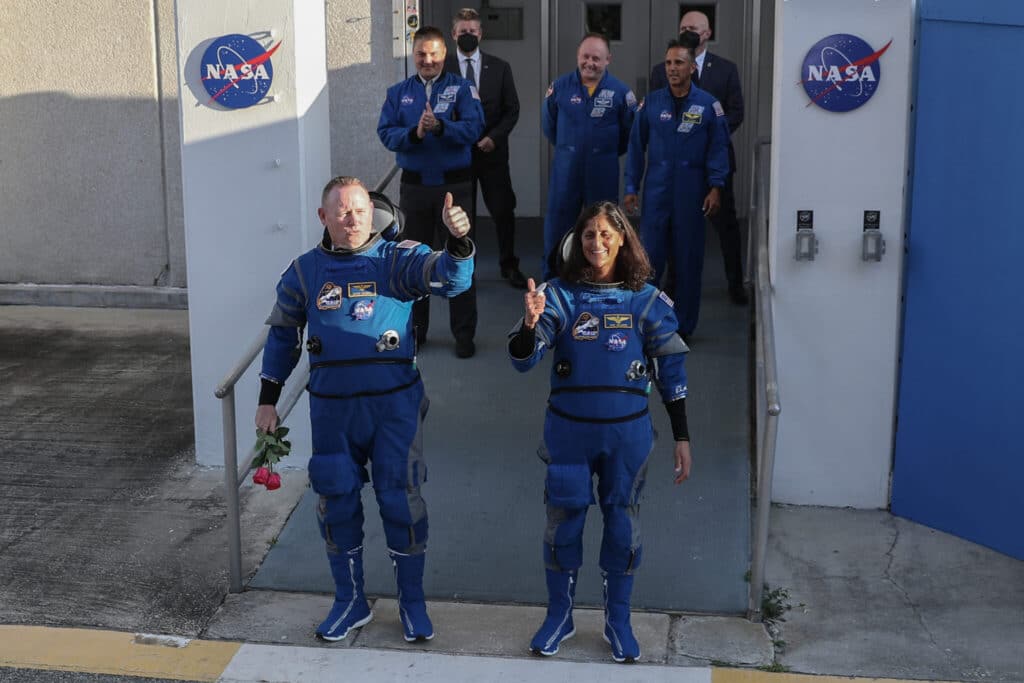
One of the most immediate challenges they face is simply readjusting to gravity. After nine months of weightlessness, their bodies must once again adapt to Earth’s gravitational pull—a process that can lead to muscle weakness, bone density loss, and even changes in circulation. Conditions like “chicken legs” (muscle atrophy in the lower limbs) and “baby feet” (tender, swollen soles) are common among astronauts returning from long missions.
Beyond the visible effects, medical specialists are particularly concerned about Spaceflight Associated Neuro-Ocular Syndrome (SANS), a condition caused by fluid shifts in the body due to prolonged microgravity exposure. This buildup of pressure in the skull can affect the optic nerves and lead to vision problems—some of which may be permanent. NASA has reported that while many astronauts recover from SANS, long-duration missions like the one Wilmore and Williams endured could increase the risk of lingering effects.
Another concern is the potential impact of space radiation. Spending months in orbit means prolonged exposure to cosmic rays, which could elevate their risk of developing certain health conditions, including an increased likelihood of cancer. Scientists are still studying the long-term effects of space radiation, but it’s one of the major factors limiting human space exploration.
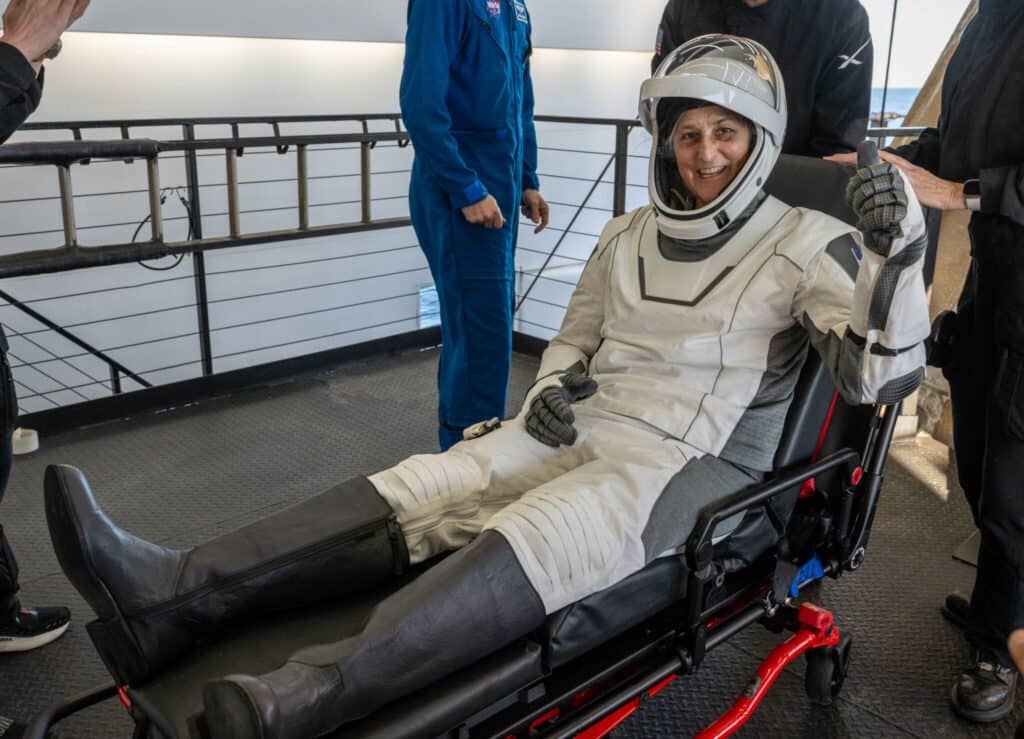
The astronauts’ return also put their physical transformations on display. Those who saw them noted their visibly gaunt appearances, likely a result of muscle loss and the difficulty in maintaining a healthy weight in space. Even with regular exercise aboard the ISS, astronauts still experience significant muscle atrophy due to the absence of gravity.
To counteract the effects of prolonged weightlessness, NASA places returning astronauts through extensive rehabilitation programs, helping them rebuild muscle strength and bone density over several months. For Wilmore and Williams, the process will involve a carefully managed regimen of physical therapy, monitored nutrition, and medical evaluations.
Their return serves as another reminder of the immense challenges of long-duration space travel. As NASA and its partners continue pushing toward deep-space exploration—including future missions to Mars—understanding and mitigating these health risks will be critical to ensuring astronaut safety on even longer journeys.
Despite the hardships, Wilmore and Williams have made history, enduring an unplanned nine-month mission and safely returning to Earth. Now, as they begin their recovery, their experience will contribute valuable data to NASA’s ongoing efforts to explore the final frontier.
What are your thoughts on their dramatic return? Let us know in the comments.
