Health Secretary Robert F. Kennedy Jr. is back in the headlines—and not for reasons he might welcome. In a recent meeting with Donald Trump and Cabinet members, he revived one of his most controversial claims: that the common painkiller Tylenol could be linked to autism. Though he acknowledged there’s no medical proof, he doubled down on the theory and floated a few new twists.
Just weeks ago, Trump and Kennedy hinted at a supposed breakthrough, suggesting pregnant women who take common painkillers might increase autism risk in their babies. Scientists swiftly refuted the idea, stressing there’s no evidence of any causal link between acetaminophen and autism. Tylenol’s manufacturer publicly disagreed with the allegations, and the National Autistic Society condemned the comments as dangerous and anti-science. Critics say the push to pin autism on everyday medications is misguided and potentially harmful—among them former president Barack Obama, who warned the administration’s direction could threaten public health.
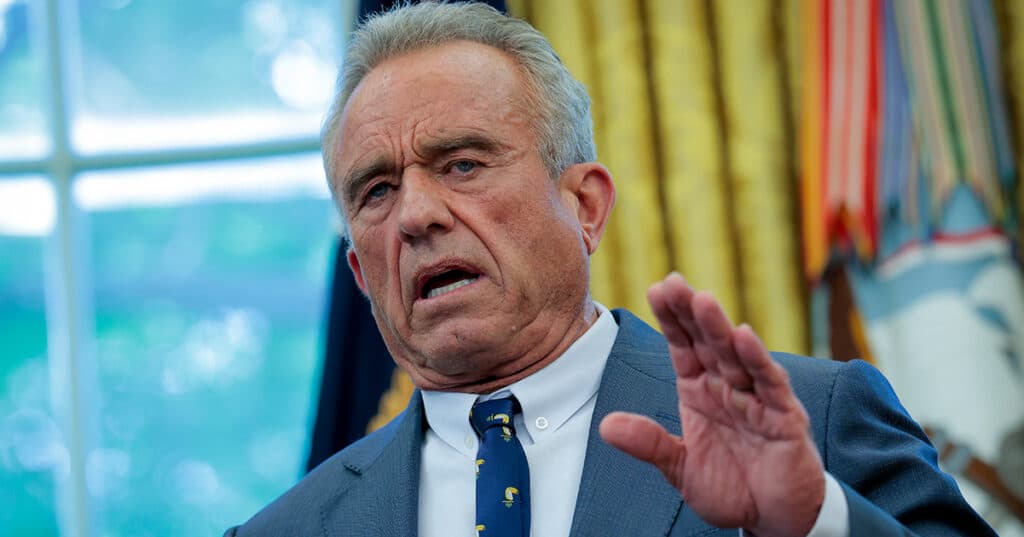
At the Cabinet meeting, Kennedy pressed on. “Anybody who takes the stuff during pregnancy unless they have to is irresponsible,” he told Trump, adding, “It is not proof. We’re doing the studies to make the proof.” He also drew ridicule with a basic anatomy flub, claiming a woman on TikTok was “gobbling Tylenol with a baby in her placenta”—babies develop in the uterus, not the placenta—and attributed her behavior to “Trump derangement syndrome.” He then resurfaced an older, debunked notion that infant circumcision doubles autism rates because babies receive Tylenol afterward, a misreading of a 2015 Danish study that reported a correlation—not causation—and had no data on painkiller use. Researchers themselves warned against drawing such conclusions.
Kennedy’s insistence on linking routine health practices to autism has reignited fierce criticism, with many experts worried that statements from a sitting health secretary can lend unwarranted credibility to unproven claims and undermine evidence-based medicine. What do you think—should public figures be held accountable for promoting unproven medical theories, or is this simply free speech?
More From Daily Positive
 Kamala Harris Shares Photo Of Carter Funeral, Sparks Outrage After People Notice Small Detail.
 Woman stab-bed her husband to death after finding out he abused!
 Student, 21, dies just days after getting what he thought was ‘fresher’s flu’
 “He didn’t just go too far — he tore open wounds I thought had healed. And now… I don’t know if I’ll ever forgive him.”!— Nicole Kidman Breaks Down After Keith Urban Secretly Drops a 15-Minute Song ‘Broken Halo’ That Exposes the Pain, Secrets, and Love They Tried to Hide From the World”!
 I Discovered My Husband Was Having an Affair with Our Neighbor’s Daughter — But Instead of Exploding, I Invited Her to Our Home the Very Next Day
 “He Did It” Chicago Mayor Brandon Johnson Shocks US – Reveals Who’s REALLY Behind the Violence in Chicago