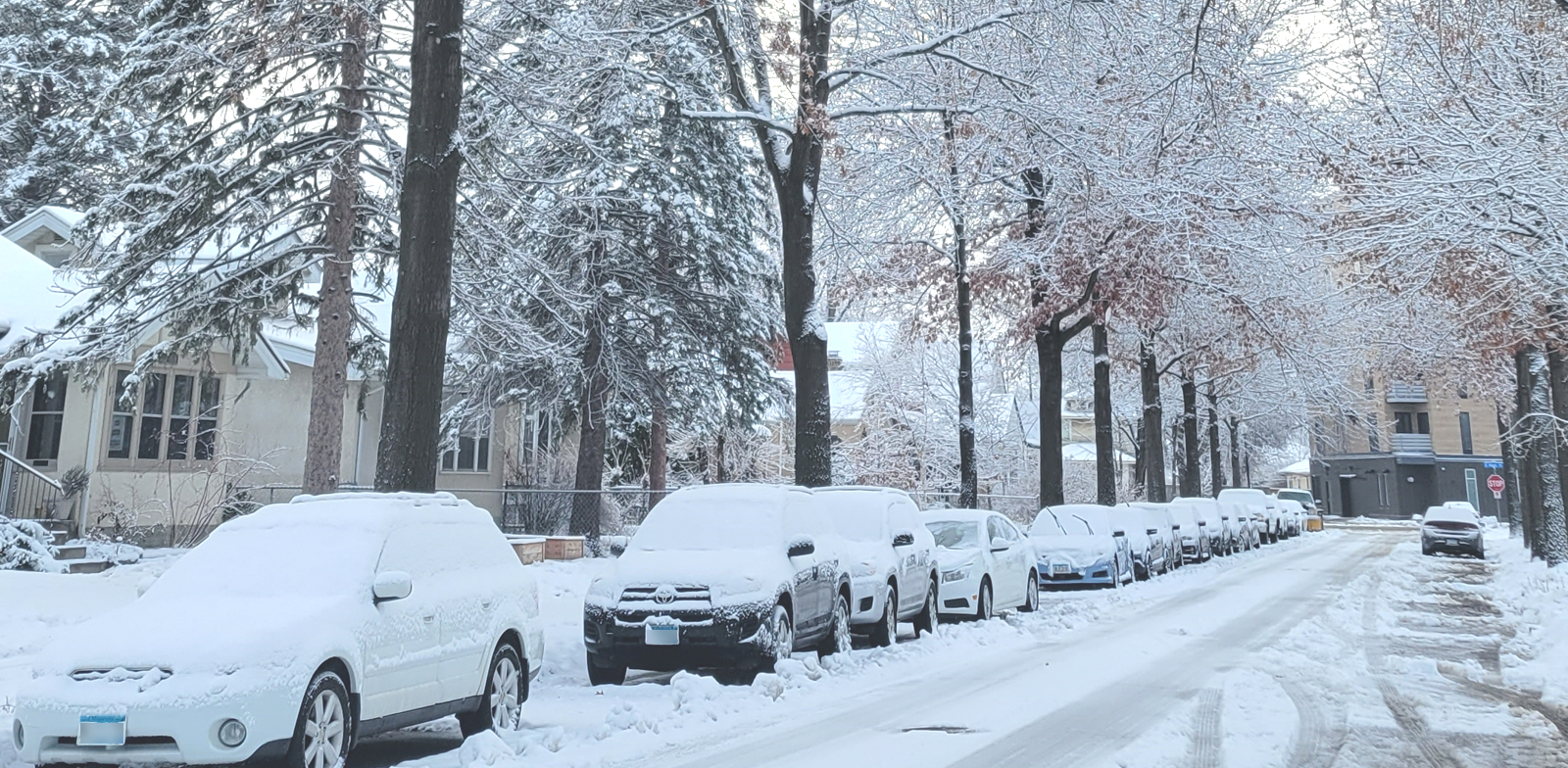
A brief cellphone recording, filmed on a snow-dusted residential street in Minneapolis, captures a confrontation that unfolded in under a minute and ended with fatal consequences. The roughly 47-second video, first published by a national news outlet, is among the clearest visual records released so far from a deadly encounter connected to an U.S. Immigration and Customs Enforcement operation.
Shot from the perspective of a federal agent wearing a body camera, the footage documents a rapidly escalating exchange involving a maroon Honda Pilot, multiple bystanders, and competing commands.
What the Video Shows
The clip opens with the camera focused on the SUV parked along a quiet residential street lined with older homes, bare trees, and patches of snow. The agent approaches slowly, centering the frame on the vehicle’s windshield and hood. A dog is visible inside. In the driver’s seat is Renee Good, later identified by authorities and family members. She appears calm, smiling briefly and gesturing with her hands as she looks toward the agent.
As the agent walks toward the rear of the vehicle, Good speaks in a steady tone, telling him she is not angry. Another woman, standing behind the SUV and recording on her phone, addresses the agent with sarcasm. The body-camera footage briefly zooms in on the vehicle’s rear—its license plate, model badge, and bumper stickers—before the scene shifts again.
Moments later, the camera pans up the street, capturing additional bystanders and a dark gray sedan. From that direction, another agent can be heard shouting commands to exit the vehicle. The view abruptly returns to the Honda Pilot. As the confrontation intensifies and the woman outside moves closer to the driver’s door, the SUV begins to move. A loud impact is heard, followed by gunshots. The video ends with disjointed images of the street ahead and the vehicle after the encounter.
Family and Community Response
In the days that followed, Good’s wife, Becca Good, released a public statement describing her as a 37-year-old poet and mother whose life was guided by compassion and faith. She said those values were what led the couple to stop near the ICE operation on January 7, explaining, “We had whistles. They had guns.”
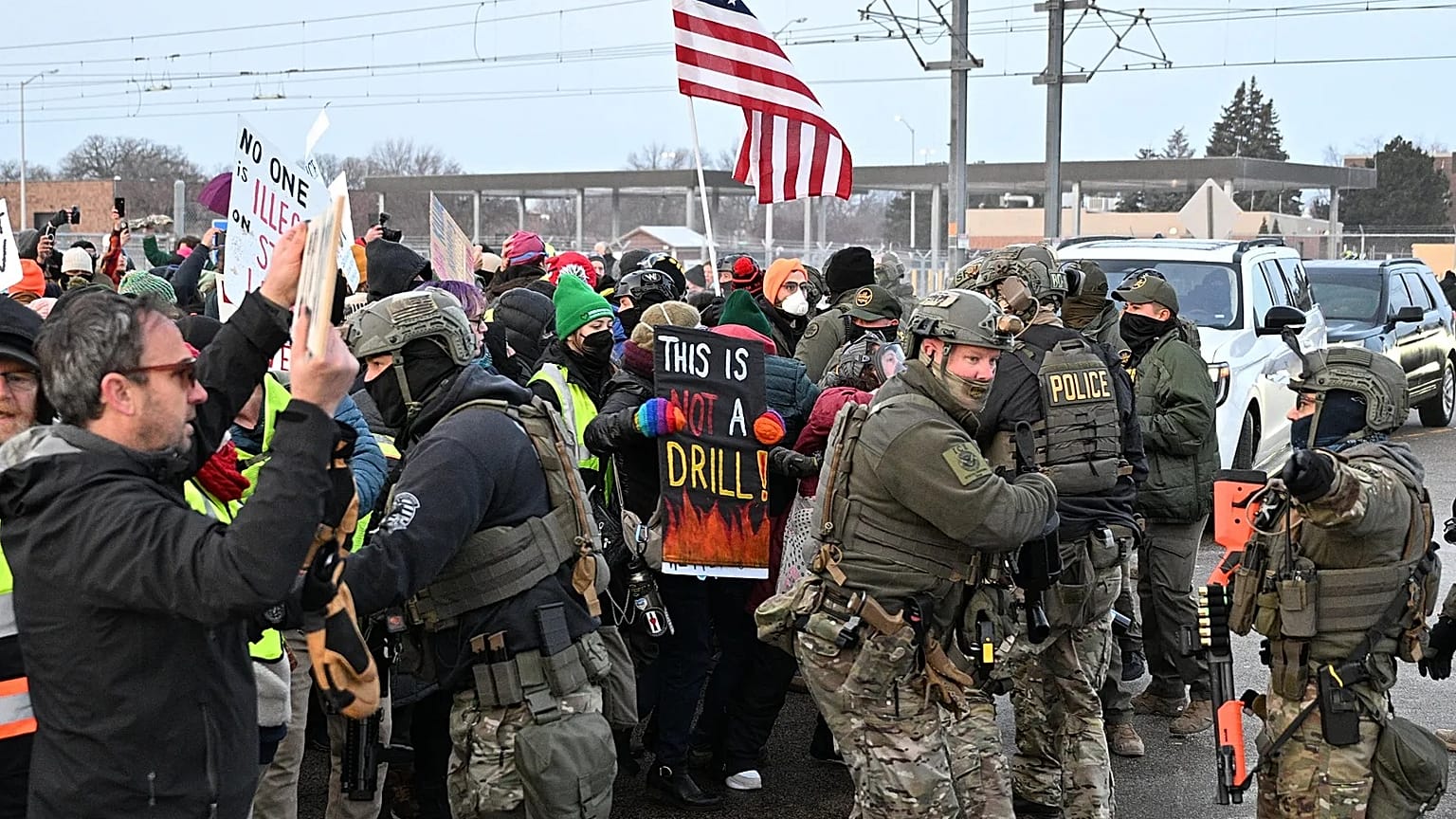
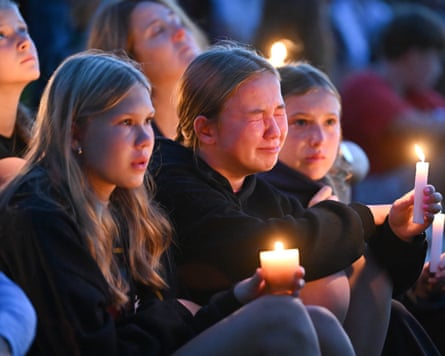
Community members held vigils in Good’s honor, rejecting the federal characterization of her actions. Speakers described her as peaceful and motivated by concern for her neighbors, not confrontation.
Federal Account
Federal officials offered a sharply different version of events. Kristi Noem, speaking on behalf of the Department of Homeland Security, said agents were attempting to free a government vehicle stuck in the snow when they were surrounded by what she described as agitators. According to DHS, Good refused repeated commands to exit her vehicle and then “weaponized” it, attempting to strike an officer.
Noem stated the agent fired in self-defense and followed training protocols, later describing the incident as an act of domestic terrorism. DHS officials also cited prior vehicle-related incidents involving federal officers and noted that the agent involved had previously been injured during an anti-ICE protest.
Donald Trump echoed that account in a social media post, calling the shooting “horrible” but asserting that video evidence showed deliberate, violent conduct by the driver.
City Leaders Push Back
Minneapolis Mayor Jacob Frey forcefully rejected the federal narrative, calling the self-defense claim “garbage” and accusing ICE of creating chaos rather than safety. He demanded that federal immigration agents leave the city.
Former FBI agent and legal analyst Josh Campbell reviewed bystander footage and said it appeared the vehicle’s front wheels were turned in a way consistent with attempting to leave the scene rather than strike an officer.
An Unresolved Record
As investigations continue, the 47-second recording has become both evidence and flashpoint. Federal officials, city leaders, and community members are interpreting the same moments in fundamentally different ways. What remains undisputed is how quickly the encounter escalated—and how decisively it ended.
The footage does not settle the questions surrounding intent, threat, or proportional response. Instead, it stands as a stark record of how authority, movement, and fear converged on a winter street in south Minneapolis, leaving a death that continues to reverberate far beyond the block where it occurred.
 My Neighbor Refused to Pay My 73-Year-Old Mother for Babysitting, Saying She Was 'Just Sitting at Home Anyway' – So I Stepped In
 Donald Trump Urged To Invade UK Next As Top Five Countries At Risk Of US Takeover Revealed
 Pam Bondi Facing Impeachment After Top Republican Sides With Democrat…
 Dem Senator Killed In Motor Vehicle Accident Over Thanksgiving
 The Little Key That Held a Thousand Adventures
 Shadows Around Ilhan Omar