The world is saying goodbye to one of the quiet architects of childhood magic.
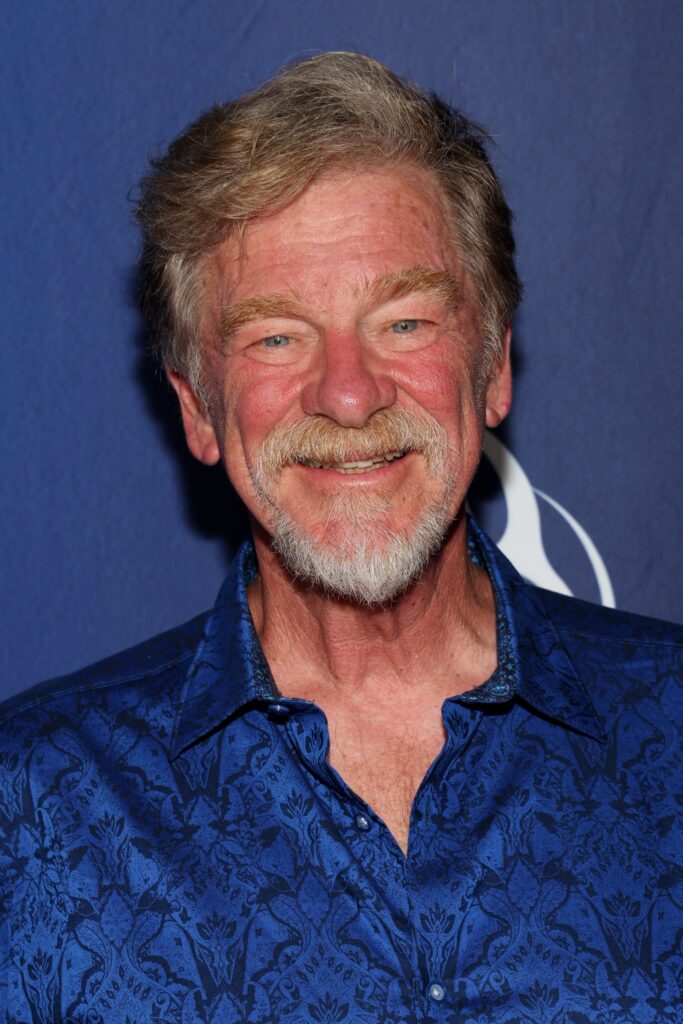
Roger Allers, the visionary filmmaker and animator whose work helped define a golden era of animation, has passed away at the age of 76. Disney confirmed that Allers died suddenly at his home in Santa Monica following a brief illness, leaving behind a legacy that shaped generations of storytellers and moviegoers alike.
For many people, his work is inseparable from memory itself. Long before audiences understood who directed or animated their favorite films, they felt the emotional weight of his storytelling. Allers was best known for co-directing The Lion King alongside Rob Minkoff, a film that became far more than a box office success. Released in 1994, it earned nearly $1 billion during its original theatrical run, became the highest-grossing film of that year, and still holds the record as the highest-grossing traditionally animated movie ever made. With more than 55 million home video copies sold worldwide, it embedded itself permanently into global pop culture.
But Allers’ journey into animation began long before lions ruled the Pride Lands. Born on June 29, 1949, in Rye, New York, he discovered his love for animation early and went on to study fine arts at Arizona State University. That foundation led him into Disney during a period when animation was reinventing itself, and Allers quickly became part of the creative force behind some of the studio’s most iconic films.
Before The Lion King, his influence could be felt across classics such as Aladdin, Beauty and the Beast, The Little Mermaid, Oliver & Company, and The Rescuers Down Under. He also contributed to the groundbreaking 1982 film Tron, which pushed technological boundaries and helped usher CGI into mainstream filmmaking.
His relationship with The Lion King didn’t end with the animated feature. Allers later adapted the story for Broadway alongside Irene Mecchi, earning a Tony nomination in 1998 for Best Book of a Musical. The stage version went on to become one of the most successful musicals of all time, further cementing the story’s place in cultural history.
Allers’ creativity extended far beyond Disney. He co-directed Open Season for Sony Pictures in 2006 and later wrote and directed the animated adaptation of Kahlil Gibran’s The Prophet in 2015. That same year, his short film The Little Matchgirl earned an Academy Award nomination, a reminder that his storytelling instincts worked just as powerfully on an intimate scale as they did in epic narratives.
Throughout his career, he also contributed to projects as varied as Watership Down, The Bugs Bunny/Road-Runner Movie, Return to Never Land, Ted, Ted 2, and Back to the Jurassic, demonstrating a rare versatility across genres and generations.
Disney CEO Bob Iger honored Allers with a heartfelt tribute, describing him as “a creative visionary whose many contributions to Disney will live on for generations to come.” Iger praised his deep understanding of storytelling, noting how Allers knew how to weave character, emotion, and music into something timeless that continues to inspire audiences worldwide.
Lion King producer Don Hahn echoed that sentiment, calling Allers “the rarest of people,” someone endlessly curious, playful, and profoundly human. He described Allers as a storyteller who helped others see more clearly, reminding them of the wonder hidden in everyday life.
Roger Allers is survived by his children, Leah and Aidan, and his partner, Genaro. While his passing marks the end of a remarkable life, his work remains alive—in the music that still gives people chills, in characters that feel like old friends, and in stories that continue to teach new generations about love, loss, courage, and hope.
For millions around the world, his magic will never fade.
More From Daily Positive
 Breast Cancer Awareness: Four Early Warning Signs Every Woman Should Recognize, From Unusual Lumps and Changes in Breast Shape to Swelling in the Armpit and Persistent Pain — Understanding These Symptoms Early Can Save Lives Through Timely Detection and Proper Medical Evaluation
 Tim Walz Scrambles With Damage Control After Viral ‘Ghost’ Daycare Video
 If a Man Doesn’t Appreciate You, Here’s What You Should Do
 NBA Game in London Sees Crowd Moment During National Anthem
 My Mother Disowned Me for Marrying a Single Mom – She Laughed at My Life, Then Broke Down When She Saw It Three Years Later
 My Wealthy Neighbor Made a 90-Year-Old Woman Pay for His Lawn Care for Months – I Felt Sorry for Her, So I Decided to Teach Him a Lesson