A neighbor who lived in the same building as Alex Pretti has spoken publicly about the 37-year-old ICU nurse, describing him as a “wonderful person” with a “great heart,” as sharply conflicting narratives continue to circulate online and among political leaders following his death.
Alex Pretti was shot and killed by federal immigration agents on Saturday, January 24, in an incident that has drawn national attention. Video footage shared widely on social media appears to show Pretti being pepper-sprayed, restrained, and forced to the ground before he was shot multiple times. His death came less than a month after another fatal ICE-involved shooting in Minneapolis, the killing of Renee Good, further heightening tensions across Minnesota and beyond.
As with the earlier incident, the official narrative from the Department of Homeland Security and the Trump administration has framed Pretti as a threat to federal agents. DHS officials stated that he approached officers while armed and interfered with their enforcement activities. However, that account has been challenged by video evidence, eyewitness statements, and Pretti’s family.
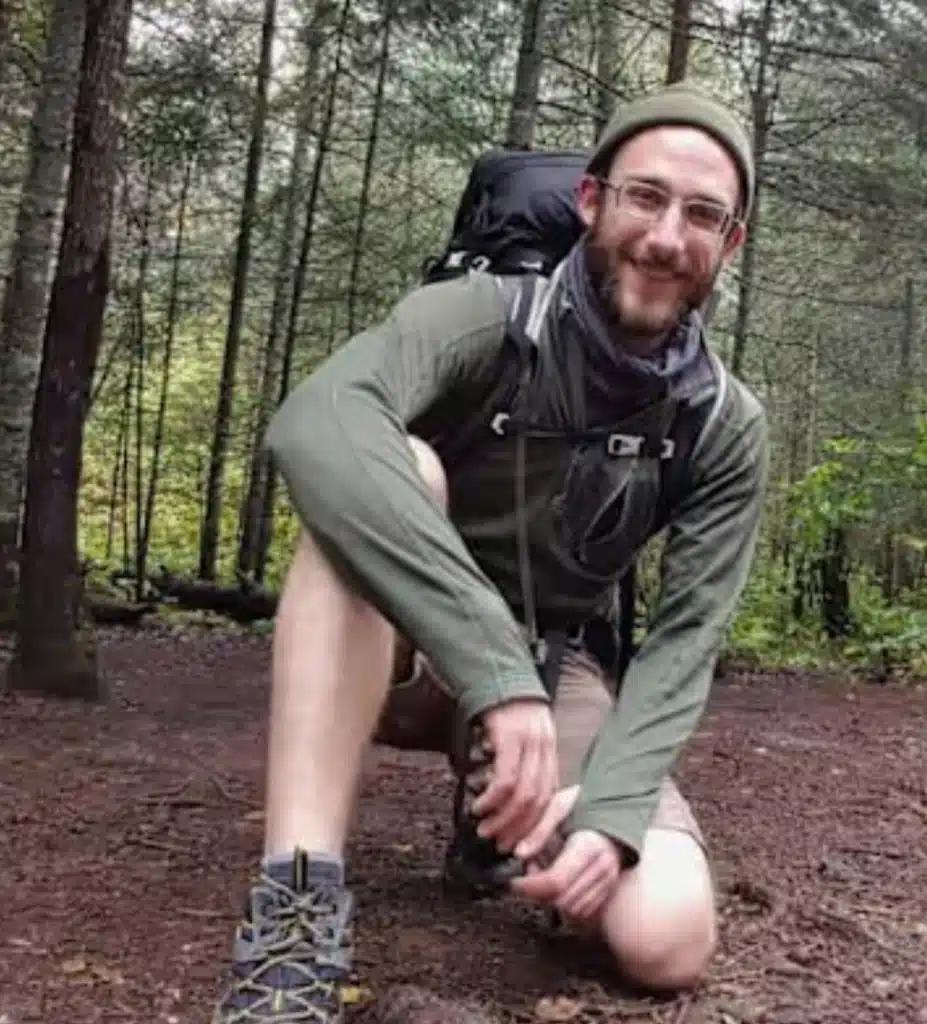
It has since been reported that Pretti was legally carrying a firearm and had a permit to do so. Witnesses and video footage suggest that the gun may have been removed by agents before he was shot, raising questions about whether he posed an immediate danger at the time lethal force was used.
Pretti’s father, Michael Pretti, said his son was deeply motivated by concern for others and by what he saw happening in Minneapolis during recent immigration operations.
“He cared about people deeply and he was very upset with what was happening in Minneapolis and throughout the United States with ICE, as millions of other people are upset,” his father said. “He thought it was terrible, you know, kidnapping children, just grabbing people off the street. He cared about those people, and he knew it was wrong, so he did participate in protests.”
After administration officials publicly suggested that Pretti had attacked or threatened officers, the family issued a strongly worded statement expressing anger and disbelief at those claims.
“The sickening lies told about our son by the administration are reprehensible and disgusting,” the statement said. The family emphasized that videos show Pretti was not holding a gun when he was tackled by agents. Instead, they say he was holding his phone in one hand while using the other to shield a woman who was being pepper-sprayed.
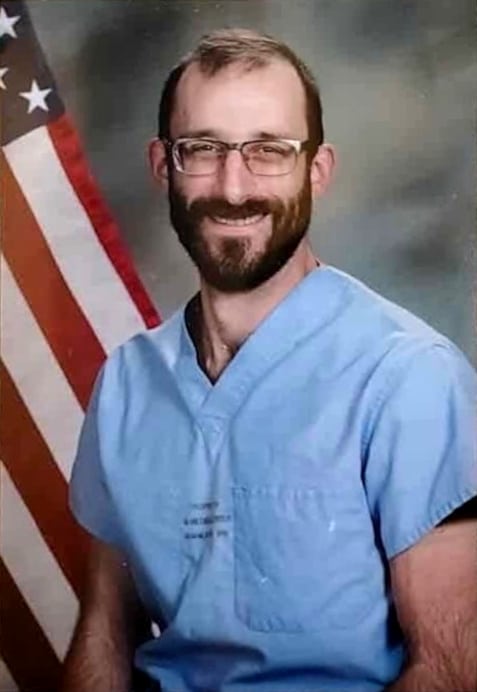
“Please get the truth out about our son,” the statement continued. “He was a good man.”
Pretti was a U.S. citizen, born in Illinois, and had no criminal record. According to reports, he lived roughly two miles from where the shooting occurred.
One of his neighbors, Sue Gitar, who lived in the apartment directly below him, said Pretti moved into the building about three years ago and quickly made a positive impression.
“He’s a wonderful person,” Gitar said. “He has a great heart.”
She described him as someone neighbors could rely on, whether it was keeping an eye out for suspicious activity or helping someone who needed assistance. According to Gitar, Pretti was known in the building as attentive, caring, and community-minded.
Although some neighbors were aware that Pretti owned firearms, Gitar said the idea that he would carry a gun into a street protest was surprising to those who knew him.
“I never thought of him as a person who carried a gun,” she said.
As investigations continue and officials urge patience, Pretti’s death has become another flashpoint in the broader debate over federal immigration enforcement, protest policing, and use of force. For those who lived alongside him, however, the public arguments and political framing contrast sharply with their memories of a neighbor they describe as compassionate, helpful, and deeply concerned about the well-being of others.
More From Daily Positive
 Border Patrol chief praises agents who killed Alex Pretti and offers surprising theory
 Body language expert tells people “pay very close attention” to man in gray jacket after Alex Pretti shooting
 ‘Magic’ button defrosts car windshield in seconds – and some drivers had no idea
 Melania Trump Absent for Over 20 Days — Expert Weighs In on the Reason
 Found: Training Materials, Communications Gear for Anti-ICE Protesters
 Expert reveals detail about Alex Pretti’s gun that offers possible clue why Border Patrol agent shot him