There are movie stars, and then there are cultural forces who seem to exist on a different level entirely. Johnny Depp belongs firmly in the second category. Twice named Sexiest Man Alive, one of the most recognizable faces on the planet, and the actor behind some of the most iconic characters in modern cinema—his rise to superstardom looks glamorous from the outside. But the man behind the roles grew up in a home where safety didn’t exist.
Born in a small town in Kentucky as the youngest of four children, Depp was raised by a waitress mother and a civil engineer father. His childhood was marked by constant upheaval, with the family moving frequently before finally settling in Miramar, Florida, in 1970. Inside the house, however, stability never arrived.
“There was physical abuse, certainly, which could be in the form of an ashtray being flung at you… or you get beat with a high-heeled shoe or telephone—whatever was handy,” Depp once said. “So in our house, we were never exposed to any type of safety or security.”
He explained that while the physical pain eventually became something he learned to endure, the emotional damage cut deeper. “The verbal abuse, the psychological abuse, was almost worse than the beatings… The physical pain, you learn to accept it.”
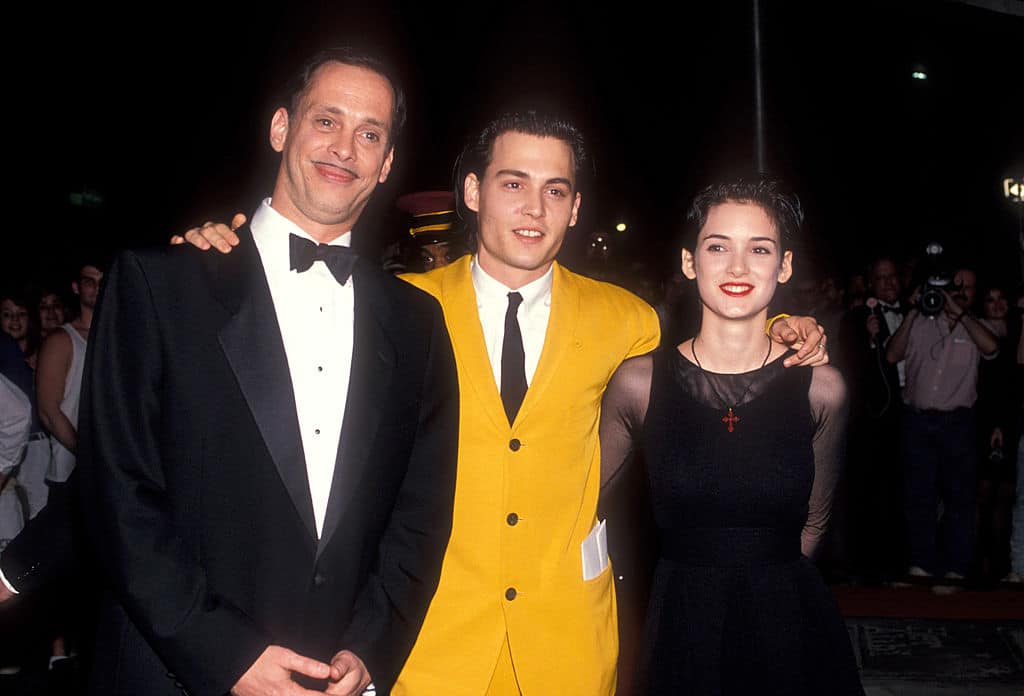
Depp has been open about the fact that the abuse came from his mother, Betty Sue Palmer. His memories of his father, by contrast, are filled with quiet endurance. “When my mother would go off on a tangent toward my father… he remained very stoic,” Depp recalled. “He stood there and just looked at her while she delivered the pain, and he swallowed it.”
As a child, Depp couldn’t understand why his father stayed. Years later, he came to see that restraint as strength. “He is a good man,” Depp said, remembering the composure his father maintained even when things escalated to the point of punching a wall—once breaking his own hand—without ever striking back.
The marriage ended when Depp was a teenager. His father eventually left, admitting he could no longer endure the chaos. At the time, Depp saw it as abandonment. Only later did he understand it as survival.
After the divorce, his mother’s struggles intensified. She slipped into deep depression and attempted suicide by overdosing on pills. Though she survived, she was never the same. “She lived on the couch and weighed about 70 pounds,” Depp recalled. The environment became even more unstable—and it was there that his own substance abuse began.
Depp has said he started taking his mother’s “nerve pills” at age 11, smoking by 12, and experimenting with drugs by 14. “It was the only way that I found to numb the pain,” he later testified. Looking back, he said something striking about his upbringing: “I thank her for that… She taught me how not to raise kids. Just do the exact opposite of what she did.”
After dropping out of high school in 1979, Depp joined a band called The Kids and moved to Los Angeles. Acting wasn’t the plan. “I ended up acting by accident,” he admitted. A suggestion from his friend Nicolas Cage led to auditions, and eventually to his film debut in A Nightmare on Elm Street.
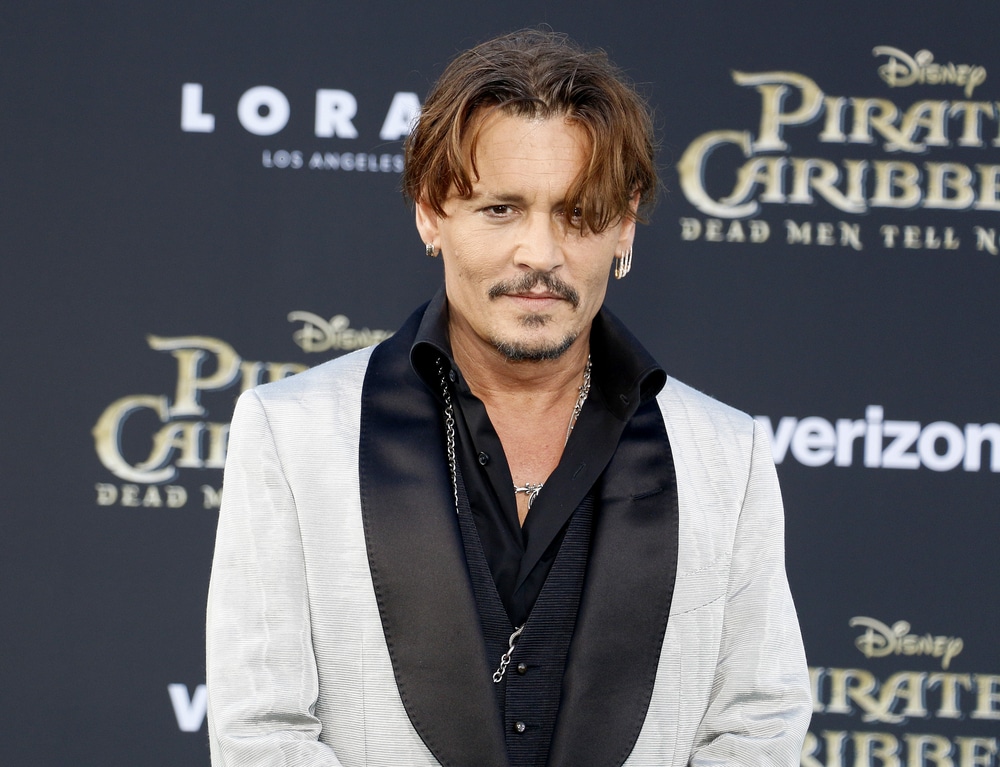
By the 1990s, Depp had become a teenage heartthrob—but one who actively rejected the typical Hollywood mold. He gravitated toward unconventional roles and collaborators, building a reputation as an actor who valued art over image. That path ultimately led to global superstardom with his portrayal of Captain Jack Sparrow in Pirates of the Caribbean, earning multiple Academy Award nominations and cementing his legacy.
While his career soared, his personal life evolved more quietly. After an early marriage to makeup artist Lori Anne Allison ended, Depp had high-profile relationships with Winona Ryder and Jennifer Grey before building a long-term life with Vanessa Paradis, with whom he shares two children.
Fatherhood changed everything for him. “When Vanessa got pregnant, I knew exactly how to raise children,” he said. “Which was to do the opposite of what Betty Sue did.” Depp has emphasized that he and Paradis never raised their voices around their children, choosing conversation over fear. “Saying no is abrupt,” he explained. “I wanted to show them there were options.”
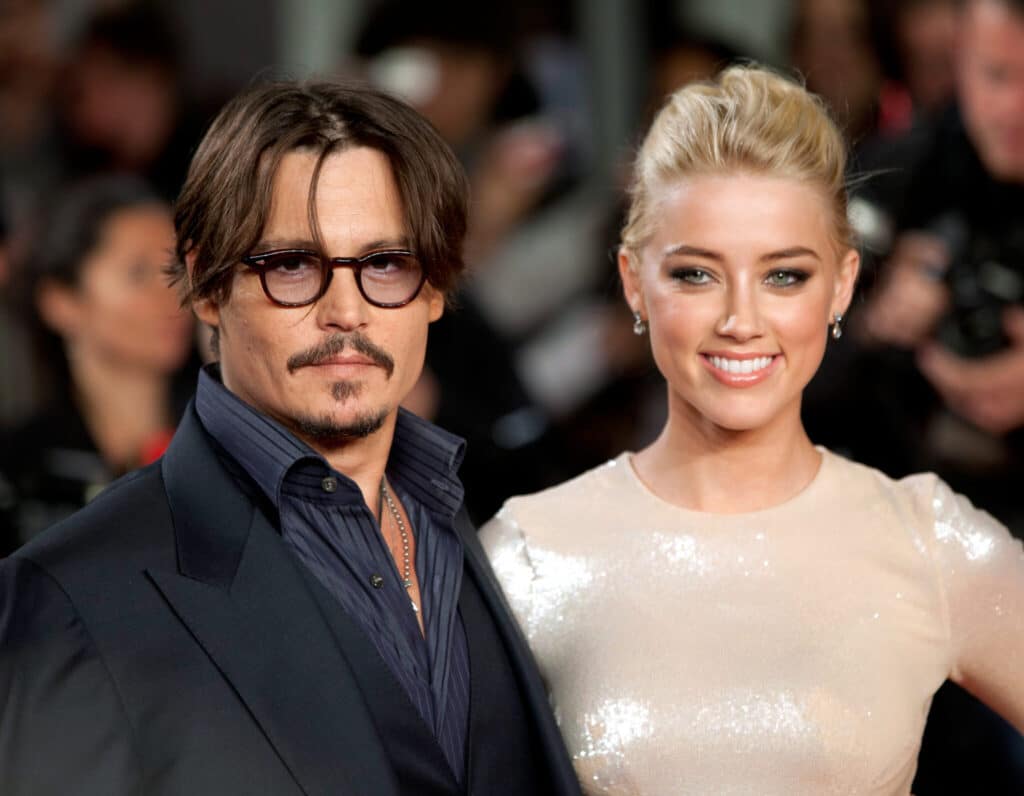
After his split from Paradis, Depp’s relationship with Amber Heard became one of the most scrutinized and legally complex celebrity stories of the 2020s. The defamation trial that followed brought his childhood trauma and substance struggles into public view. Reflecting later, Depp said, “If you’re just speaking the truth? Roll the dice.”
Today, Depp lives largely away from Hollywood, reportedly renting a secluded estate in the English countryside. He continues to work steadily, with upcoming projects including Day Drinker alongside Penélope Cruz, a new take on A Christmas Carol, and ongoing discussions about a possible return to Pirates of the Caribbean.
For all the fame, reinvention, and controversy, one thread runs consistently through Johnny Depp’s story: a determination to break cycles rather than repeat them. The boy who never felt safe grew into a man who tried, above all else, to make sure his own children always did.
More From Daily Positive
 Mexican president states that Trump is not..
 How Colors Affect Your Skin and Make You Look More Radiant After 50
 My Homeless Sister Moved In And Used My Dying Husband As Her Free Babysitter
 I Adopted a Girl with Eyes Like My Late Husband's – a Year Later, I Found a Photo in Her Bag That Made My Blood Run Cold
 My Fiancé's Parents Rejected Me for Being Plus-Sized – Months Later, They Showed Up Begging Me to Take Him Back
 I Booked a $3,000 Hotel for Valentine's Day, but My Boyfriend Didn't Pay Me Back His Share and Dumped Me – Karma Hit Him Three Times Harder