Trading Places stands out as one of the most iconic comedies of the 1980s, blending razor-sharp humor with a satirical take on class, greed, and human nature. With Eddie Murphy, Dan Aykroyd, and Jamie Lee Curtis at the helm, the film became an instant classic. Even decades later, its charm, wit, and enduring message continue to resonate with audiences.
Murphy and Aykroyd’s dynamic pairing, along with Curtis’s breakout performance, was a rare cinematic alignment that delivered both hilarity and heart. The film’s premise—a social experiment conducted by two wealthy and eccentric brothers, Randolph and Mortimer Duke—explored the age-old nature versus nurture debate. They upend the lives of a privileged commodities broker, Louis Winthorpe III (Aykroyd), and a fast-talking street hustler, Billy Ray Valentine (Murphy), switching their fortunes and watching the chaos unfold. The two victims eventually team up with Ophelia (Curtis) to turn the tables on the scheming Dukes.
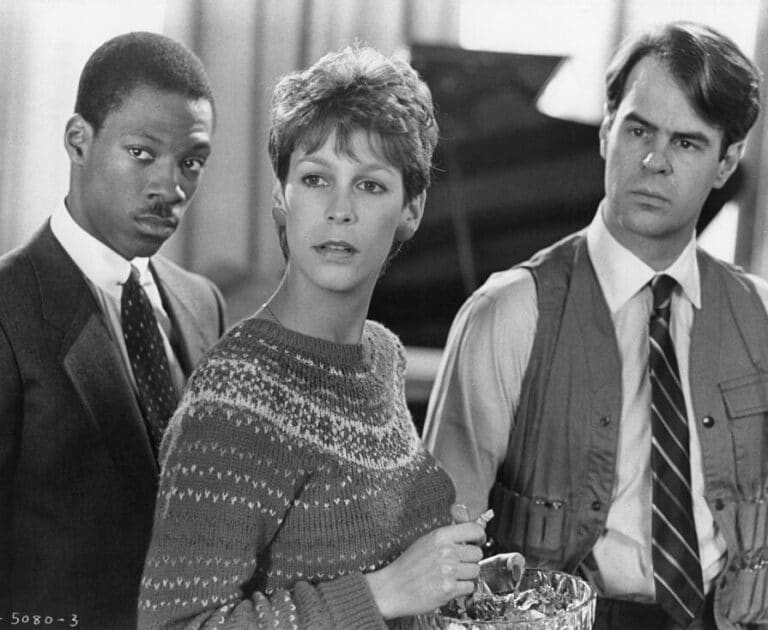
The screenplay’s origins were as colorful as the film itself. Inspired by a pair of competitive brothers Harris met on the tennis court, the idea transformed into a biting commentary on privilege and power. Originally intended for Richard Pryor and Gene Wilder, the roles eventually went to Murphy and Aykroyd, with Murphy’s then-rising stardom and comedic genius bringing a fresh energy to the project.

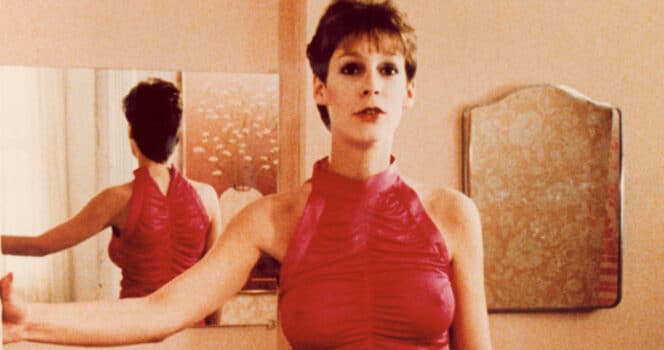
Curtis’s casting as Ophelia was another stroke of genius. Known primarily for her scream-queen roles, Curtis seized the opportunity to break out of typecasting, thanks to director John Landis’s insistence. Despite initial resistance from the studio, Curtis’s memorable performance and undeniable charm silenced skeptics. However, her role came with challenges, including a topless scene that she later admitted left her feeling vulnerable. Still, it marked a turning point in her career, cementing her status as a versatile and talented actress.

Behind the scenes, the film was full of surprises, from Murphy’s improvised lines to unintentional bloopers that added to its charm. Don Ameche, cast as Mortimer Duke, had taken a 13-year hiatus from acting before the film, while Murphy, relatively new to Hollywood, was still riding the wave of his breakout success in 48 Hours. The chemistry between the cast members was palpable, even though some were initially unfamiliar with each other’s work.
The film’s legacy extends beyond its comedy. It inspired the “Eddie Murphy Rule,” a provision in the Wall Street Transparency and Accountability Act, addressing market manipulation similar to the Dukes’ underhanded tactics. Such a real-world connection underscores the film’s ability to blend humor with biting social commentary.
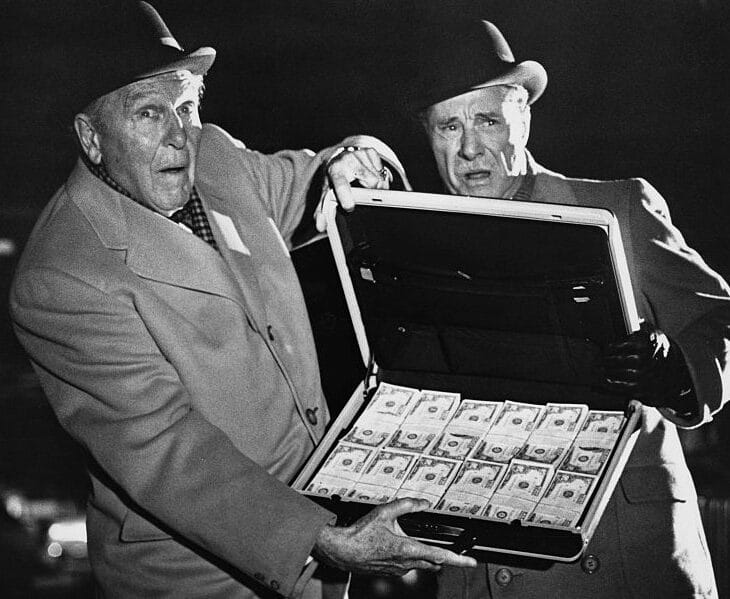
Adding to the layers of the film are small, memorable details, like callbacks to The Blues Brothers and clever nods to the cultural backdrop of its Philadelphia setting. Its humor, rooted in the 1980s, feels timeless, as do its messages about class and judgment. Even continuity errors—like shifting weather conditions in Philadelphia or a reversed shot of Mortimer signing checks—add a quirky charm.

Trading Places also celebrated a unique sense of style, most notably Curtis’s character’s Austrian-Swedish accent mix-up, and her wardrobe mishap involving pantyhose continuity. These quirks only add to the film’s enduring appeal.
Even after nearly 40 years, Trading Places remains a comedy masterpiece. Its mix of unforgettable performances, sharp writing, and social critique makes it as relevant and entertaining today as it was upon release. With its enduring legacy, the film is a nostalgic reminder of a time when comedies were daring, smart, and truly one of a kind.
More From Daily Positive
 Ivanka Trump faces backlash for Audrey Hepburn-inspired ball gown
 Lip reader reveals Donald & Melania’s unexpected chat at the inaugural ball
 Lip reader decodes chat between Barron Trump and Joe Biden
 Barron Trump Seen As ‘True
 Ramaswamy Out At DOGE As Rumors Swirl About Political Future
 The real reason why Melania Trump wore the inauguration hat. It has an incredible back story