She grew up inside a storm she never asked for — a childhood shaped by instability, relentless pressure, and a spotlight far too bright for someone so young. Long before she became one of Hollywood’s most luminous stars, she was a little girl pushed past her limits, controlled, criticized, overworked, and given pills just to keep performing.
Behind the sequins, the studio lights, and the enchanting roles was a child fighting exhaustion, insecurity, and a system that valued profit more than protection. Understanding her early years reveals not just the origins of her extraordinary talent, but the machinery of old Hollywood that carved her into an icon while wounding her in ways that lasted a lifetime.
Born in Minnesota, she stepped onto a stage before she was even three. Her home life, however, was filled with turmoil. Her mother had reportedly tried to end the pregnancy, and rumors about her father’s secret relationships with teenage boys and young men followed the family from town to town. In 1926, they moved quietly to Lancaster, California, hoping to escape the whispers.
Her parents — both vaudeville performers — lived in a marriage marked by constant breakups and reconciliations. She remembered the fear of their separations vividly. Even as a young child, she was taken into nightclubs to perform for adult audiences, a setting wildly inappropriate for someone so small.
Her mother, described by the star herself as a jealous and domineering stage mother, tightly controlled every aspect of her early career. Biographers later revealed that she was given pills to stay awake and others to fall asleep — a pattern that would haunt her for decades. In 1963, she said, “The only time I felt wanted when I was a kid was when I was on stage, performing.”
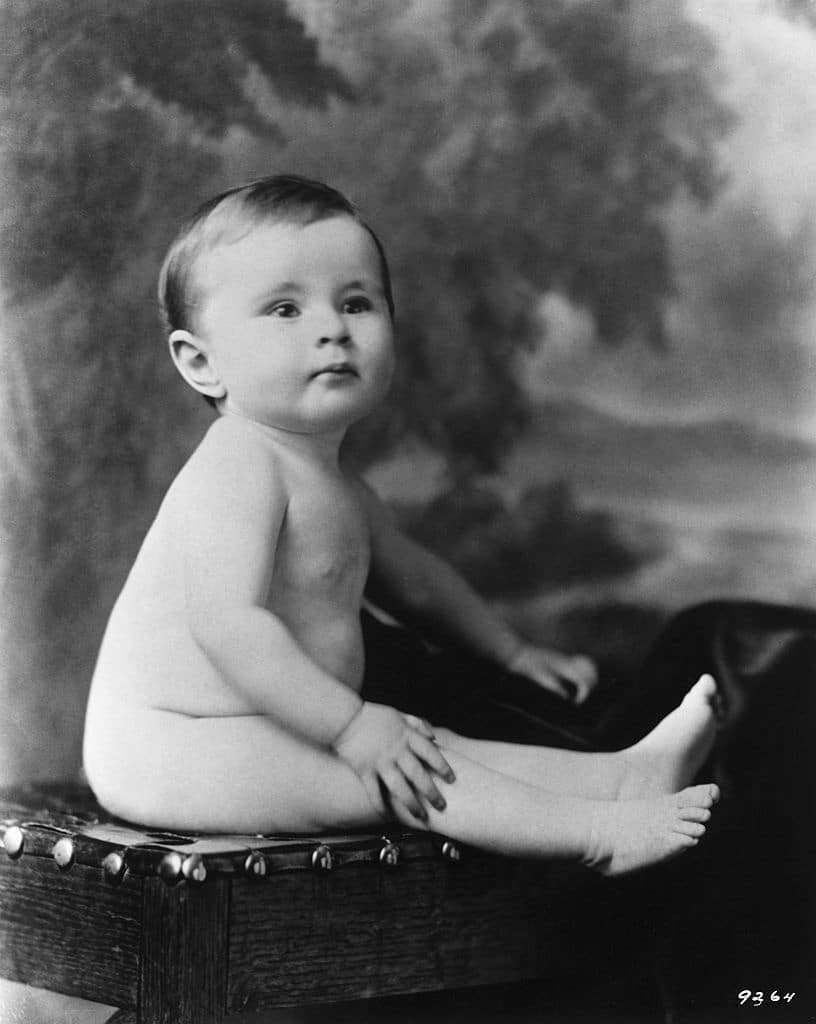
Her later interview with Barbara Walters was even more blunt. She called her mother “mean” and recalled being threatened backstage: “You get out and sing, or I’ll wrap you around the bedpost and break you off short.” She later claimed her mother had tried to induce a miscarriage during pregnancy, adding dark humor to mask the pain: “She must have rolled down nineteen thousand flights of stairs.”
By 1935, MGM signed the young performer. Two years later, audiences finally saw her on screen, and her star began its rapid ascent. But even as her career blossomed, the studio fed her insecurities. Louis B. Mayer reportedly called her “my little hunchback,” and she was placed on strict diets of cottage cheese, chicken broth, and amphetamine-laced pills to keep her weight down.
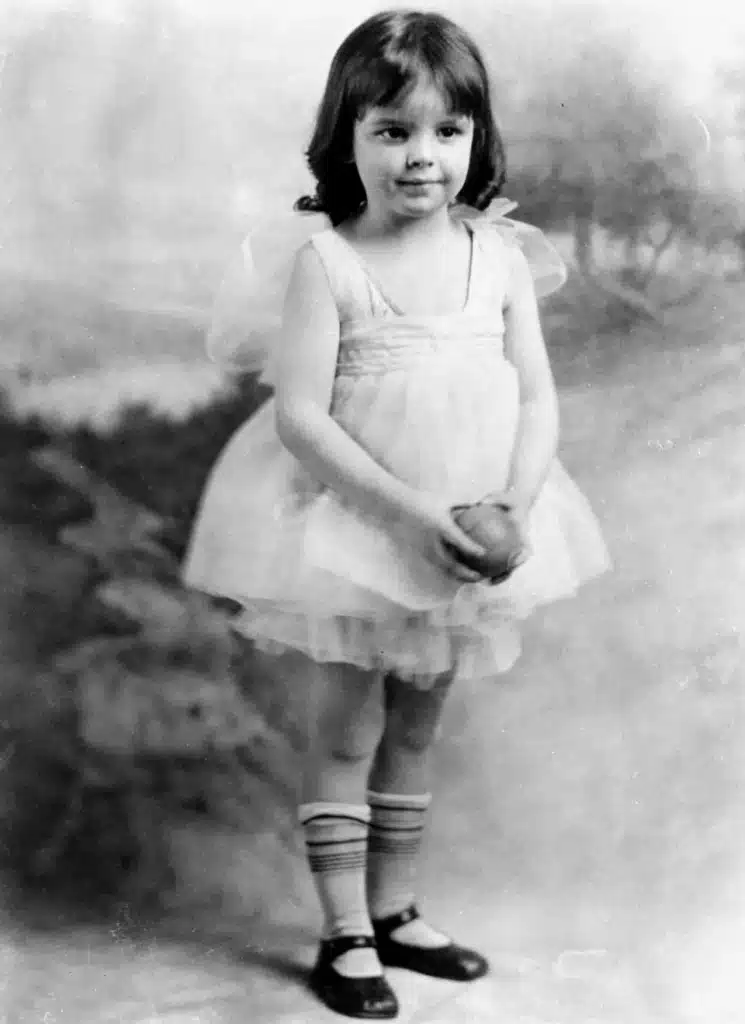
The work was constant — rehearsing one film while shooting another, overlapping schedules that never let her rest. When MGM loaned her to Fox for Pigskin Parade, her performance was so striking that her home studio finally began giving her substantial roles. But tragedy struck when her father died of spinal meningitis. Heartbroken, she continued working.
Film after film followed. She and Mickey Rooney became a box-office duo, but the grueling production schedules left her increasingly dependent on pills to stay awake, sleep, or simply endure the pressure.
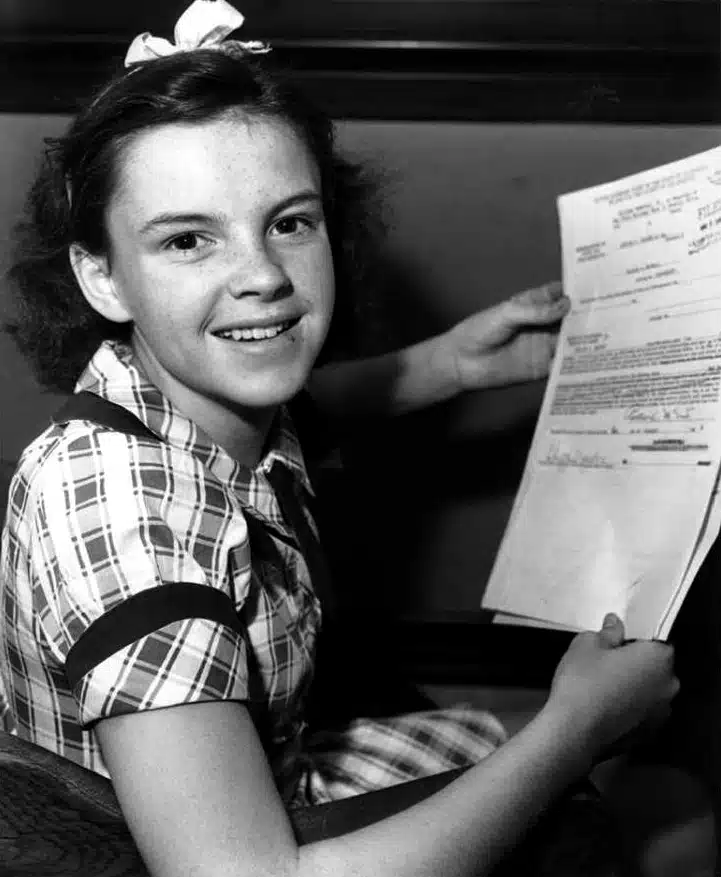
Then came 1939 — the role that changed everything. The Wizard of Oz made her a legend in ruby slippers, even though the production’s massive costs nearly made it a studio gamble.
The world finally knew her name: Judy Garland.
She continued her rise with films like Meet Me in St. Louis and Easter Parade, and later delivered another unforgettable performance in the 1954 classic A Star Is Born. Despite her brilliance, she identified more with the broken Norman Maine than the hopeful Vicki Lester. By her early 30s, she had already lived a lifetime of highs and devastating lows.
In 1968 she joked, “I’m the queen of the comeback… I’m getting tired of coming back.” It was a line both humorous and heartbreakingly honest.
Her final comeback never arrived. On June 22, 1969, Judy Garland was found dead in her London apartment at just 47. An autopsy concluded she’d taken a fatal dose of barbiturates, an accidental overdose after years of dependency. Coroner Gavin Thurston stated she was “accustomed” to such drugs and had simply taken more than her body could handle.
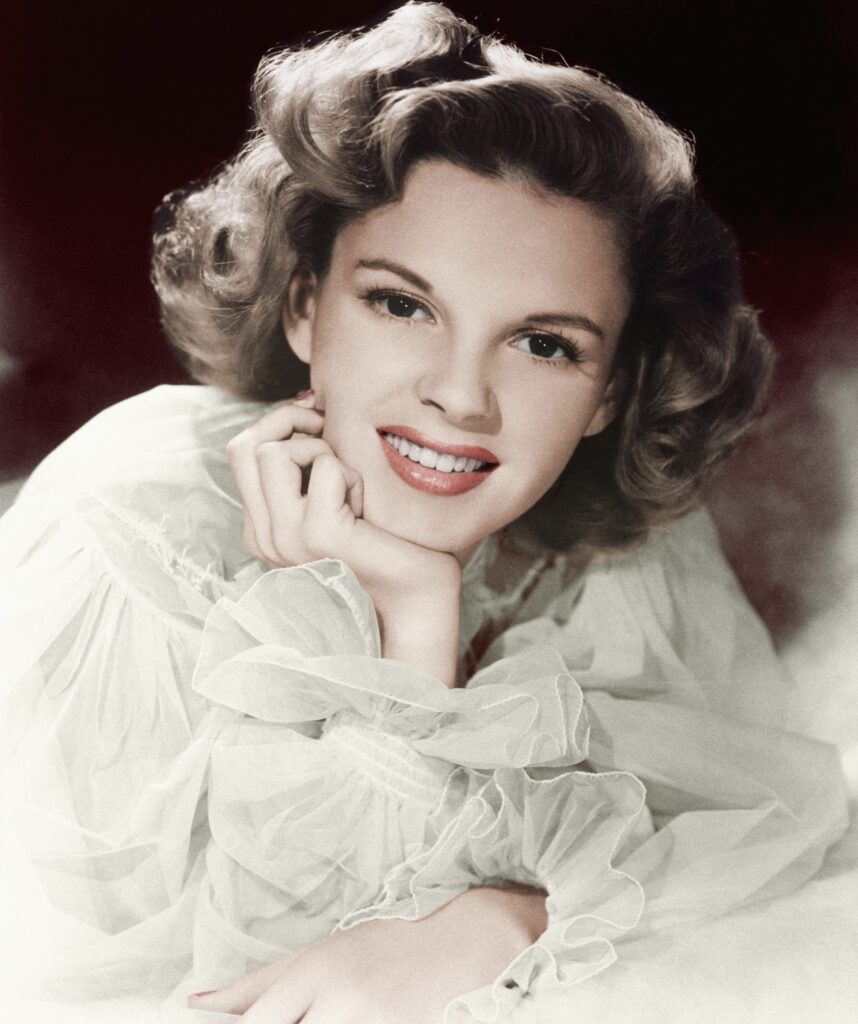
Her struggles with depression, addiction, and self-worth were well known. She had attempted suicide multiple times, and her third husband believed the number exceeded twenty attempts. Despite her acclaim, she had been made to feel like an “ugly duckling,” a label executives repeated so often that it became part of her internal landscape.
Even those who loved her spoke honestly. One former agent called her “a demented, demanding, supremely talented drug-addict.” Yet others described her as astonishingly brave, hysterically funny, and endlessly warm. Her daughter Lorna summed it up best: “We all have tragedies in our lives, but that does not make us tragic.”
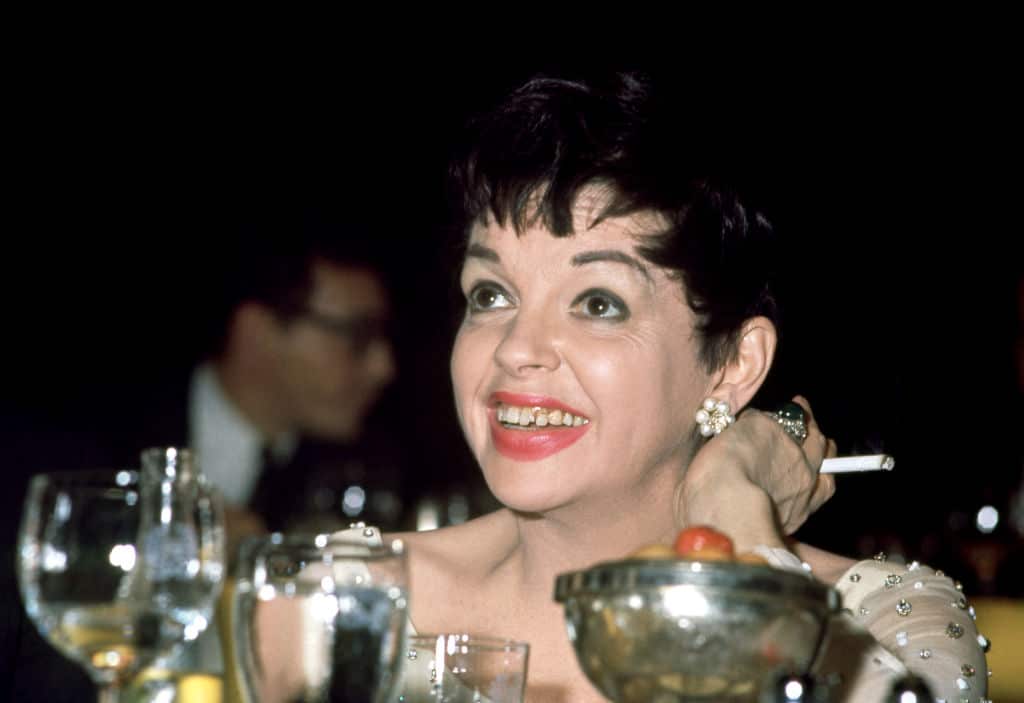
Judy Garland was radiant, flawed, brilliant, wounded, and unforgettable. Her story is painful, but it is also profoundly human — the journey of a woman who kept singing even when the world around her felt like it was falling apart.
I’ve always loved The Wizard of Oz and Judy as Dorothy — her voice remains one of the most beautiful the world has ever heard. She endured more than most people ever knew. May she rest gently now, somewhere far beyond the rainbow. 🌈🕊
