Cyd Charisse could seemingly do everything — sing, act, and move in a way that made dance look like a language only she truly understood. And her legs became the stuff of Hollywood legend, symbolizing not just beauty, but strength, control, and artistry.
On screen, she shimmered with grace and elegance, a Texas-born star who came to embody the golden age of the movie musical. But behind the glamour was a story marked by illness, discipline, reinvention, and, later in life, tragedy.
She entered the world as Tula Ellice Finklea on March 8, 1922, in Amarillo, Texas. As a child, she was frail and battled polio, which left her weak. Her parents enrolled her in ballet to rebuild her strength.

“I was skinny, and it looked like a good way to build me up,” she once said.
What began as therapy soon became her life’s great passion. Her older brother’s attempt to say “Sis” came out as “Sid,” and the nickname stuck. Years later, producer Arthur Freed refined it into the spelling that would appear in lights: Cyd.
Her talent developed quickly. As a teenager, she was already attracting serious attention and eventually moved to Los Angeles to study under Adolph Bolm. She later trained in London and Paris, immersing herself in classical ballet. Early on, she tried on different identities, using the name “Felia Sidorova” to enhance a Russian ballerina mystique before finally combining her nickname “Cyd” with her married surname “Charisse.”
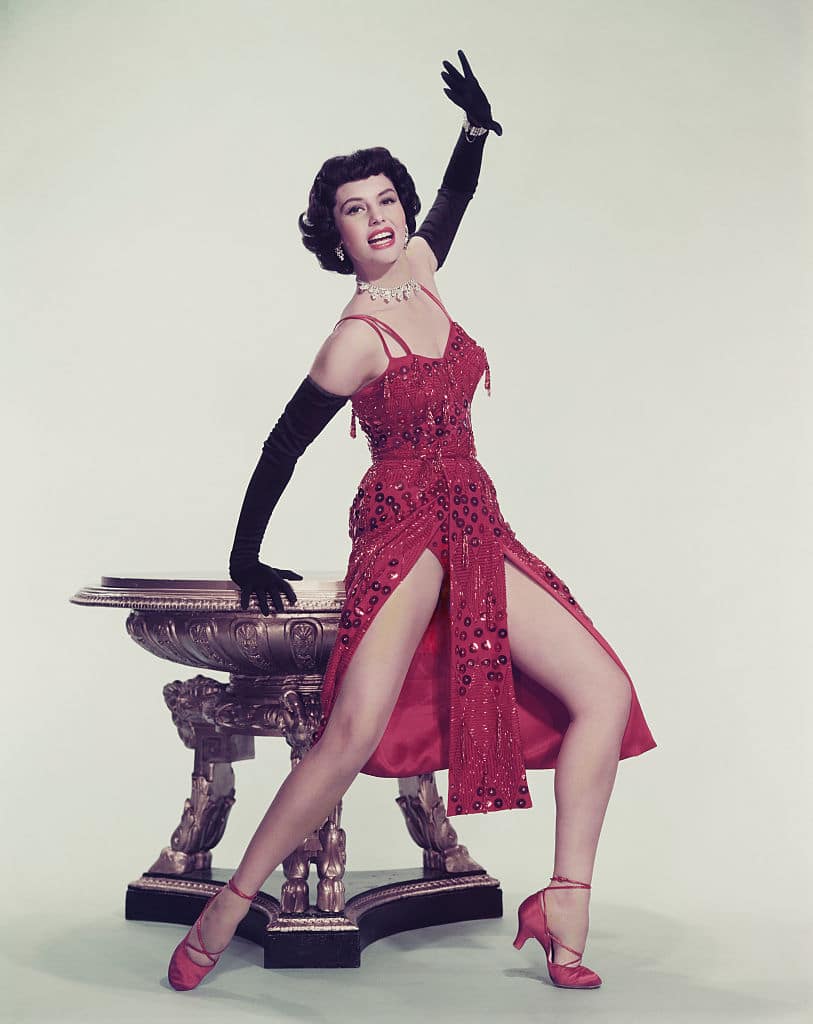
Her entry into film was through dance rather than dialogue. She appeared as an uncredited ballerina in Something to Shout About (1943) and took small roles as a background dancer. Her beauty, posture, and almost magnetic presence made it impossible for the camera to ignore her for long. MGM signed her and began grooming her as one of their in-house dance stars.
She danced with Gene Kelly in Ziegfeld Follies (1945), but her true breakthrough came in Singin’ in the Rain (1952). She didn’t utter a single line, yet her appearance in the “Broadway Melody” sequence — in that unforgettable green dress, dark hair flowing, and legs that seemed to go on forever — became one of the most iconic moments in movie musical history.

Standing about 5’6″, Charisse seemed taller on screen, especially in heels and silk stockings. She often said that movement allowed her to express emotion more truthfully than words. That belief is on full display in her work with Fred Astaire in The Band Wagon (1953). Their “Dancing in the Dark” duet is still praised for its subtle romantic storytelling and technical precision, prompting Astaire to describe her as “beautiful dynamite.”
Known for merging classical ballet training with jazz and modern styles, she moved between forms with ease and drama. When asked whether she preferred dancing with Astaire or Kelly, she famously refused to choose:

“I’d say they were the two greatest dancing personalities ever to grace the screen. Each has a unique style and is a delight to work with. But it’s like comparing apples and oranges — they’re both equally wonderful.”
Off screen, she lived a relatively quiet, disciplined life. She avoided scandal and the hard-partying culture of Hollywood, earning a reputation for professionalism and grace. In 1948, she married singer Tony Martin, and the two remained together for over 60 years, until her death. They had one child together, and Charisse had a son, Nico, from her first marriage.

Her family was struck by tragedy in 1979 when American Airlines Flight 191 crashed shortly after takeoff from Chicago, killing all 273 people on board. Among them was Sheila, the wife of her son Nico. The disaster, then the deadliest aviation accident in U.S. history, left a lasting scar on the family.
As movie musicals declined in the 1960s, Charisse shifted her focus to television, stage work, and live performances. She appeared on variety shows, toured in a nightclub act with Tony Martin, and later performed on Broadway in Grand Hotel in the 1990s. In 2006, her contributions were formally recognized when she received the National Medal of Arts, as well as an honorary doctorate from the University of North Carolina School of the Arts.
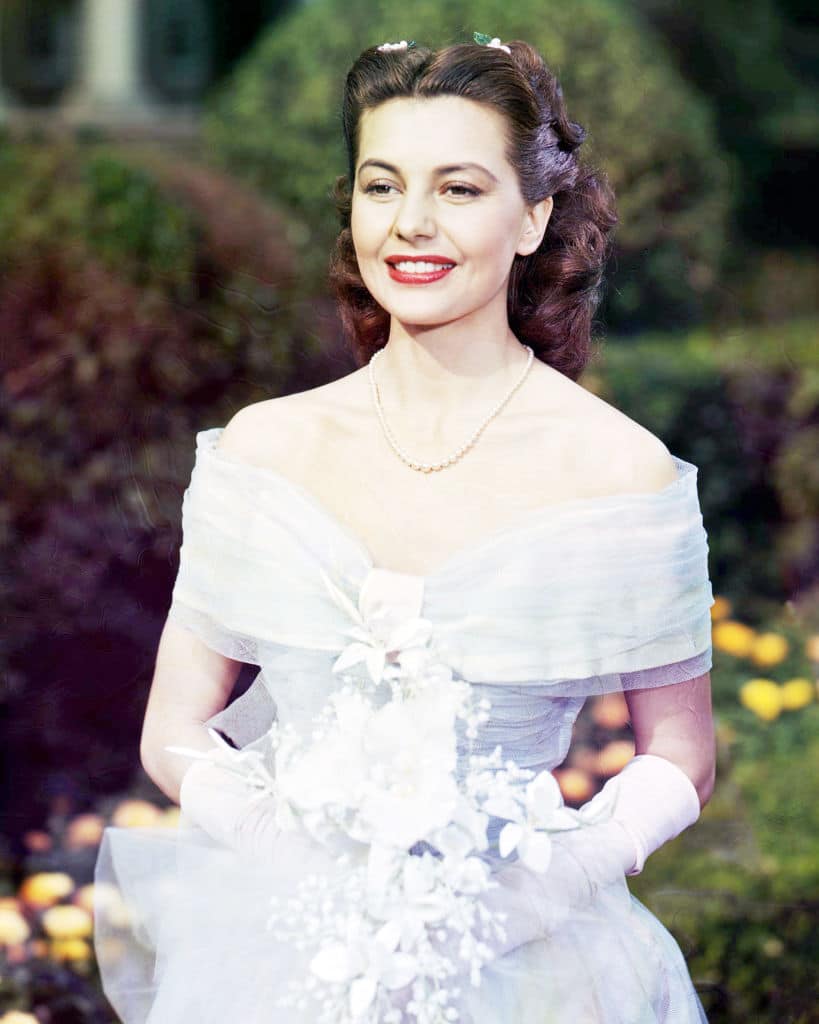
Cyd Charisse died on June 17, 2008, at the age of 86, following a heart attack. Though she is gone, her legacy endures every time someone revisits Singin’ in the Rain or The Band Wagon and marvels at how she seemed to tell entire stories without saying a word.
She wasn’t just a beautiful presence beside famous leading men; she often became the emotional and visual center of the scene — powerful, graceful, and utterly unforgettable. Her language was movement, and decades later, her work still dances on in the memories and hearts of audiences around the world.
