Cheryl Tiegs became a household name nearly five decades ago, rising to fame as one of America’s very first supermodels. Her now-legendary pink bikini poster, released 46 years ago, helped define an era and turned her into a global pop-culture icon almost overnight. At a time when modeling was far removed from today’s influencer-driven industry, Tiegs represented a new kind of beauty—athletic, sun-kissed, and effortlessly confident.
Her career quickly soared. Tiegs appeared on the covers of Sports Illustrated, Vogue, Time, and numerous other major publications, becoming one of the most recognizable faces in fashion. Yet her success wasn’t the result of a carefully engineered plan. She has often noted that her entry into modeling came almost by accident, after a friend suggested she had the right look. Early jobs paid little, mostly small fashion shows, but everything changed when she landed a feature in Glamour magazine at just 17. From that moment on, her career accelerated at a remarkable pace.
Throughout the 1970s and 1980s, Tiegs became synonymous with the Sports Illustrated Swimsuit Issue, appearing multiple times and helping establish the publication as a cultural phenomenon. Decades later, her impact was still being acknowledged—she was named to Men’s Health magazine’s list of the “100 Hottest Women of All Time” in 2012, long after her peak modeling years.
Looking back, Tiegs has reflected on how different the industry was during her rise compared to today’s highly visible, social-media-driven landscape. In a past interview, she explained that models once existed more in the moment, without constant public exposure.

“It was more in the moment, and I liked that,”
she told Artful Living, emphasizing how fame felt less manufactured and more fleeting during her era.
In the 1980s, Tiegs briefly explored acting, making appearances on television shows such as Moonlighting and Just Shoot Me. She also appeared in films later in life, including The Brown Bunny and Sharknado 4. Still, acting never replaced modeling as her primary focus. Instead, she gradually shifted her attention toward personal fulfillment, family, and causes she cared deeply about.
Her personal life included multiple marriages and motherhood. She became a mother later in life and welcomed twin sons via surrogate in 2001, a chapter she has described as deeply transformative. Around the same time, Tiegs also became increasingly involved in environmental advocacy. She has spoken publicly about climate change and conservation, traveling to places such as the Canadian Arctic and Mexico’s Copper Canyon to better understand the environmental challenges facing the planet.
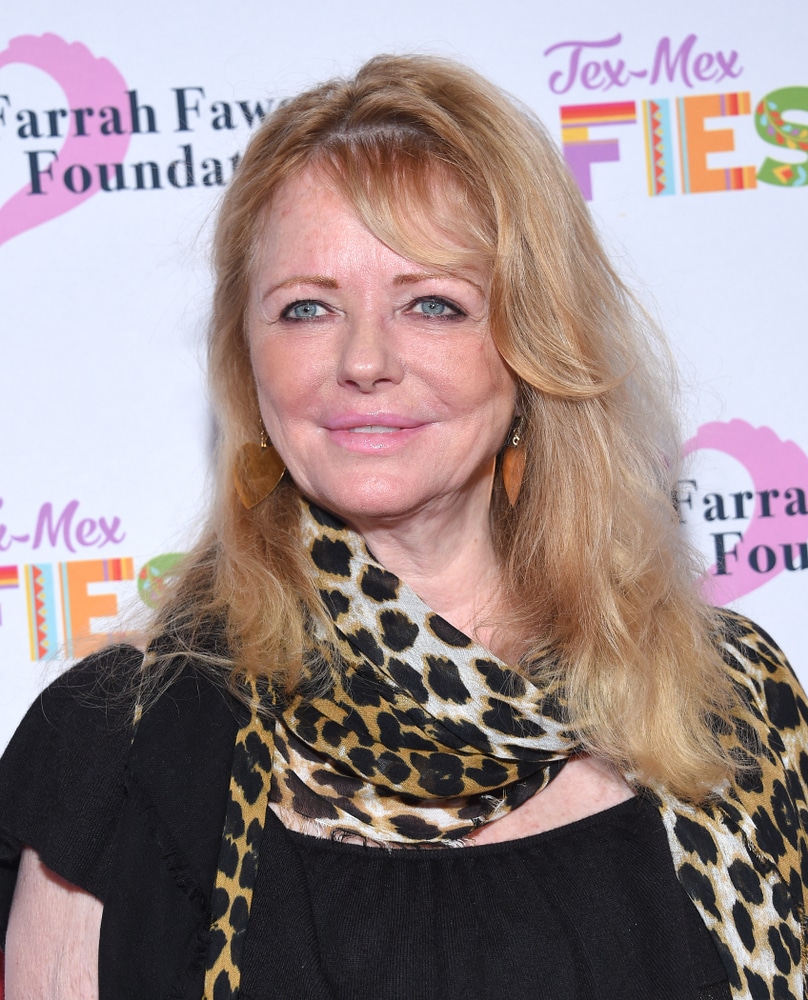
Not all chapters of her public life were without controversy. In 2016, Tiegs faced strong backlash after criticizing Sports Illustrated for featuring plus-size model Ashley Graham on its cover. Her remarks sparked widespread debate about body image and health standards.
“I don’t like that we’re talking about full-figured women because it’s glamorizing them… I don’t think it’s healthy in the long run,”
she said during an appearance on E! News, while also acknowledging Graham’s beauty.
A year later, Tiegs addressed the backlash, stating that her comments had been misrepresented.
“It’s just about finding your own healthy path. That’s all. I don’t know her; I don’t know if she’s healthy or not. That’s up to her,”
she explained, emphasizing that her intent was focused on health rather than appearance.
Now 77, Cheryl Tiegs continues to prioritize well-being over public approval. She maintains an active lifestyle through yoga, balanced nutrition, and meaningful social connections. More than anything, she credits joy, movement, and positive relationships as the keys to longevity and contentment.
Today, Tiegs remains admired not only for her timeless beauty but for the layered life she has built beyond modeling. Her journey reflects both the glamour of fashion history and the evolution of a woman who chose purpose, health, and advocacy long after the cameras stopped flashing.
More From Daily Positive
 “I Love You” Were the Last Words — Then the Ambush Began
 Trump: Venezuela’s Maduro ‘Captured’ After ‘L
 Barron and Melania Trump’s U.S. Citizenship at Risk? MAGA Ally’s Threat Raises Questions
 Walz Blasts Trump After Admin Freezes Minnesota Child Care Funds
 This Two-Word Message From China After Maduro’s Arrest Has
 Donald Trump Announces U.S. Will Now