Donald Trump’s standing with voters appears to be facing renewed pressure, according to a wave of recent polling that suggests his approval ratings remain well below majority support. While the president has dismissed the findings outright, the numbers point to challenges ahead as the political focus slowly shifts toward the upcoming midterm elections.
Trump’s first year back in the White House has been turbulent. His administration has repeatedly highlighted what it describes as progress on inflation, stabilizing food prices, and broader economic indicators. At the same time, several unresolved controversies have continued to dominate headlines, from his aggressive crackdown on undocumented immigration to lingering questions surrounding the Epstein files and an unexpected diplomatic dispute involving Greenland. Together, these issues appear to have shaped public opinion in ways that are proving difficult to counter.
Multiple surveys released in recent weeks indicate growing dissatisfaction among American voters. Although Trump entered his second term with relatively stronger support than he enjoyed at points during his first presidency, that early momentum seems to have faded. More respondents now say they disapprove of his performance than approve of it, a trend that has been consistent across polls conducted by outlets with differing political leanings.
A January survey by the Associated Press and NORC Center for Public Affairs Research found that 59 percent of U.S. adults disapprove of the way Trump is handling his job as president, while 40 percent approve. The poll was conducted through January 8, 2026, and examined not only overall approval but also opinions on specific policy areas.
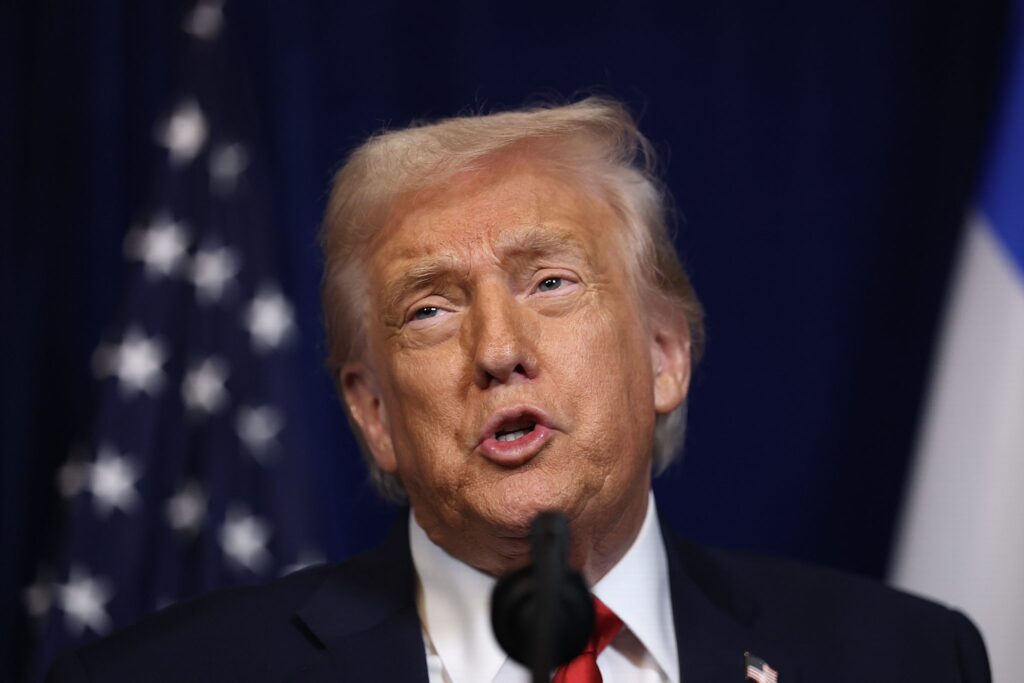
On the economy, an issue Trump frequently highlights, just 37 percent of respondents said they approve of his performance, compared with 62 percent who said they disapprove. Immigration produced nearly identical results, with 38 percent approving and 61 percent disapproving. Foreign policy and trade negotiations also drew low marks, each registering 37 percent approval and 61 percent disapproval.
While the AP-NORC researchers emphasized that all surveys carry margins of error and that opinions can vary significantly by demographic group, other polls have echoed similar conclusions. A New York Times survey conducted in partnership with Siena University placed Trump’s approval rating at roughly 40 percent, with a majority of respondents expressing dissatisfaction with both the economy and the overall direction of the country.
Additional polling has shown some variation, though none point to a dramatic rebound. A Wall Street Journal survey put Trump’s approval at 45 percent, while a Reuters/Ipsos poll placed it at 41 percent. An average of national polls compiled by RealClearPolitics currently shows Trump with an approval rating of about 42 percent, while 55 percent disapprove.
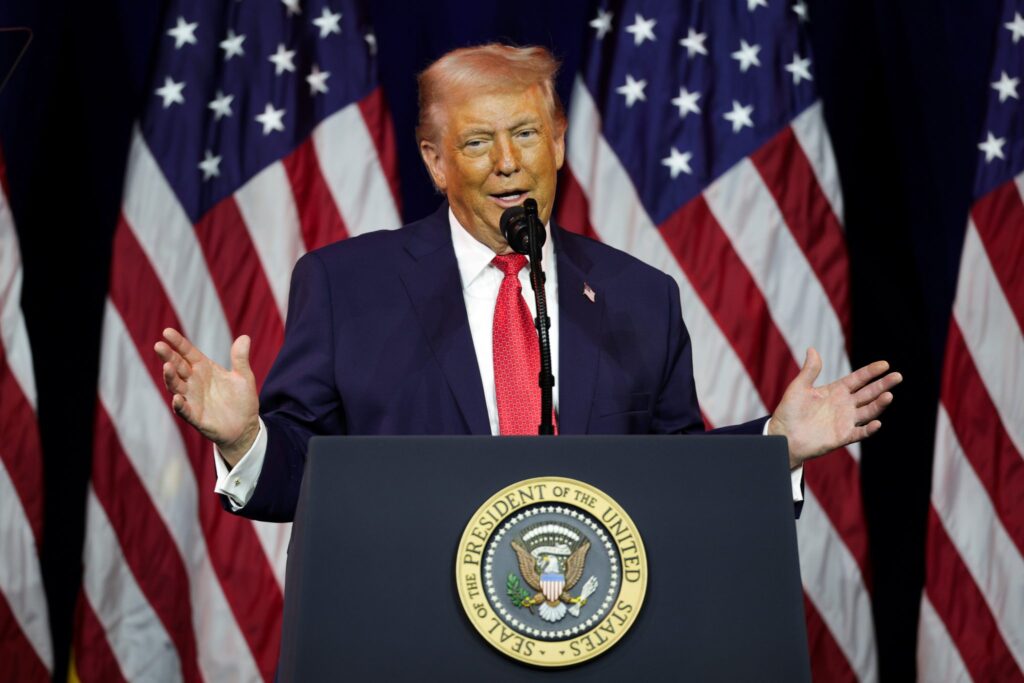
Trump’s approval rating fell below the 50 percent mark last March and has not recovered since. According to Republican pollster Daron Shaw, speaking to Fox News, support among Republicans has largely remained solid, but opposition among Democrats has become more entrenched, contributing to the overall imbalance.
The president, however, has rejected the validity of the polling altogether. In a lengthy post on Truth Social, Trump accused numerous media organizations of publishing what he called misleading and politically motivated surveys. His criticism was not limited to traditionally liberal outlets; he also took aim at Fox News and The Wall Street Journal, arguing that their polling has been consistently inaccurate over the years.
In the post, Trump repeated long-standing claims about the 2020 election and accused pollsters of attempting to manipulate public opinion. He wrote that “Fake and Fraudulent Polling should be, virtually, a criminal offense,” arguing that polls during past elections were “knowingly wrong” and designed to influence voters. He went on to list several major news organizations, asserting that their polling results bore little resemblance to final election outcomes.
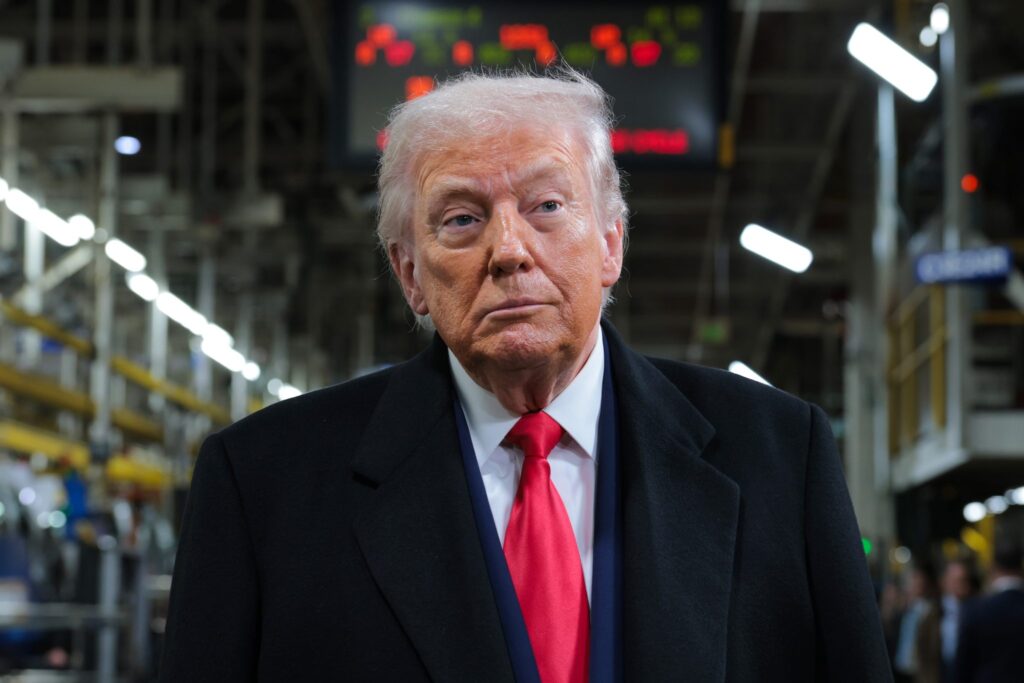
Trump concluded by calling the current polling environment a “SCAM” and lamenting what he described as the decline of American journalism. He claimed that accurate pollsters do exist but are ignored by the media because their findings do not fit a preferred narrative.
Whether the polls accurately capture voter sentiment or simply reflect a temporary dip remains an open question. What is clear is that Trump shows no sign of moderating his response, choosing instead to confront unfavorable data head-on while rallying his base against what he portrays as a hostile media landscape.
What do you make of the latest polling and Trump’s reaction to it? Do these numbers matter this far ahead of the midterms, or are they just another snapshot in a volatile political climate? Share your thoughts in the Facebook comments.
More From Daily Positive
 Melania Trump breaks silence on Alex Pretti shooting with rare plea to the U.S.
 Stories From Women About Love That Took Them by Surprise
 New Footage Sheds Light on Events Involving Alex Pretti
 Doctor at the scene claims ICE agents counted bullet wounds instead of giving medical help after shooting Alex Pretti.
 Downstairs neighbor breaks silence with heartbreaking claim after ICE agents shot Alex Pretti dead.
 Minneapolis Identifies ICU Nurse Killed in Confrontation Involving Federal Agents