From a modest Bronx apartment to a level of fame few musicians ever reach, Chuck Negron lived a life defined by raw talent, towering highs, and hard-won redemption.
That remarkable journey has now come to an end.
Negron — the unmistakable voice behind some of Three Dog Night’s most enduring hits — died Monday, Feb. 2, at the age of 83. He passed away at his home in Studio City, California, surrounded by family, according to his publicist.
In his final months, Negron had been battling heart failure as well as chronic obstructive pulmonary disease (COPD).
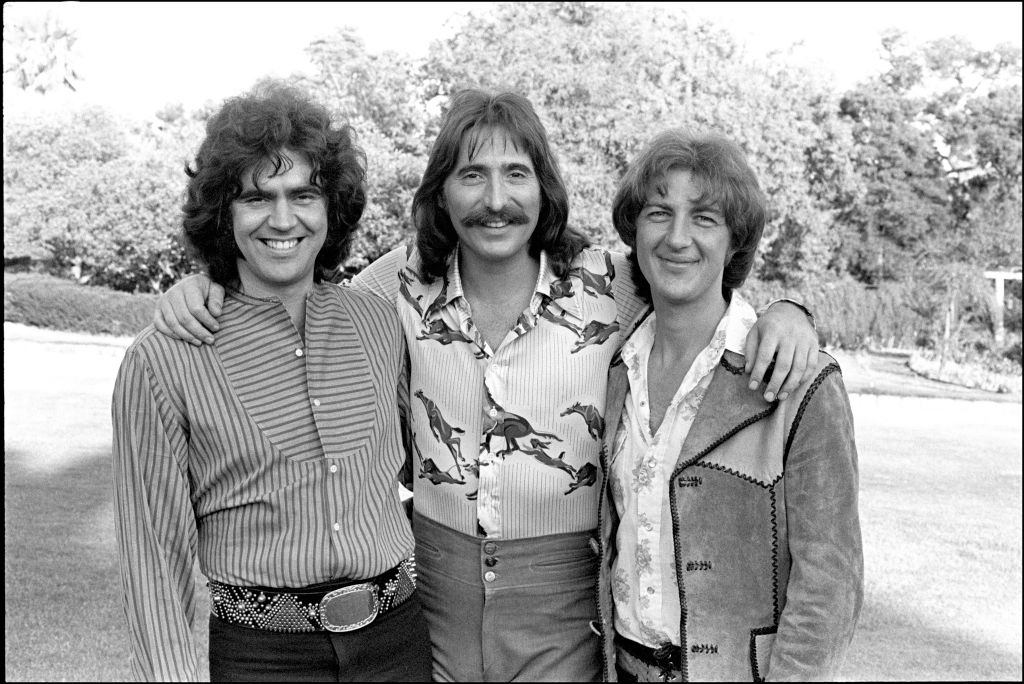
“Negron was a testament to never giving up — persevering through everything life throws at you, everything you may throw at yourself, and striving on,” his publicist said in a statement.
Born June 8, 1942, Negron was raised in the Bronx by his father, Charles Negron, a Puerto Rican nightclub performer, and his mother, Elizabeth Rooke. Music was woven into his childhood early on. He sang in neighborhood doo-wop groups, absorbed rhythm and harmony from the streets around him, and balanced that passion with basketball, which would later open doors for him.
By just 15 years old, Negron had already recorded his first single and performed at the legendary Apollo Theater with his vocal group, The Rondells — an experience that would leave a permanent mark on him.
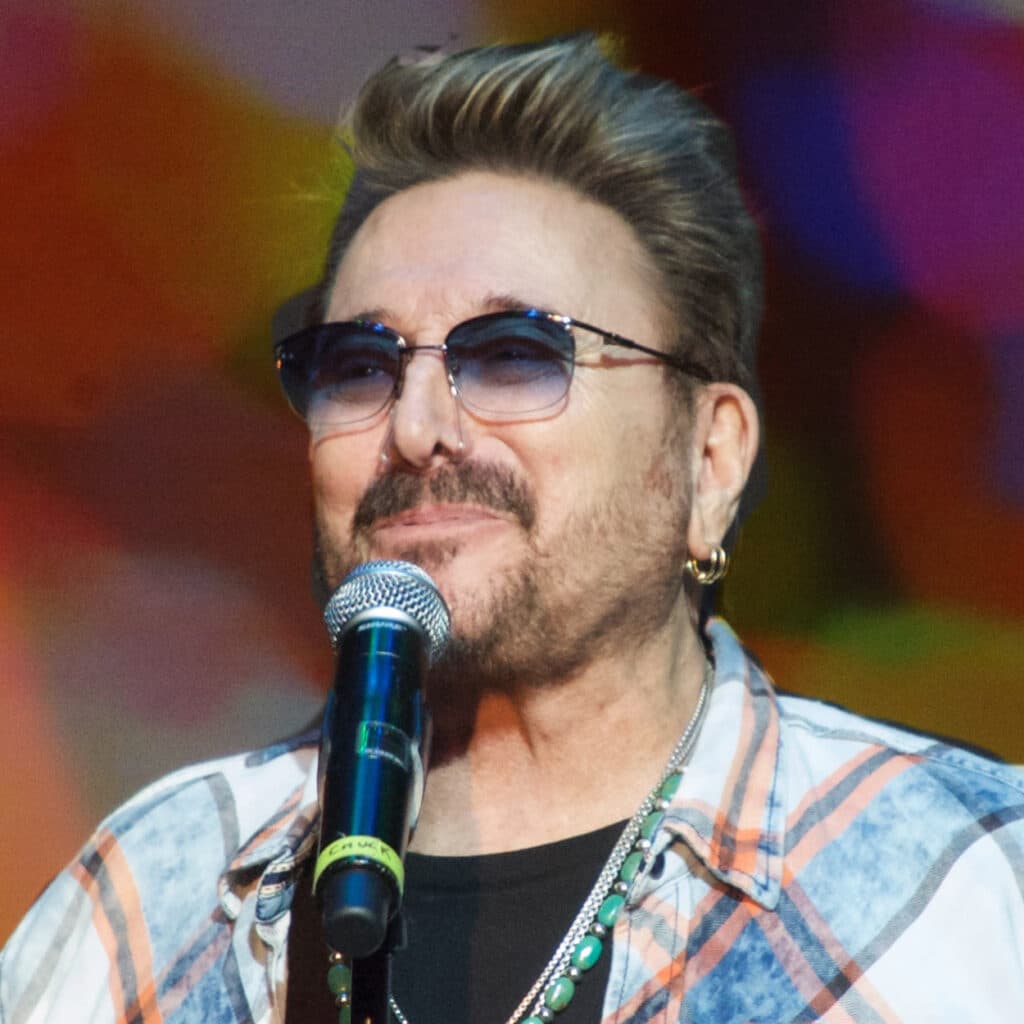
Looking back years later in a 2004 interview with the Rapid City Journal, he recalled the moment vividly:
“We were not just only the white group in the building. But by our second verse, something magical happened. The audience started to cheer us on.”
It was an early lesson in the unifying power of music — one that transcended race, background, and expectation.
Negron later moved west on a basketball scholarship to California State University, but music quickly took priority. In Los Angeles, he joined forces with Danny Hutton and the late Cory Wells, forming Three Dog Night in 1967. The group’s signature blend of bold harmonies and emotionally charged vocals would soon dominate radio airwaves.
Negron’s soaring, gritty voice became the heart of the band, carrying classics like “Joy to the World (Jeremiah Was a Bullfrog),” “One (Is the Loneliest Number),” “Old Fashioned Love Song,” “The Show Must Go On,” “Easy to Be Hard,” and “Mama Told Me (Not to Come).” At their peak, Three Dog Night expanded to include guitarist Michael Allsup, along with the late Jimmy Greenspoon, Joe Schermie, and Floyd Sneed.
Fame arrived fast — and with it, pressure. Despite massive commercial success, the band eventually unraveled at the height of its popularity. Heavy drug use and internal tensions fractured relationships, and Three Dog Night ultimately disbanded.
Negron’s struggles offstage were as intense as his performances on it. For years, he battled addiction, coming dangerously close to losing everything. In 1991, he achieved sobriety — a turning point that reshaped the rest of his life.
Clean and determined, Negron rebuilt. Between 1995 and 2017, he released seven solo albums and returned to touring, proving that his voice and resilience were far from spent. In 1999, he laid bare his story in his bestselling memoir Three Dog Nightmare, chronicling his rise to fame, addiction, near-death experiences, and recovery with unflinching honesty.
Even as COPD gradually weakened his health, Negron continued performing well into his later years, stepping away from touring only when the COVID-19 pandemic made live shows unsafe.
Late in life, there was also reconciliation. After decades of estrangement, Negron and Danny Hutton reconnected last year, a reunion his publicist described as “a timely effort to exchange apologies and bury the hatchet.”
Through it all — the fame, the fallout, the comeback — family remained central.
“Through his six decades of success, and all the ups and downs, his large, unconventional family was most important to him,” his publicist said.
Chuck Negron is survived by his wife, Ami Albea Negron, and his children: Shaunti Negron Levick, Berry Oakley, Charles Negron III, Charlotte Negron, and Annabelle Negron.
His voice — full of soul, grit, and emotional honesty — remains etched into rock history. Long after the final note faded, it continues to echo, reminding generations why music, at its best, tells the truth.
Rest in peace, Chuck Negron.
More From Daily Positive
 I Posted My Wedding Photos on Facebook for the First Time – the Next Day, a Stranger Messaged Me: 'Run from Him!'
 My Husband Refused to Buy Our Son a $20 Winter Coat, Saying We Were 'Broke' – When I Found Out the Real Reason, My Knees Went Weak
 I Got an $840K Job Offer and My Husband Said I Wasn't 'Allowed' to Take It – When I Found Out Why, I Filed for Divorce
 I Took in My Two Blind Nieces – Then Their Deadbeat Dad Came Back and Turned Them Against Me
 Ransom note found with chilling demand for the return of Savannah Guthrie’s mother
 Savannah Guthrie Shares Personal Update About a Challenging Family Situation