In a quiet but meaningful comeback, a once-iconic American restaurant chain is stepping back into the spotlight — not with noise or gimmicks, but with something far more powerful: familiarity.
For decades, Friendly’s wasn’t just a place to eat. It was where Little League teams celebrated wins, grandparents ordered coffee after church, and kids stared wide-eyed at towering ice cream sundaes that felt bigger than the table itself. It was woven into family rituals in a way few casual dining chains ever achieve.
At its peak, Friendly’s operated hundreds of locations across the United States. The booths were filled with birthday candles, after-school laughter, and conversations that stretched longer than the check. It was dependable, affordable, and comfortingly consistent.
Then the industry changed.
Fast-casual concepts surged. Delivery apps reshaped expectations. Consumers leaned toward trend-driven menus and sleek interiors. Like many legacy chains, Friendly’s struggled to compete in a market that suddenly demanded speed, reinvention, and digital agility. Financial challenges mounted. Locations closed. The familiar red signage slowly disappeared from many towns, leaving behind nostalgia and a sense that something simple had been lost.
Now, the return feels different.
Rather than attempting a radical overhaul, the brand’s revival leans into what people remember — while acknowledging that diners today expect more. Classic comfort items remain at the heart of the menu, but quality and presentation have been elevated. Signature ice cream creations and familiar entrees sit alongside lighter options and updated comfort dishes designed to appeal to both longtime fans and younger guests discovering the brand for the first time.
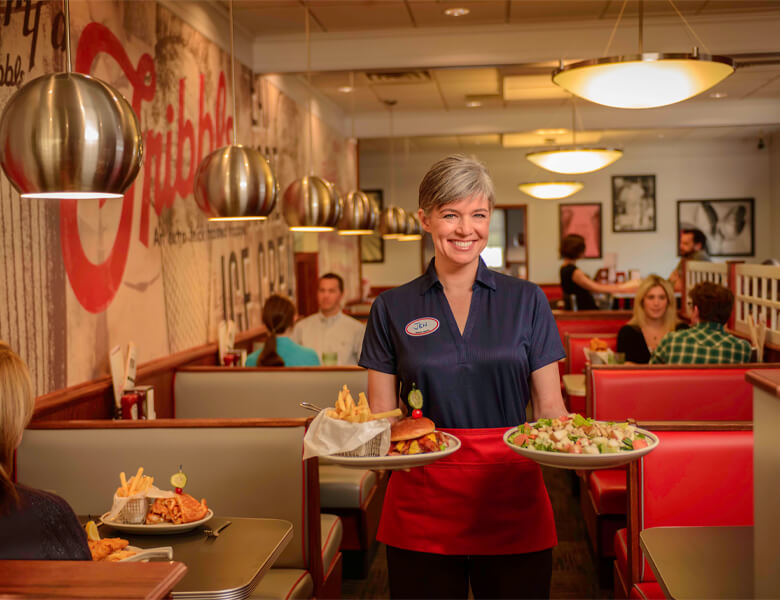
The interior redesign reflects that same balance.
Warm, casual elements remain — booths, welcoming lighting, approachable layouts — but they’re paired with cleaner lines, refreshed color palettes, and subtle modern touches that feel current without erasing the past. The goal appears clear: evolve without alienating the very customers who built the brand’s legacy.
Importantly, this reintroduction isn’t framed as a flashy relaunch. It feels intentional. Measured. Grounded.
There’s also an understanding that restaurants today are more than physical spaces. They exist within social media feeds, delivery platforms, and fast-moving cultural cycles. For a heritage brand like Friendly’s, the challenge isn’t only about menu execution — it’s about relevance. Can nostalgia coexist with innovation? Can a chain built on tradition adapt without losing its identity?
Early signals suggest that leadership believes it can.
The updated mascot, refined branding, and clearer storytelling around the company’s roots all point to a strategy centered on emotional connection. Rather than competing purely on novelty, Friendly’s seems to be positioning itself as a place for shared memory — something increasingly rare in a fragmented dining landscape.
That emotional angle may be its greatest strength.
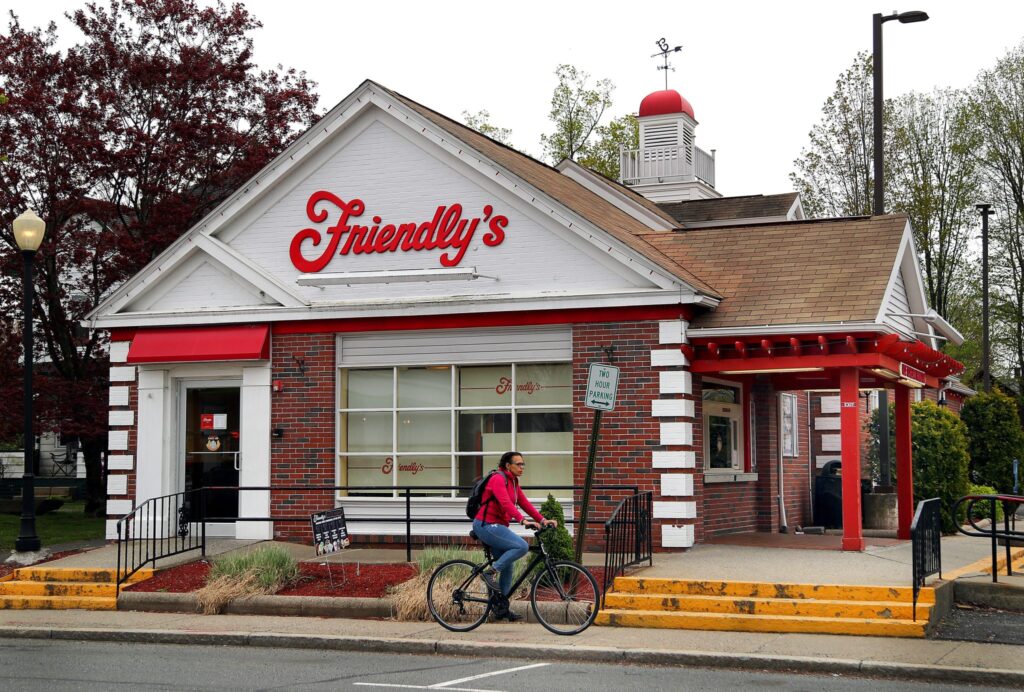
In an era defined by constant reinvention, there’s something compelling about a brand that doesn’t pretend to be new — only renewed.
Whether the comeback ultimately succeeds will depend on consistency, operational strength, and the ability to meet modern expectations around service and quality. Casual dining remains fiercely competitive, and consumer loyalty is no longer automatic.
But the return of Friendly’s taps into something deeper than trend cycles.
It taps into memory.
And in a marketplace where diners often chase the next new thing, the quiet power of familiarity — of a booth that feels like it’s always been there — might just be enough to write a second chapter.
More From Daily Positive
 I raised my late sister’s three children for five years—working nights, selling food at dawn, and giving up my own future so they would never feel abandoned.
 After My Husband Passed Away, a Painful Family Talk Uncovered an Unexpected Comfort
 When I Came Home From A Business Trip, I Found My Daughter Unconscious On The Floor, My Wife Said She Was Only Teaching Discipline, But When Paramedics Arrived, One Look At Her Made Them Whisper, “Sir, Is That Really Your Wife?” Because the truth was…
 After I gave birth to our triplets, my husband brought his mistress to the hospital, a Birkin hanging from her arm, just to hum:iliate me. “You’re too ugly now. Sign the divorce,” he sneered.
 I went into cardiac arrest after delivering triplets. While I was unconscious in the ICU, my CEO husband stood in the hospital corridor and finalized our divorce. When a doctor told him, “Sir, your wife is in critical condition,” he barely reacted.
 My Husband Tricked Me into Paying for His Vacation with His Mistress — So My Revenge Was Sweet