Manasra was questioned at the age of 13 without a parent or attorney present.
“The horrifying cruelty and mistreatment of Manasra by the Israeli justice system and prison officials is an example of larger patterns of abuse against Palestinian detainees, especially children.” Heba Morayef
Heba Morayef, the Director of Amnesty International’s Middle East and North Africa division, responded to the release of Ahmad Manasra, a 13-year-old Palestinian who had been imprisoned in an Israeli prison for nine and a half years:
“Ahmad Manasra and his family are extremely relieved that he is now free, but nothing can make up for the years of cruelty, trauma, injustice, and mistreatment he suffered while incarcerated.
When his mental health conditions drastically worsened years ago, the Israeli parole committee used a provision in the abusive Counter-Terrorism Law to prevent his early release, rather than releasing him on medical grounds.
At the age of 13, Manasra was questioned without a parent or attorney present. As he grew more agitated during his interrogation, video footage showed interrogators yelling at him and insulting him.
Israeli officials kept him in solitary confinement for almost two years in spite of growing calls for his release, which greatly deteriorated his health. Torture is prohibited when solitary confinement lasts more than 15 days.
“We convey our sincere hope that Ahmad will recover from the severe trauma he has experienced. He and his family must be shielded from all forms of abuse and intimidation, and he must be given equal access to the healthcare he requires in his hometown of East Jerusalem.
“The Israeli justice system and prison officials’ horrifying cruelty and mistreatment of Manasra is an example of larger trends of abuse against Palestinian prisoners, particularly children. According to his autopsy, Walid Khalid Abdullah Ahmad, a 17-year-old Palestinian detainee, died three weeks ago while in Israeli custody most likely from a combination of severe medical neglect and abuse and starvation.
The release of Ahmad Manasra coincides with thousands of Palestinian detainees and prisoners experiencing previously unheard-of levels of torture, maltreatment, and denial of their most fundamental rights, including access to food and medical care. Manasra endured great suffering during his lengthy and brutal solitary confinement, despite Israeli officials’ repeated claims that it was for his protection.
Violations of human rights
In October 2015, Ahmad Manasra was taken into custody in relation to a stabbing that occurred in occupied East Jerusalem. He was brutally questioned without legal counsel or his parents present, even though there was evidence that he was not involved in the stabbings and he was still a young child. International concern was aroused by footage of his interrogation, which showed him in distress and hurt.
During proceedings that raised serious questions regarding due process and Manasra’s rights as a child, he was found guilty of attempted murder in 2016. His original 12-year prison term was subsequently lowered to nine-and-a-half years. In 2022, the Israeli parole committee denied his request for an early release on medical grounds; the Israeli courts upheld this decision.
Manasra’s mental state deteriorated dramatically during his years of imprisonment, especially during the nearly two years he spent in solitary confinement starting in November 2021. He was hospitalized within the prison system after medical professionals diagnosed him with severe psychiatric conditions, such as schizophrenia and severe depression. Amnesty frequently expressed worries about his welfare and the negative effects of extended solitary confinement, which is illegal under international law.
Manasra’s case has been repeatedly cited by Amnesty International as representative of the systematic abuses of Palestinian children’s human rights that occur in the Israeli military justice system.
Keep the Music Going
 Diane Keaton’s cause of death confirmed as family release heartbreaking details
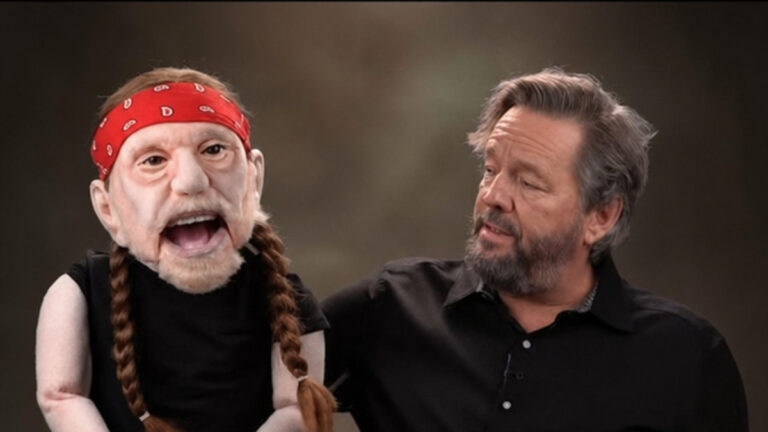 America’s Got Talent legend Terry Fator leaves fans in tears AND stitches with touching Willie Nelson puppet cover of “Always on My Mind” that melted fans’ hearts
 Soundgarden’s Chris Cornell surprises Cat Steven fans singing “Wild World” duet one year before untimely death
 Kaylee Hottle’s mom shares heartbreaking tribute after daughter, 18, dies in fatal car crash
 Lady Gaga’s “Poker Face” turns into Polka Face in fun-filled cover by 8-piece German act The Heimatdamisch, and fans can’t believe how good it sounds!
 After Ten Years as “Just the Nurse,” I Found Mr. Whitaker’s Hidden Envelope