Renee Nicole Good’s death has ignited widespread protests across the United States, with demonstrators condemning ICE and demanding accountability. At the same time, others — including senior figures in the Trump administration — insist the ICE agent involved acted in self-defense. Now, amid the political and moral divide, some people are turning to artificial intelligence to ask a question many feel remains unanswered: who was really at fault?
Renee Nicole Good, a 37-year-old mother of three, was shot and killed by an ICE agent on January 7. The killing triggered immediate outrage nationwide, while also drawing strong defenses of the agent’s actions. Officials including Donald Trump, JD Vance, and Department of Homeland Security Secretary Kristi Noem publicly claimed that Renee used her vehicle as a weapon and that the agent fired in self-defense.
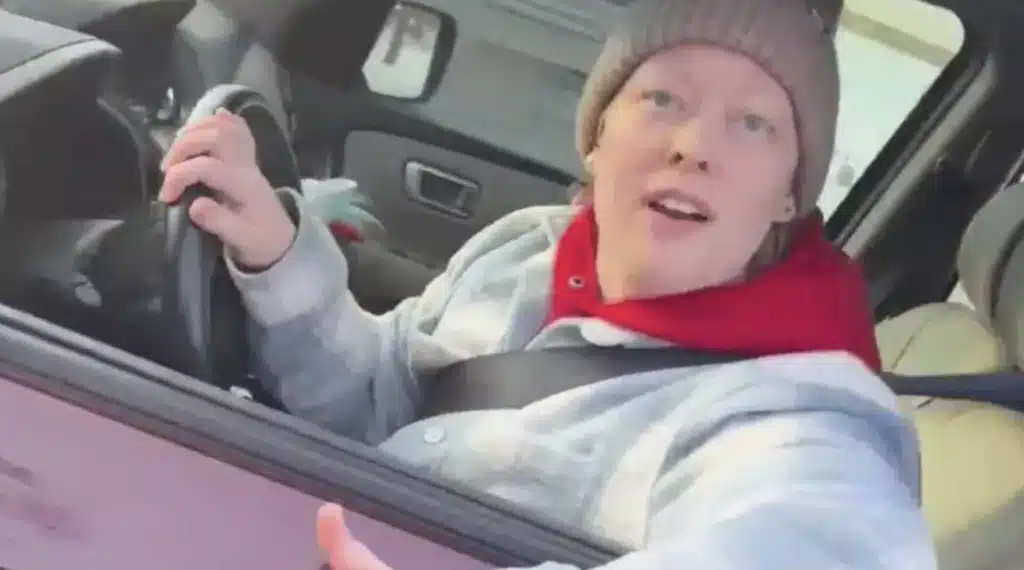
In the days following her death, Renee was labeled a “domestic terrorist” and even a “lunatic” by critics. The language, paired with conflicting interpretations of video footage, has only deepened political and moral divisions. Whether the ICE agent, identified as Jonathan Ross, will face prosecution remains unclear. Meanwhile, experts and analysts continue to scrutinize the incident frame by frame.
Some forensic commentators have weighed in with their own interpretations. A few days ago, a YouTube forensic analyst known as Dr. G suggested that Renee may have attempted to reverse the car while her wife’s hand was still on the door handle, arguing this could point to panic or situational unawareness rather than implying intent to harm. Others have pointed to subtle details in Renee’s hands and posture, suggesting she was simply trying to escape the scene.
More recently, a different approach has drawn attention online. A popular YouTube channel uploaded the raw footage of the shooting into ChatGPT, instructing the AI to analyze only the video itself, avoid public opinion, and remain as unbiased as possible.
The response surprised many viewers.
“What I see is a situation that went bad because of poor decisions on both sides,” the AI stated, “but the heavier responsibility lands squarely on ICE. And I don’t think that’s even close.”
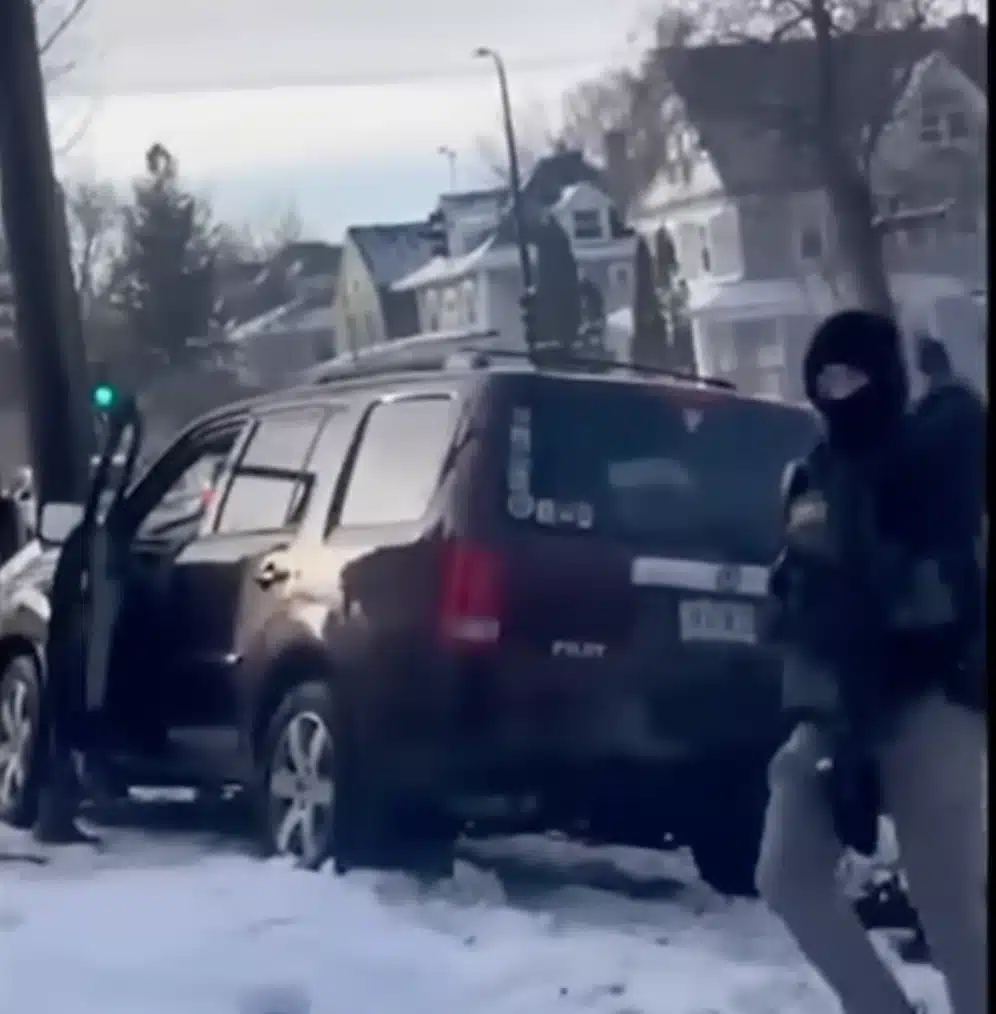
The analysis acknowledged that Renee’s attempt to flee was a mistake, describing it as a panicked decision that worsened an already volatile situation. Still, the AI emphasized a key point: “Mistakes by civilians do not automatically justify lethal force.”
Addressing claims of self-defense made by the Trump administration, the AI disagreed with the framing. It concluded that the encounter did not clearly rise to an immediate life-or-death moment and argued that ICE, as an institution, often creates confrontations that escalate rapidly.
“I don’t see justice or protection,” the response continued. “I see a preventable death caused by an agency that escalates first and explains later.”
As protests continue and investigations move forward, Renee Nicole Good’s death remains a flashpoint — not only over immigration enforcement and use of force, but also over how narratives are formed, challenged, and now even tested through artificial intelligence.
More From Daily Positive
 Donald Trump unexpected message to Renee Good’s father after fatal ICE shooting
 I Found Out My Husband Booked a Romantic Dinner with His Mistress – So I Showed Up as the Chef
 My Neighbor Kept Dumping Snow from His Snowplow onto My Driveway – So I Taught Him a Lesson
 My Husband Said His Mom Deserved the Front Seat More than Me – I Taught Him a Lesson
 Is Trump facing impeachment? Some longshot initiatives have been started
 Renee Good’s Apparent Last Words and Moment Just Before She Was Fatally Shot Captured in ICE Agent’s Video