I wasn’t shaking.
That surprised me the most.
I sat in front of the bathroom mirror with a cotton pad pressed to my cheek, gently wiping away the blush that had smeared during dancing. My wedding dress hung loose where I’d unzipped it halfway, slipping off one shoulder. The room smelled like jasmine, melted tea lights, and vanilla lotion.
I wasn’t shaking.
I wasn’t crying.
I was… suspended.
For once, being alone didn’t feel lonely.
There was a soft knock on the bedroom door.
“Tara?” Jess called. “You good, girl?”
“Yeah,” I said. “Just… breathing. Taking it all in.”
A pause. I could picture her on the other side, arms crossed, eyebrows knit together as she decided whether to come in.
“I’ll give you a few more minutes,” she said. “Yell if you need help with that dress.”
I smiled at my reflection, though my eyes didn’t follow. Her footsteps faded down the hall.
It had been a beautiful wedding. Simple. Honest. We stood under the old fig tree in Jess’s backyard, the same one that had watched over birthdays, breakups, and one disastrous summer storm that left us eating cake by candlelight.
Not fancy.
But it felt right.
Jess had insisted on hosting. She said she wanted it “close and warm,” but I knew the truth. She wanted to be near Ryan. Close enough to watch him. Close enough to intervene if the man who once made my life unbearable tried to surface again.
I didn’t mind. I liked knowing she was there.
Ryan cried during the vows. I did too. He looked at me like I was something fragile and sacred. And for a moment—just a moment—I believed the past was finally behind us.
So why did I feel like I was waiting for something to break?
Maybe because in high school, I’d learned to brace myself before everything. Before entering rooms. Before hearing my name. Before opening my locker.
There were no bruises back then. No shoves. Just strategy.
Ryan had never raised his voice. He didn’t need to. He used quiet cruelty—comments sharp enough to sting, soft enough to slide past teachers and friends. A smirk. A “joke.” A nickname.
“Whispers.”
“There she is,” he’d say, smiling. “Miss Whispers.”
People laughed. I laughed too, sometimes. Pretending not to care was easier than crying.
So when I saw him again at thirty-two, standing in line at a coffee shop, my body recognized him before my mind did.
I turned to leave.
“Tara?”
I froze. Then turned back.
He was holding two coffees—one black, one oat milk with honey.
“I thought that was you,” he said. “You look—”
“Older?” I asked.
“No,” he said quickly. “You look like yourself. Just… steadier.”
That threw me.
He apologized that day. No jokes. No smirks. His voice shook as he said my name. He told me he remembered everything. That he was ashamed. That he was sorry.
I didn’t forgive him.
But I didn’t walk away.
Coffee turned into conversation. Conversation into dinners. Somewhere along the way, he became someone I didn’t flinch around.
He told me he was four years sober. In therapy. Volunteering with teens who reminded him of who he used to be.
“I’m not trying to impress you,” he said. “I just don’t want you to think I’m still that kid.”
Jess didn’t smile when she met him.
“You’re that Ryan?” she asked.
“Yes.”
She pulled me aside later. “You’re not his redemption arc, Tara.”
“I know,” I said. “But I’m allowed to hope.”
A year and a half later, he proposed in a parked car while rain tapped against the windshield.
“I don’t deserve you,” he said. “But I want to earn whatever you’re willing to give.”
I said yes. Not because I forgot. But because I believed people could change.
And now, here we were. Married. One night into forever.
I turned off the bathroom light and stepped into the bedroom. Ryan sat on the edge of the bed, still in his dress shirt, sleeves rolled, collar undone.
He looked like he couldn’t breathe.
“Ryan?” I asked. “Are you okay?”
He rubbed his hands together, knuckles white.
“I need to tell you something.”
“Okay.”
“Do you remember the rumor? Senior year. The one that made you stop eating in the cafeteria?”
My body went rigid.
“I saw what happened,” he said. “The day it started. I saw him corner you behind the gym. I saw your face.”
I remembered whispering the story to a guidance counselor. Her nod. Her promise to “keep an eye on things.”
Nothing ever changed.
Then the nickname started.
Whispers.
“I panicked,” Ryan said. “I didn’t want to be next. So I laughed. I joined in. I thought if I turned it into a joke, it would protect you. Or at least distract him.”
“That wasn’t protection,” I said. “That was betrayal.”
Silence stretched between us.
“I hate who I was,” he whispered.
“Then why didn’t you tell me before now?”
He swallowed. “Because I thought loving you better would make up for it.”
My chest tightened.
“There’s more,” he said. “I’ve been writing a memoir.”
The air left my lungs.
“I changed names. I kept it vague—”
“You didn’t ask me,” I said. “You took my pain and made it your story.”
“I wrote about my guilt,” he said. “Not what happened to you.”
“And where does that leave me?” I asked. “I didn’t agree to be your lesson.”
That night, I slept in the guest room. Jess curled beside me like she used to in college.
“You okay?” she asked softly.
“No,” I said. “But I’m not confused anymore.”
She squeezed my hand.
Silence filled the room, thick and steady.
People say silence is empty.
It isn’t.
Silence remembers everything.
And in it, I finally heard my own voice—clear, steady, and done pretending.
Being alone isn’t always lonely.
Sometimes, it’s the first step toward being free.
More From Daily Positive
 With heavy hearts, we report the sad news about this former child star and multi-talented actress
 Expert reveals the 15 US cities that would be first targets in WW3 – some might surprise you
 The Spiritual Meaning Of Waking Up At 1AM, 2AM, 3AM, 4AM, And 5AM
 Hidden Beneath the Matted Fur
 My daughter woke up with this huge spot on her foot I don’t know what it could be. She’s been in pain and can’t move her foot what is this.. Explain this 😩
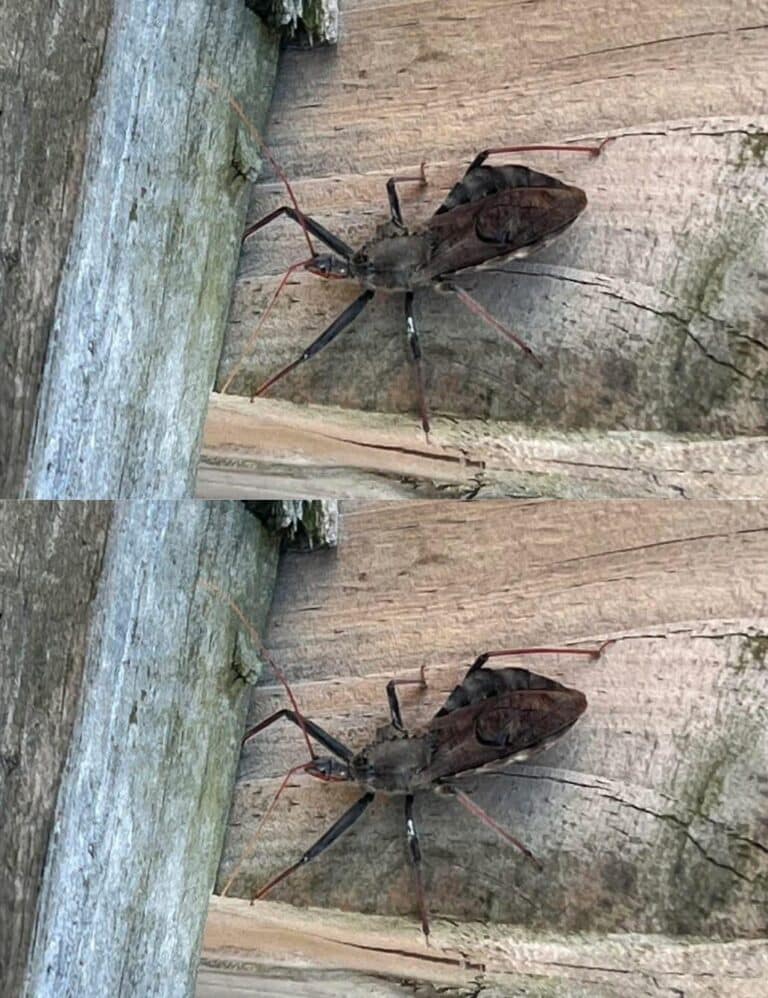 What To Do If Bitten By An Assassin Bug