The family believes the emotional shock of the detention played a significant role in his sudden decline.
In late October 2025, Maher Tarabashi was detained during a routine check-in at a Immigration and Customs Enforcement facility in Dallas, according to his family and attorney. For years, these check-ins had been a formality—appointments he never missed, a condition of remaining in the country under supervision.
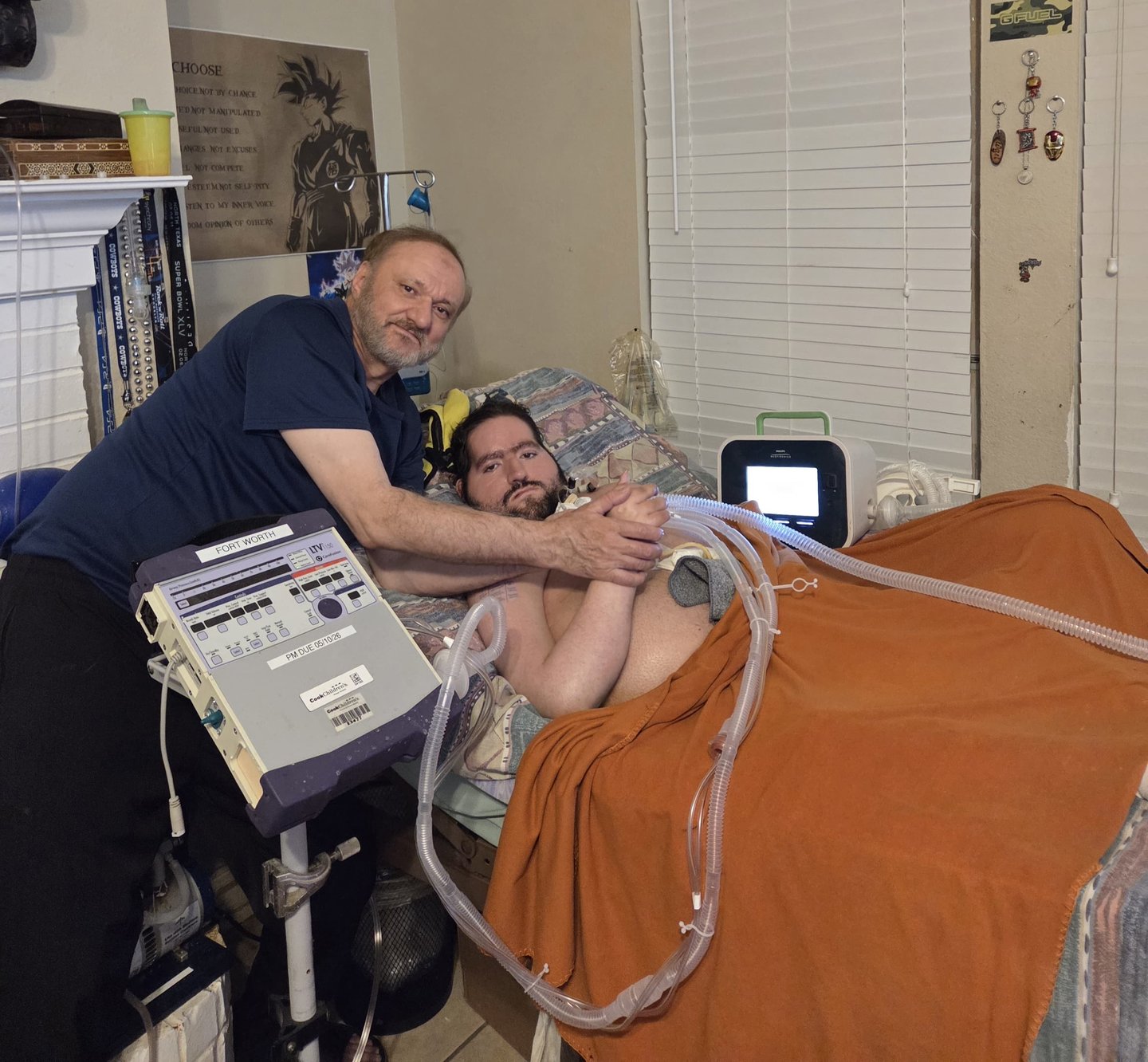
Before his detention, the 62-year-old was the sole, full-time caregiver for his 30-year-old son, Wael Tarabashi, who lived with Advanced Pompe Disease. Wael was unable to breathe, eat, or move independently and depended entirely on his father for round-the-clock care. Their lives were structured around this fragile rhythm of reliance and presence.
In the weeks following Maher’s detention, Wael’s health began to deteriorate. He was hospitalized multiple times, spending his final weeks in intensive care before passing away on January 23. His family believes the abrupt separation from his father—his primary caregiver and emotional anchor—placed an unbearable strain on a body already weakened by illness.
Maher remains in detention at the Bluebonnet Detention Center. Authorities have denied his request to attend his son’s funeral. Meanwhile, his family has been raising funds to cover legal expenses and basic needs as they navigate a process that has offered little space for compassion.
Maher first arrived in the United States from Jordan in 1994. After his asylum application was denied in 2006, a deportation order was issued. Because Wael—a U.S. citizen—was fully dependent on him for daily survival, Maher was reportedly allowed to remain in the country under supervision so he could continue providing care.
“He had check-ins with ICE every year,” his attorney said. “He never missed a single one.”
Wael’s family does not claim that illness alone tells the full story. In a public appeal, they described a convergence of physical fragility and emotional shock—a system overwhelmed not only by disease, but by loss, fear, and sudden absence.
From a deeper lens, this case raises difficult questions that law alone cannot answer. Systems are built to enforce rules, but lives are lived in relationships. When enforcement interrupts care, the cost is not always immediate or visible—but it is real. Justice without mercy may be orderly, yet it risks becoming blind to the very human weight it carries.
In moments like these, restraint, discretion, and compassion are not exemptions from the law—they are its moral test.

 Watch the moment P!nk, Brandi Carlile & Zac Brown Band lead the ultimate Dolly Parton tribute at her emotional Rock & Roll Hall of Fame induction
 I worked 80-hour weeks in a freezing apartment to buy my parents their dream farmhouse in cash. Returning unannounced 6 years later, I caught my frail father was sweeping the driveway and my mom was washing clothes under the brutal sun like indentured servants. On the porch, my sister-in-law and her mother sipped iced tea and sneered: “Watch it, old man! You’re getting dirt on my designer shoes.” They were living like queens on the money I sent for my parents’ medicine. My blood turned cold. Three minutes later, they begged me for putting an end to their pain…
 The day I became his wife, I told no one about the company my father spent 40 years building— and thank God I stayed quiet, because six weeks later, his mother arrived with an attorney… Her documents meant nothing.
 The first things that will happen to Melania if Donald Trump dies in office
 My Father Let Me Believe the Worst Until My Son Was Born
 Homeless Man Leaves Passers-By Shocked With Hidden Piano Talents