The death of Virginia Giuffre last year stunned observers around the world. At the time, many questions surrounded her final days, and no official cause of death had been publicly confirmed. While authorities in Western Australia indicated early on that there were no suspicious circumstances, uncertainty and speculation persisted.
Giuffre, 41, died on April 25, 2025, at her home in Neergabby, a rural area north of Perth. Initial police statements suggested the death was not being treated as suspicious, though a coroner’s investigation was ongoing.
Her father, however, strongly rejected the idea that she had taken her own life. In an interview with Piers Morgan, he stated:
“For them to say that she committed suicide, there’s no way that she did.”
He further suggested that “somebody got to her,” casting doubt on the early conclusions.

Giuffre’s Australian attorney, Karrie Louden, urged caution at the time, emphasizing that the official findings would ultimately come from the coroner. She said:
“The Coroner will determine in due course the cause of death, and that will be established based on the evidence.”
The BBC also reported that significant details about Giuffre’s last days and personal circumstances remained unclear.
Now, documents released as part of the U.S. Department of Justice’s final disclosure of approximately 3.5 million records related to the Jeffrey Epstein investigation appear to provide new context. According to reporting by the Daily Mail, private emails were briefly made public before being redacted.
Among them were messages attributed to fellow Epstein accuser Maria Farmer, offering insight into Giuffre’s emotional state in the months before her death. In an email dated May 8, 2025, Farmer allegedly wrote:
“She died from a self-inflicted gunshot wound last week at her home in Australia.”
The message was reportedly sent to several of Giuffre’s attorneys, including David Boies and Sigrid McCawley, who represented her in high-profile civil litigation linked to the Epstein scandal.
Farmer’s email conveyed profound grief:
“I have no idea how to survive now. She was our leader, our purpose. This is agonising for her children, especially her little girl. No one should ask so much of public victims… My raison d’être was Virginia… She was pure LIGHT.”
She also expressed anger toward law enforcement, writing:
“The FBI needs to feel DEEP SHAME and cough up my reports… I reported to FBI TEN YEARS PRIOR TO THIS HERO BEING KIDNAPPED AND RAPED AS A CHILD!!!”
Giuffre had become one of the most recognizable survivors to publicly accuse Epstein and his associate Ghislaine Maxwell, alleging she had been trafficked and abused as a teenager. Her claims played a significant role in drawing renewed public attention to the case.
The documents also point to personal challenges in her final months. In January 2025, police responded to a domestic dispute involving Giuffre and her husband, Robert Giuffre, during a holiday in Dunsborough. While no charges were filed, Robert later obtained a restraining order that temporarily restricted her contact with their children.
On social media, Giuffre wrote:
“I have been through hell and back in my 41 years but this is incredibly hurting me worse than anything else.”
Shortly before her death, Louden described the news as entirely unexpected:
“This has been a complete shock to all of us… If any of us had thought she was going to commit suicide, of course we would have taken more steps… There were no signs that was something she was considering.”
She declined to speculate on specifics, noting:
“It’s inconclusive… I’m not going to speculate whether it was suicide or accidental… I don’t even know what the cause of death was.”
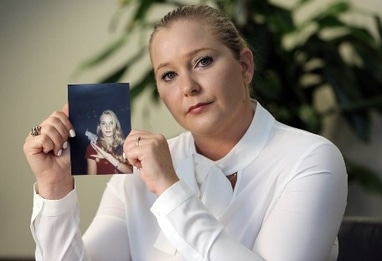
Giuffre was laid to rest at her Neergabby property. While the official coroner’s determination has not been publicly detailed, the released correspondence suggests that at least some within her circle believed her death to be self-inflicted.
The broader context remains complex. The FBI has previously disputed elements of Giuffre’s allegations, stating in internal memoranda that aspects of her accounts were “sensationalized if not demonstrably inaccurate characterizations of her experiences.” At the same time, her advocacy and civil lawsuits were widely credited with bringing attention to systemic failures in addressing sexual exploitation.
Her death — and the accidental publication of private communications — has intensified discussion about the emotional toll borne by survivors who step forward publicly. For supporters, Giuffre was a courageous voice who confronted powerful figures. For critics, certain claims remained contested.
In the absence of a fully public coroner’s ruling, the newly surfaced emails add another layer to an already tragic and complicated story.


