Vertical ridges on the nails are extremely common, particularly with aging. In many cases, they are harmless and simply reflect natural changes in nail growth over time. However, when ridges become more pronounced, nails turn brittle, or you notice changes in thickness or color, nutrition may be playing a role.
Nails are living tissue at the base, and what you eat directly affects how strong and smooth they grow. If you’re looking to improve nail strength naturally, focusing on the right nutrients can make a meaningful difference.
Here’s what to prioritize in your diet for healthier, stronger nails.
1. Protein: The Structural Core of Nails
Nails are composed primarily of keratin, a structural protein. When protein intake is too low, nails can become fragile, thin, and more prone to ridging or splitting.
Including high-quality protein throughout the day supports steady keratin production.
Strong sources include:
-
Eggs
-
Lean poultry
-
Fish
-
Greek yogurt
-
Beans and lentils
-
Tofu
Try to incorporate a protein source into every meal. Consistency matters because nails grow slowly and require ongoing nourishment.
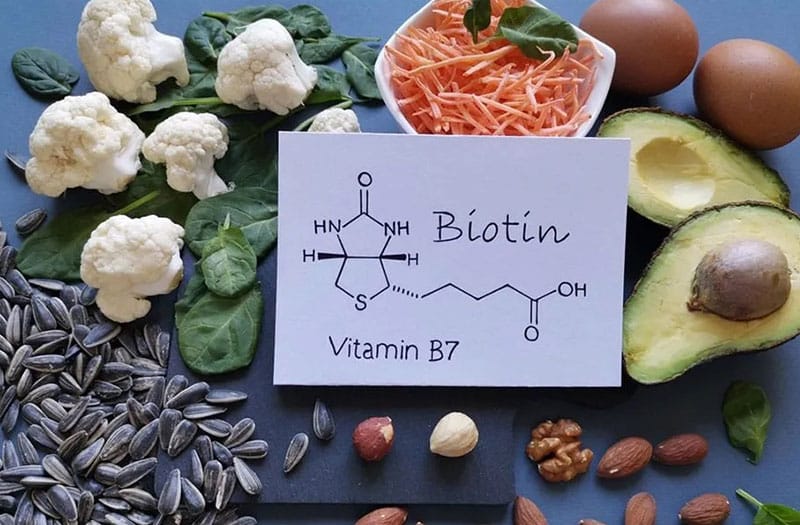
2. Biotin (Vitamin B7): Supporting Thickness and Strength
Biotin is widely recognized for its role in nail health. Research suggests it may help improve brittle nails, though many people can meet their needs through food rather than supplements.
Food sources rich in biotin include:
-
Fully cooked eggs
-
Almonds and walnuts
-
Sweet potatoes
-
Spinach
-
Salmon
Biotin helps support keratin infrastructure, potentially improving nail thickness and reducing fragility-related ridges.
3. Iron: Preventing Weakness and Grooving
Iron deficiency doesn’t automatically cause vertical ridges, but it can lead to thin or spoon-shaped nails in more severe cases. If nail weakness appears alongside fatigue, pale skin, or shortness of breath, it may be worth discussing iron levels with a healthcare provider.
Iron-rich foods include:
-
Lean red meat
-
Chicken thighs
-
Lentils
-
Chickpeas
-
Pumpkin seeds
-
Dark leafy greens
For plant-based iron, pair with vitamin C sources like citrus fruits or bell peppers to improve absorption.
4. Zinc: Essential for Growth and Repair
Zinc plays a key role in cellular growth and tissue repair. A deficiency can contribute to nail irregularities, including ridges or white spots.
Good dietary sources include:
-
Oysters
-
Beef
-
Cashews
-
Sunflower seeds
-
Whole grains
Because the body does not store zinc efficiently, steady intake is important.
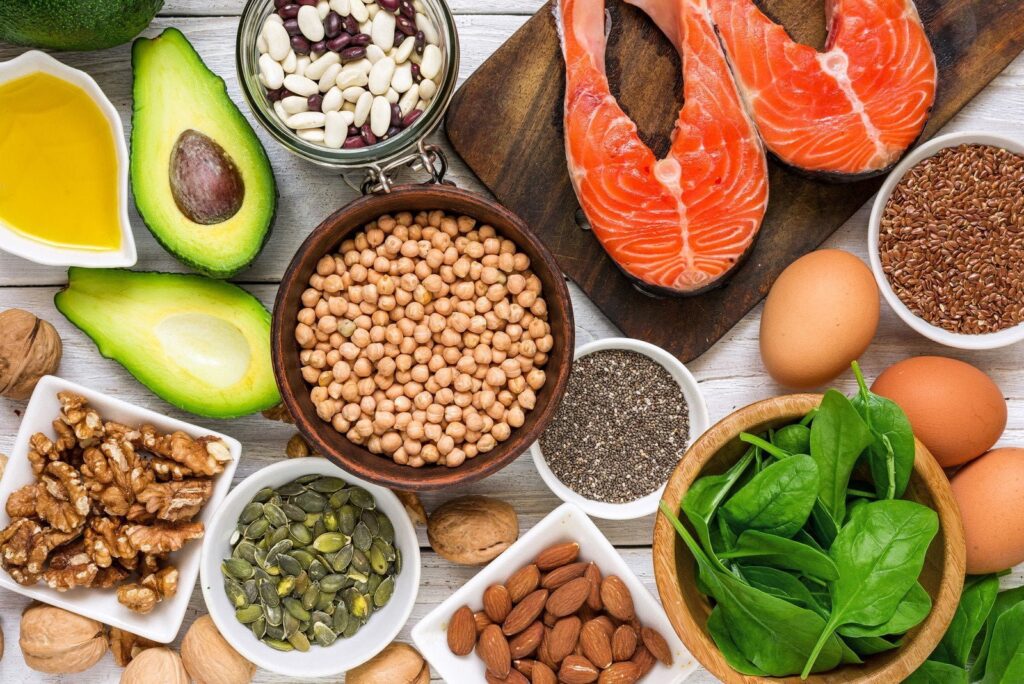
5. Omega-3 Fatty Acids: Reducing Dryness and Brittleness
Dry nails tend to highlight ridges more visibly. Omega-3 fatty acids help maintain moisture in the nail bed and support circulation, allowing nutrients to reach the nail matrix more effectively.
Include:
-
Fatty fish such as salmon, sardines, and mackerel
-
Chia seeds
-
Flaxseeds
-
Walnuts
Healthy fats improve flexibility and reduce the likelihood of cracking or splitting.
6. Hydration: The Often-Overlooked Factor
Dehydration can worsen nail dryness and exaggerate ridging. Drinking adequate water daily supports elasticity in both skin and nails.
Hydrating foods such as cucumbers, oranges, and watermelon can also contribute to overall fluid intake.
When to Seek Medical Advice
While dietary improvements can strengthen nails over time, some nail changes require professional evaluation. Deep horizontal grooves (known as Beau’s lines), dark streaks, sudden discoloration, or pain should not be ignored. These signs may reflect underlying health issues rather than simple nutrient deficiencies.
The Takeaway
Vertical nail ridges are usually harmless, especially with age. However, nutrition plays a significant role in nail resilience and appearance.
Prioritize:
-
Adequate protein
-
Biotin-rich foods
-
Iron
-
Zinc
-
Omega-3 fatty acids
-
Proper hydration
Most importantly, allow time for results. Nails grow slowly, and visible improvement can take several months of consistent healthy habits.
With steady nourishment and balanced nutrition, smoother and stronger nails are entirely achievable from within.
More From Daily Positive
 Erika Kirk mouthed three words after being recognized by Donald Trump at State of the Union address
 Viewers spot odd details In Erika Kirk’s appearance at State of the Union
 BE CAREFUL, if you get these bumps on your body, it means you have ….
 My Aunt Tried to Evict Me from My Grandpa's Farm Right After He Died – but the Lawyer Said One Sentence That Made Her Go Pale
 Donald Trump’s 5-word swipe at Melania during State of the Union address has everyone talking
 All the grim things found inside Jeffrey Epstein’s abandoned “Lolita Express” plane