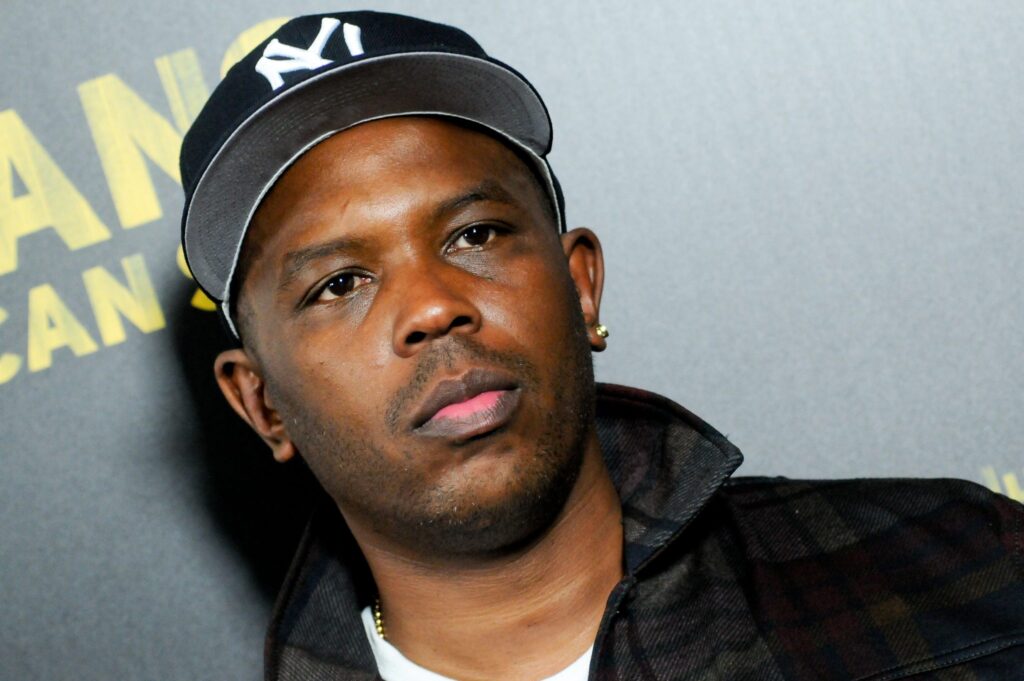
The hip-hop community is mourning the loss of Oliver Power Grant, a founding force behind Wu-Tang Clan, who has died at the age of 52.
The Staten Island collective shared the heartbreaking news on social media Tuesday, February 24, confirming that Grant passed away the day before. His cause of death has not been publicly announced.
A Foundational Figure Behind Wu-Tang’s Rise
Born on November 3, 1973, in Jamaica and raised in Staten Island’s Park Hill Projects, Grant was part of the tight-knit circle that would go on to change hip-hop history. Though not one of the performing MCs, he was instrumental in shaping the group’s direction and long-term vision.
Wu-Tang Clan, formed in the early 1990s, would grow into one of the most influential hip-hop collectives of all time. Grant helped guide the nine founding members — including artists like Method Man and GZA — as they transformed from local talent into a global movement.
Following news of his passing, tributes poured in from fellow members. Method Man shared an emotional message on Instagram, writing, “Paradise my Brother safe Travels!!”
GZA also reflected on Grant’s importance, posting a photo of them together and noting that Wu-Tang “wouldn’t have come to fruition without Power,” calling his death “a profound loss.”
Beyond Music: The Birth of Wu Wear
Grant’s influence extended far beyond studio sessions and tour buses. In 1995, he founded Wu Wear, a streetwear clothing brand that became a pioneering force in hip-hop fashion.
At a time when few rap artists had established independent fashion labels, Wu Wear broke new ground. The brand expanded rapidly, opening stores in major cities such as Los Angeles and Atlanta. Eventually, retailers like Macy’s began carrying Wu Wear, helping it reach fans nationwide.
In a 2001 interview with Passion of the Weiss, Grant reflected on the entrepreneurial spirit behind the movement.
“Wu Wear was pretty much like our entry in the fashion biz. But before I was in Wu Wear, I was making and marketing the first Wu records with RZA. Everything that we learned was hard-knock life. You figure it out as you go along and take cues from those that are actively doing things … A lot of it was trial and error. There were no models.”
His words captured the independent mindset that defined Wu-Tang’s rise — building something original without a blueprint.
Cultural Impact and a Historic Moment
Wu-Tang Clan’s influence stretched beyond chart success. Their gritty lyricism, business model, and branding reshaped hip-hop culture. For many fans, Wu-Tang became more than music — it was identity, style, and philosophy.
Grant once summed up the driving force behind their success in a clip shared by the group:
“Either you’re inspired, or you’re desperate. Everybody was hustling. Our main money maker was the music, then the touring, then the brand.”
The timing of his passing adds a layer of poignancy. Just one day before the news of his death, Wu-Tang Clan received its first nomination for induction into the Rock & Roll Hall of Fame for the Class of 2026. If inducted, they would join hip-hop icons such as The Notorious B.I.G. and Outkast.
For a group that once fought to be recognized on its own terms, the nomination marked another milestone in an already historic legacy.
Remembering Oliver “Power” Grant
Though he may not have stood center stage with a microphone, Oliver “Power” Grant’s role in Wu-Tang Clan’s rise was foundational. He helped architect a vision that blended music, fashion, business, and culture into a unified force.
At 52, his life was cut short, but his impact endures — in albums, in streetwear, in the entrepreneurial blueprint he helped establish for artists who followed.
The music world has lost a builder, a strategist, and a quiet architect of one of hip-hop’s most powerful movements.
Rest in peace, Oliver “Power” Grant.
More From Daily Positive
 Lip reader reveals four-word remark Barron made to Ivanka during Donald Trump’s State of the Union speech
 My MIL Cut My Daughter's Long Hair While I Was at Work Because It Was 'Too Messy' – I Didn't Confront Her, but the Next Day She Woke Up to a Scene She Will Never Forget
 I Went to the Hospital to Care for My Son After He Broke His Leg – Then the Nurse Slipped Me a Note, 'He's Lying. Check the Camera at 3 a.m.'
 My husband married someone else using my money, but when he returned from his “honeymoon,” he discovered I had already sold the mansion where he planned to live with his mistress. | They thought they could use me for my fortune, until they returned from their secret wedding and realized they didn’t have a single key or a penny to their name.
 “Dad Said It Wouldn’t Hurt… But It Does” — The Teacher Noticed The Little Girl’s Stiff Walk And Sudden Fainting, And What She Discovered Raised A Troubling Question At Home
 After ten years of marriage, I want everything to be split fairly… even now, it still matters. Ten years is not a small thing.