Rising Global Tensions Spark Conversations About Emergency Preparedness
Concerns about global stability have intensified as tensions involving the United States, Israel, and Iran continue to dominate international headlines. The situation has fueled anxiety in many parts of the world, with some commentators warning that escalating conflicts could trigger a broader geopolitical crisis.
While the long-term outcome of current tensions remains uncertain, experts and government agencies in several regions have begun emphasizing the importance of basic emergency preparedness.
Escalating Rhetoric and Growing Global Concerns
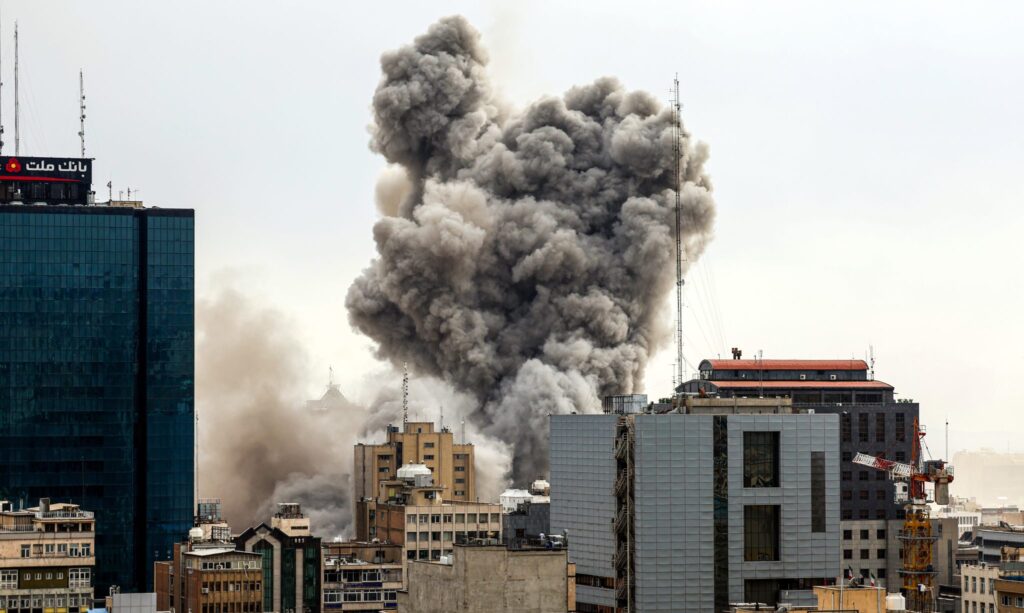
The conflict intensified after reports of major strikes involving Iran and its leadership. According to various international reports, the death of Ali Khamenei in a joint military operation sent shockwaves through global diplomatic circles.
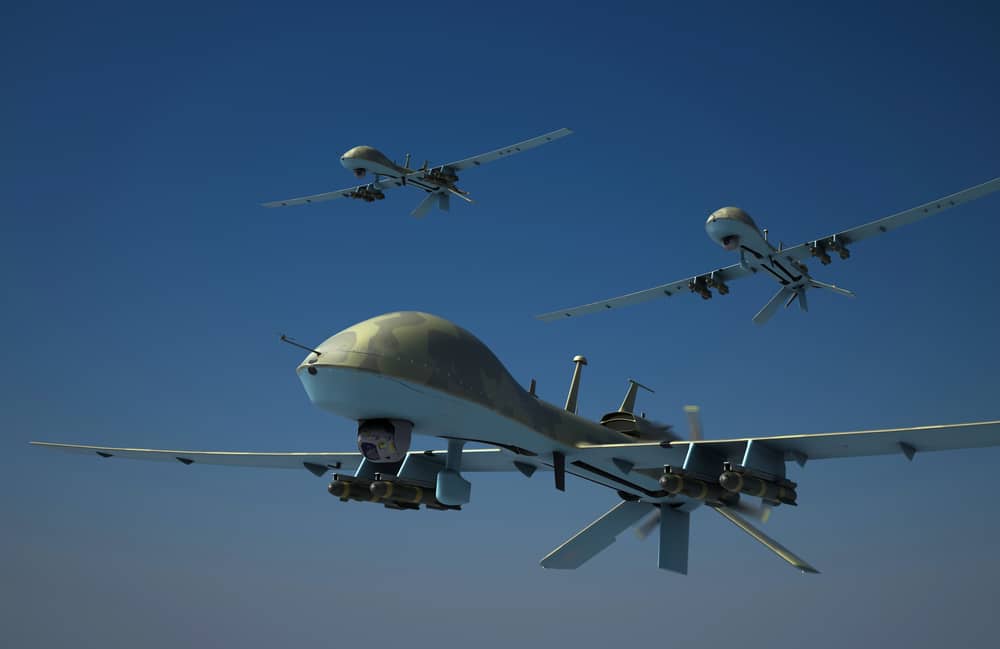
Iran responded with missile and drone attacks targeting countries seen as close allies of Washington.
Amid the escalating rhetoric, Donald Trump suggested that the conflict might not yet have reached its most intense phase.
“We haven’t even started hitting them hard. The big wave hasn’t even happened. The big one is coming soon.”
These remarks have heightened fears among observers already watching multiple global flashpoints, including the war between Russia and Ukraine, ongoing tensions between China and Taiwan, and regional conflicts elsewhere.
Political theorist Aleksandr Dugin, sometimes described as an influential ideological voice in Moscow, recently argued that the world may already be entering the early stages of a global confrontation.
However, many analysts caution that such statements represent political rhetoric rather than confirmed military escalation.
The “72-Hour Self-Sufficiency” Strategy
In response to potential crises — ranging from natural disasters to armed conflicts — governments across Europe have encouraged citizens to maintain basic emergency supplies.
Hadja Lahbib has repeatedly advised households across the European Union to prepare for at least 72 hours of self-sufficiency during emergencies.
Her suggested emergency kit includes:
-
Bottled water and non-perishable food
-
Important documents stored in waterproof containers
-
Flashlights and spare batteries
-
Fire-starting tools
-
Cash for emergencies
-
A multi-tool or Swiss Army knife
-
Basic medications and first-aid supplies
-
Small comfort items such as cards or games
The goal of the strategy is not to encourage panic but to ensure households can remain self-reliant if services such as electricity, transportation, or communication systems are temporarily disrupted.
Lessons From Scandinavia’s Preparedness Plans
Several Nordic countries have long maintained public preparedness programs.
Governments in Sweden, Finland, and Norway have distributed informational pamphlets advising citizens how to respond during national emergencies.
For example, Sweden has issued a detailed guide explaining what households should do in situations ranging from power outages to military attacks. The guide includes practical instructions such as sealing windows and doors to prevent contaminated air or dust from entering buildings.
“During attacks in which nuclear, chemical or biological weapons are used, take cover as you would during an air raid.”
Shelter Can Be More Important Than Escape
Experts in radiation detection and emergency response say that immediate evacuation may not always be the safest option during certain crises.
Arnab Basu has noted that in the event of a nuclear incident, survival often depends more on shielding and minimizing exposure than on rapid escape.
“Survival depends less on fleeing and more on shielding yourself from fallout, limiting exposure, and relying on stored resources until radiation levels drop.”
This advice highlights the importance of having supplies that allow families to remain safely indoors for an extended period if necessary.
Key Emergency Supplies Recommended by Experts
Emergency planners and survival specialists often recommend a simple list of essential items that can help households respond to many types of crises — not just armed conflicts.
Common recommendations include:
-
Clean water and portable water filters
-
Non-perishable foods and energy bars
-
Flashlights and spare batteries
-
Fire-starting tools
-
First-aid kits and medications
-
Warm clothing or emergency blankets
-
Multi-tools or survival knives
-
Communication devices such as battery-powered radios
-
Important documents and emergency cash
Many experts suggest storing at least one gallon of water per person per day and ensuring access to reliable communication tools that can function even during power outages.
Preparedness Without Panic
While discussions about global conflict can understandably cause anxiety, officials stress that preparedness measures are designed to provide reassurance rather than alarm.
Emergency kits and contingency planning can help households remain calm and self-reliant during a wide range of unexpected situations — from natural disasters to infrastructure disruptions.
As one preparedness specialist summarized:
“It’s not about expecting the worst. It’s about being ready if the worst happens.”
By taking simple steps today, families can increase their resilience and peace of mind, regardless of what challenges the future may bring.
