She spent her childhood convinced she wasn’t smart.
It was a belief planted early and reinforced so often by those around her that, over time, she stopped questioning it and accepted it as truth.
Today, that label has long been replaced. She is now recognized among the 100 most influential people in the world and counted as one of the most powerful figures in entertainment.
Some childhoods are difficult—but others are defined by relentless hardship. The woman at the center of this story once believed she wouldn’t live beyond 21. Looking back, the early chapters of her life feel almost impossible to comprehend in their depth of pain and adversity.
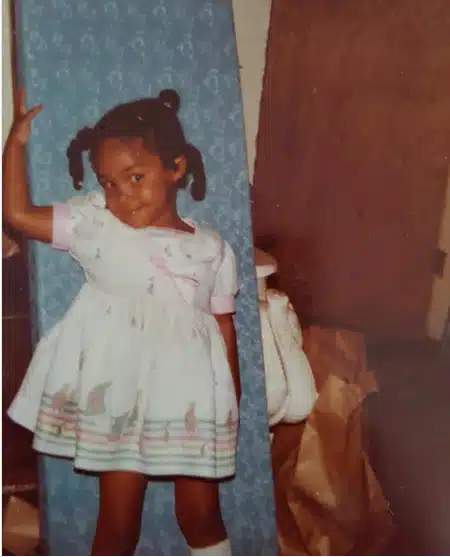
Born and raised in South Central Los Angeles, California, her childhood was filled with turmoil and heartbreak. Her father left the family when she was only three.
Her mother, Leola, was an African-American small business owner from a Jehovah’s Witness family. Unfortunately, the mother’s life — and everything that happened to her — would have an enormous impact on our future celebrity.
”When I was a kid and I was moving around, all my stuff had to be in trash bags, and moving like that is not good for the self-esteem because it [makes] you feel like garbage that can easily be transported to here or there,” the star told Variety.
Instagram
”You start thinking of yourself as such, as garbage. That was the worst feeling in the world personally.”
By the time our star was nine, her mother had been in a serious car accident that left her with brain damage. Struggling to regain basic skills, her mother sometimes directed her frustration and anger toward her eldest child.
The mother became quick-tempered, abusive and violent.
Diagnosed with schizophrenia
By the time she reached high school, the future award-winning actress still hadn’t learned to read. Not because she lacked the ability, but because no one had ever properly taught her.
“Everybody’s telling me you’re stupid – my stepdad, my mom, grandma,(…) So, I believed I was stupid and I can’t read and I can’t do these things because I’m stupid,” she shared.
Then a teacher stepped in, seeing past the label and starting private lessons. Slowly, she began to catch up, a small but crucial victory in a childhood that was anything but easy.
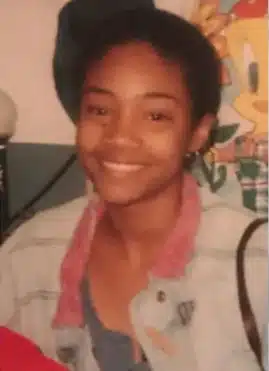
“That was kinda cool to be nominated for a Grammy for reading out loud when I couldn’t read at one point in time in my life when I was in my teens,” she once said.
“I was told every day I’d never be nothing,” she recalled. “Now I look in the mirror and say, ‘[Her name], I love and approve of you.’ It was all worth it.”
Eventually, her mother was diagnosed with schizophrenia and institutionalized, leaving her children in foster care, separated from siblings, and forced to navigate a world they were unprepared for.
“I was basically a 10-year-old mom,” she said bluntly, describing how she cared for her siblings and herself. Group homes weren’t much better.
“It was more like prison. My comedy skills came in real handy. I thought that if I made these girls laugh they wouldn’t beat me up. But bully girl said, ‘Ahh b***h, we still going to beat your ass … but you funny.’”
Laughter became her shield
Her trauma didn’t end there. During her time in foster care, she was molested, and at 17, she was raped by a police cadet.
“I’m glad he didn’t kill me or anything but that was really traumatizing and really messed me up for a long time,” she said.
Yet, it was comedy that became her lifeline. A social worker offered her a choice: therapy, or a comedy workshop. She chose comedy.
From that choice, her life transformed. Laughter became her shield, her voice, and eventually her career. She fought her way into stand-up, then acting, landing a breakout role in 2017 that would change everything.
Instagram
Her performance in Girls Trip earned her widespread acclaim and even landed on The New Yorker’s list of the best film performances of the 21st century.
Even after achieving fame, she never forgot the struggle.
Before success, she was homeless, sometimes living in her car, scraping together tuition, and couch-surfing wherever she could.
“I look at this picture and want to cry tears of joy for this Girl. I remember that night. She was homeless, hungry, scared, and hurt. I promised her if she kept faith in God and Herself, We will get to a place where we will be Housed, Over Fed, Less Hurt and Fear Free.”
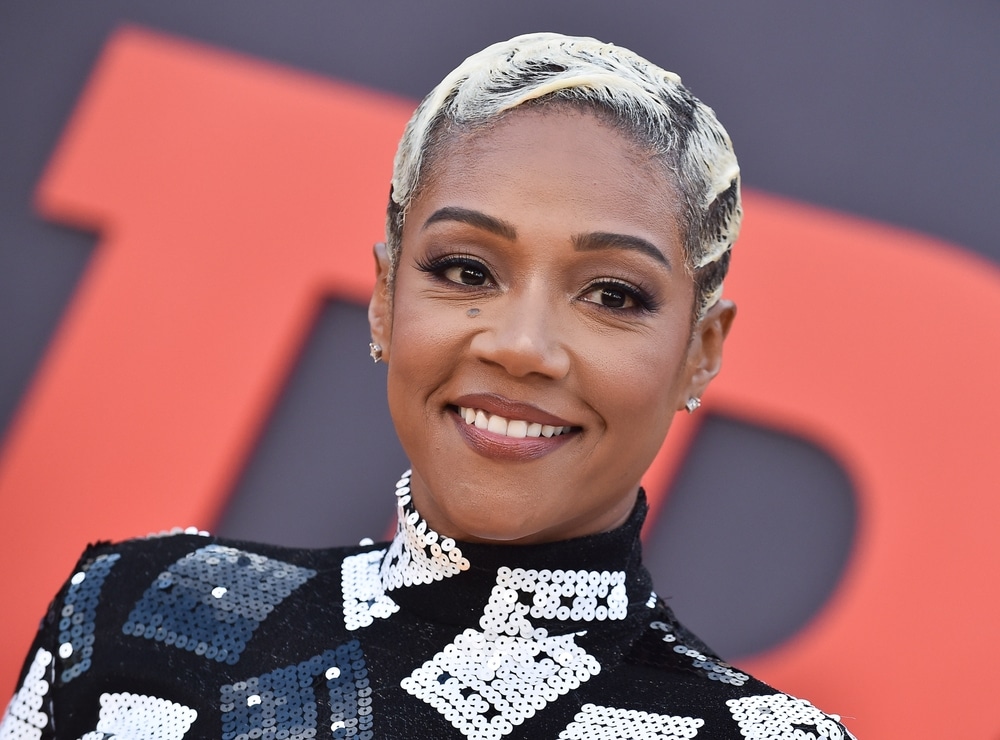
Why she was called a dirty unicorn
She faced setbacks along the way — difficult relationships, legal troubles, and moments of public embarrassment — but never lost her resilience.
“I know I’m crazy. … I always try to think of ways to get revenge without going to jail,” she once admitted about a quirky act of revenge on a cheating ex.
Her experiences with bullying also shaped her career.
“I’m fixing to take all the mean stuff [those] bullies used to say about me and I’m going to make money off it,” she quipped.
The childhood nickname “dirty unicorn” became part of her bestselling memoir, a testament to how she turned pain into power.
”I used to get picked on at school a lot,” she said. ”What I thought was a mole was a wart. I had a wart growing out of my forehead and it kind of looked like a horn and kids used to call me a dirty unicorn. It used to hurt my feelings really bad and I did things to myself that I probably shouldn’t have.”
Along the way, she met and bonded with iconic figures — from Oprah Winfrey, whose farm she dreamed of tending, to Barbra Streisand and Taylor Swift —embracing mentorship, friendship, and collaboration.
Made history
She also made history as the first Black female stand-up comedian to host Saturday Night Live, a milestone that reflected her rise from obscurity to prominence.
In 2021, she became the second black woman ever to win a Grammy for “Outstanding Comedy Album” and the first since Whoopi Goldberg won in 1986.
But through it all, she never forgot her mission: to inspire those who have been told they’re not enough. To show that trauma, abuse, and neglect do not define your future.
After years of struggle, she now lives a life many admire. She’s in a loving relationship, thriving in Hollywood, and using her platform to advocate for women and survivors everywhere.
Her story proves that even in the darkest beginnings, laughter, courage, and determination can carve a path to greatness.
Her name is Tiffany Haddish.
