There’s a very specific kind of frustration that comes with avocados. You wait patiently for days, checking them on the counter, pressing lightly until they finally feel just right. Then, the moment comes—you slice it open, expecting that smooth, buttery green interior. Instead, you find thin brown strings running through the flesh, turning what should have been perfect into something disappointing.
It’s enough to make anyone question whether the fruit is still worth eating.
To understand what’s going on, it helps to step back and look at what an avocado actually is. Botanically, the avocado—Persea americana—is a large berry with a single seed. While it’s often treated like a vegetable in everyday meals, it’s technically a fruit, and like many fruits, its internal structure changes as it matures and ages.
Those stringy fibers you sometimes see are part of the fruit’s vascular system. Think of them as tiny channels that once helped transport water and nutrients while the avocado was growing on the tree. Under ideal conditions, they remain soft and barely noticeable. But when something affects the fruit—whether during growth, storage, or ripening—those fibers can become more pronounced and visible.
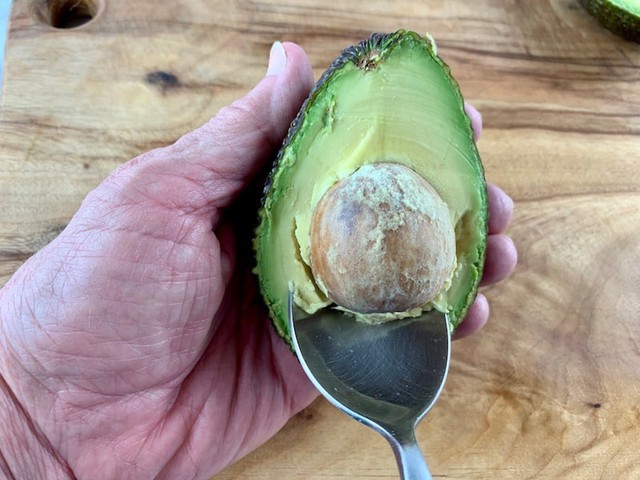
One of the most common reasons for stringiness is over-ripening. As the avocado continues to soften beyond its peak, its internal structure begins to break down unevenly. The flesh may still look green in places, but the fibers stand out more, often appearing brown or slightly tough.
Another factor is the variety of avocado itself. Some types naturally develop more fibrous textures than others. Even within the same variety, growing conditions—like inconsistent watering or temperature stress—can influence how the fruit develops internally.
Storage also plays a role. If an avocado has been kept too long, exposed to fluctuating temperatures, or transported over long distances, its texture can suffer. Since many people rely on imported avocados, especially in regions where they aren’t locally grown, the fruit may already be partway through its ripening process before it even reaches the kitchen.
So, does stringiness mean the avocado has gone bad?
Not necessarily.
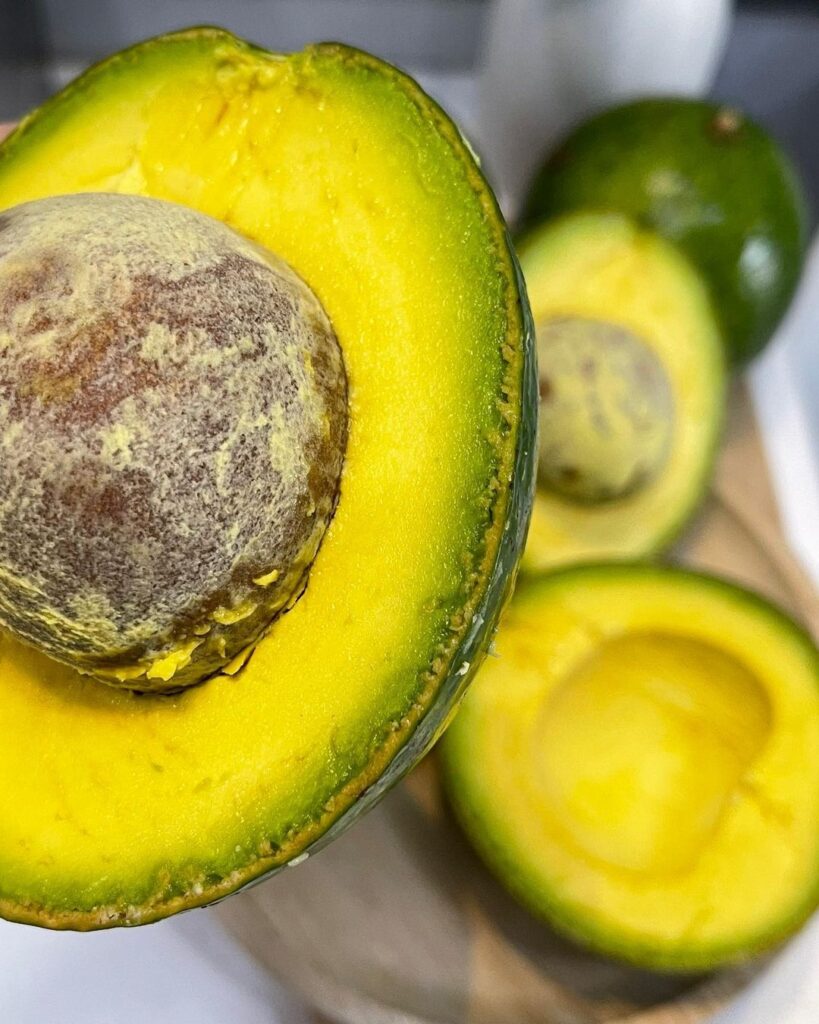
If the fruit smells fresh and the flesh is mostly green, it’s usually still safe to eat. The texture might not be ideal—slightly chewy or fibrous—but it isn’t harmful. However, if the avocado has a strong off smell, large dark patches, or a mushy, uneven consistency, it’s a better sign that it has passed its prime.
For those trying to avoid the issue altogether, there are a few practical tips. Choosing avocados that are firm but not rock-hard gives you more control over the ripening process. Letting them ripen at room temperature and then refrigerating them once they’re ready can help preserve their texture. And when possible, selecting varieties known for creamier flesh can make a noticeable difference.
In the end, those brown strings are less of a warning sign and more of a reminder that avocados are natural, variable foods. They don’t always ripen perfectly, and sometimes they fall short of expectations.
Still, even a slightly imperfect avocado can be used—mashed into guacamole, blended into a spread, or mixed into dishes where texture matters less than flavor. It may not be the ideal slice for toast, but it’s rarely a total loss.
More From Daily Positive
 I waited forty-four years to marry the girl I’d loved since high school, believing our wedding night would be the start of forever.
 Tomato consumption can produce this effect on the body, according to some studies
 My dad disowned me by text the day before my graduation because I didn’t invite his new wife’s two children. My mother, brother, and three aunts all took his side. Ten years later,
 Fans Say Marlo Thomas 'Destroyed' Her Beauty with Surgery: How She Would Look Today Naturally via AI
 Police reveal horrifying discovery in house where Shamar Elkins killed his seven children and their cousin
 Donald Trump ”locked out of situation room” during critical mission due to inappropriate behavior