The U.S. Supreme Court has temporarily halted a lower court’s ruling that would have required the Trump administration to release nearly $2 billion in foreign aid payments by midnight Wednesday. This decision grants the administration additional time to assess the funds for potential fraud and abuse, a point of contention that has sparked legal battles between the federal government and aid organizations.
The dispute originates from President Donald Trump’s directive to freeze foreign aid payments for a 90-day period, a move that prompted immediate backlash from humanitarian and development groups that rely on U.S. funding. The freeze affected financial assistance distributed through the U.S. Agency for International Development (USAID), which supports programs addressing global poverty, disaster relief, and economic development in various nations.
Several aid groups filed lawsuits challenging the freeze, arguing that the administration lacked the authority to withhold congressionally approved funds. They contended that the move violated the Impoundment Control Act, a law designed to prevent the executive branch from unilaterally withholding or redirecting funds allocated by Congress. U.S. District Judge Amir Ali ruled in favor of the plaintiffs, determining that the freeze was unlawful and ordering the administration to immediately disburse the funds.
The Justice Department swiftly appealed the decision, cautioning that an abrupt release of the aid payments could lead to financial instability and increase the risk of fraud. In their request to the Supreme Court, government attorneys argued that the administration needed time to properly review and verify the use of the funds before distributing them. The Trump administration has maintained that its freeze was necessary to ensure that taxpayer dollars are not being misused or funneled into corrupt programs.
On Wednesday, the Supreme Court issued a brief order temporarily blocking Judge Ali’s ruling, allowing the administration to maintain the freeze while the legal battle continues. The Court did not provide any commentary on the merits of the case but directed all involved parties to submit additional responses by Friday, signaling that the justices may consider the issue further before issuing a final ruling.
The Trump administration’s decision to delay foreign aid payments has drawn both praise and criticism. Supporters argue that the freeze is a necessary measure to ensure that U.S. assistance is being used efficiently and in the best interest of American taxpayers. They cite concerns about corruption in certain recipient countries, as well as the need for greater oversight of international aid programs.
Critics, however, view the move as a politically motivated effort to exert greater control over Congress’s spending authority. Many lawmakers, including members of both parties, have expressed concerns that withholding the funds sets a dangerous precedent by allowing the executive branch to override congressional decisions on budget allocations. Some have also argued that the freeze undermines U.S. diplomatic efforts and weakens American influence in global affairs.
The controversy surrounding the foreign aid freeze comes at a time when international humanitarian needs are growing, with conflicts, climate change, and economic instability exacerbating crises in various regions. Aid organizations have warned that prolonged delays in funding could disrupt critical programs, including food assistance, health services, and emergency relief efforts.
As the Supreme Court reviews the case, legal experts suggest that the justices will have to weigh executive authority against congressional power in budgetary matters. The outcome of this dispute could have significant implications for future administrations and their ability to unilaterally withhold federal funds.
For now, the fate of the $2 billion in USAID funds remains uncertain, with both sides awaiting further action from the Supreme Court. In the coming days, the justices’ decision on whether to extend the freeze or allow the funds to be released will shape the broader debate over presidential control of foreign aid distribution.
Keep the Music Going
 Thing you should do right now as $2,000 Trump promised could be hitting your bank account very soon
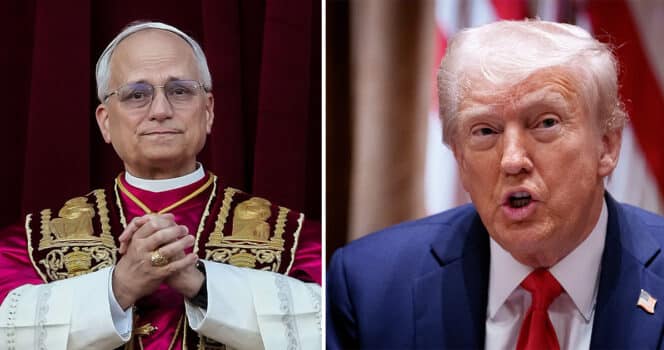 Here’s why US-born Pope Leo will not visit America while Trump is president
 Psychologist reveals alarming message Donald Trump hid in shocking threats to Iran
 Elon Musk’s daughter makes accusation against Donald Trump
 Mary Mary’s Tina Campbell Faces Husband’s Filing, Igniting Reactions over Court Documents
 ‘New Nostradamus’ who foresaw Iran war makes chilling prediction about Trump