The world paused this weekend to mourn the passing of Pope Francis, a man whose life was marked by humility, compassion, and a deep devotion to the poor. Yet even in death, the traditions surrounding his farewell offered powerful symbols of faith, service, and the continuity of centuries-old rituals.
Under the towering dome of St. Peter’s Basilica, Pope Francis, born Jorge Mario Bergoglio, was laid to rest at the age of 88. His papacy, spanning 12 years, had been transformative: a bridge between tradition and reform, marked by outreach to the marginalized and a call for a more humble Church.
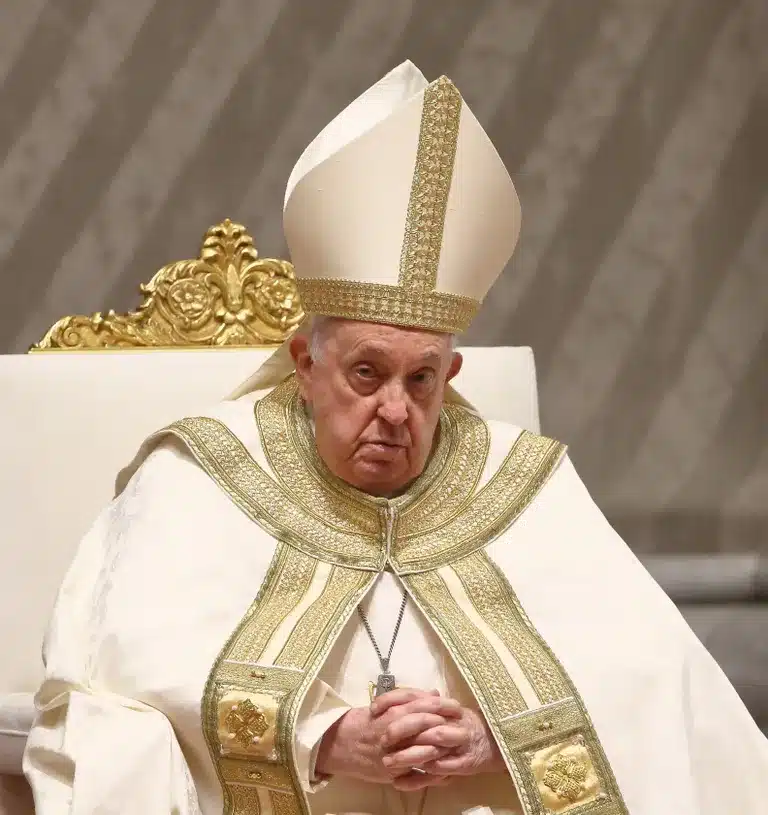
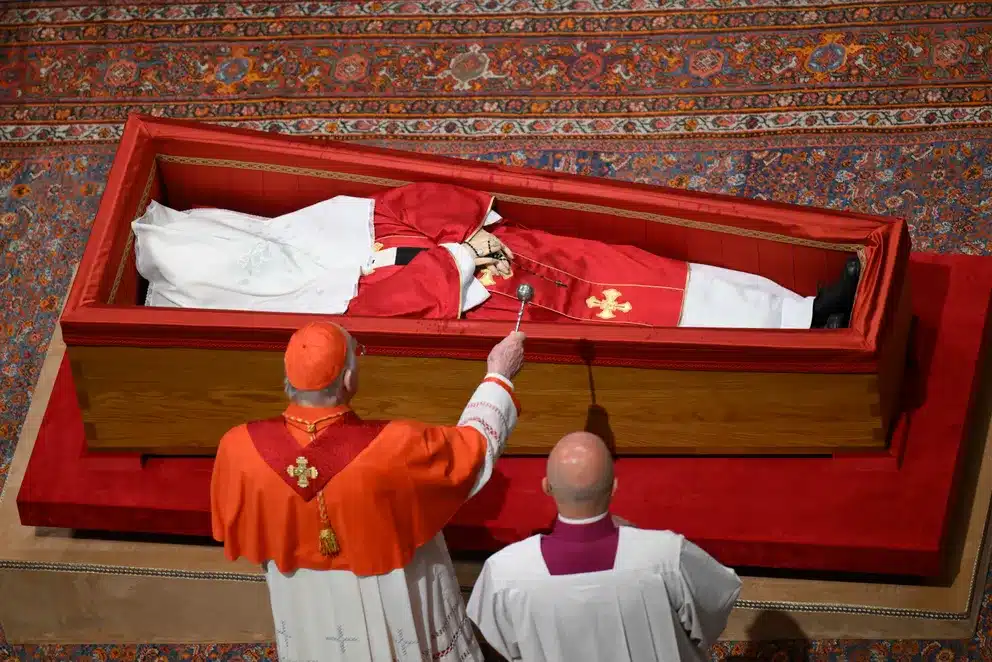
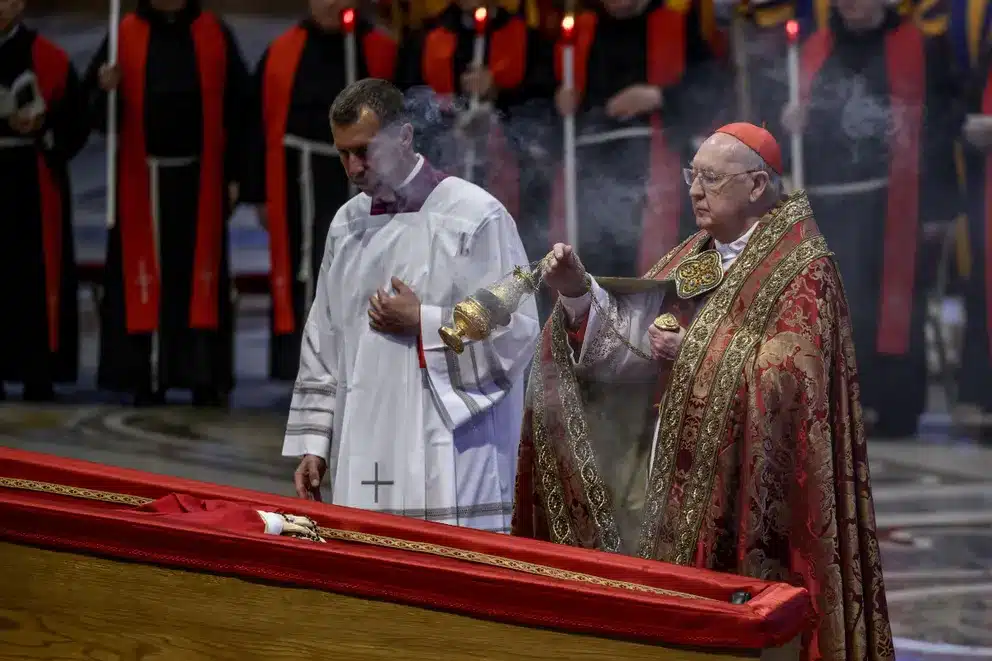
In the days following his death on Easter Monday, the Vatican moved swiftly to honor him with rites shaped by both history and his personal wishes. His body lay in state inside the basilica, dressed in a simple white cassock and red funeral vestments, symbolizing sacrifice. His coffin, made of plain oak without embellishment, rested at floor level, a gesture consistent with his lifelong rejection of grandeur.
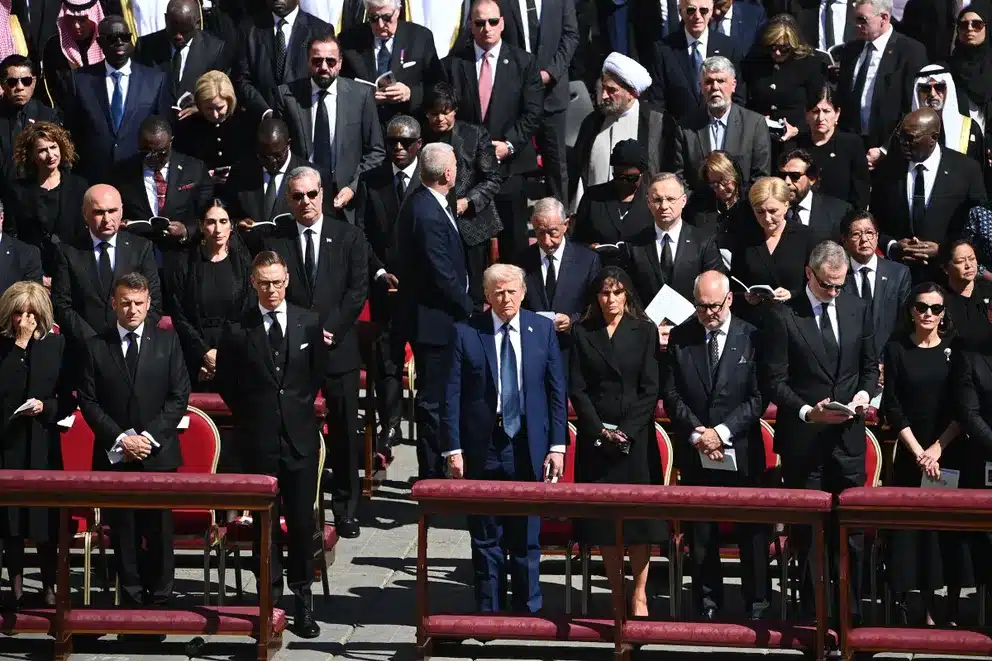
The funeral on April 26 drew over 200,000 mourners to St. Peter’s Square. Leaders from around the world gathered to pay their respects — among them U.S. President Donald Trump, British Prime Minister Keir Starmer, Ukrainian President Volodymyr Zelenskyy, and Prince William. The global outpouring reflected not just his leadership of the Catholic Church, but his moral influence far beyond its walls.
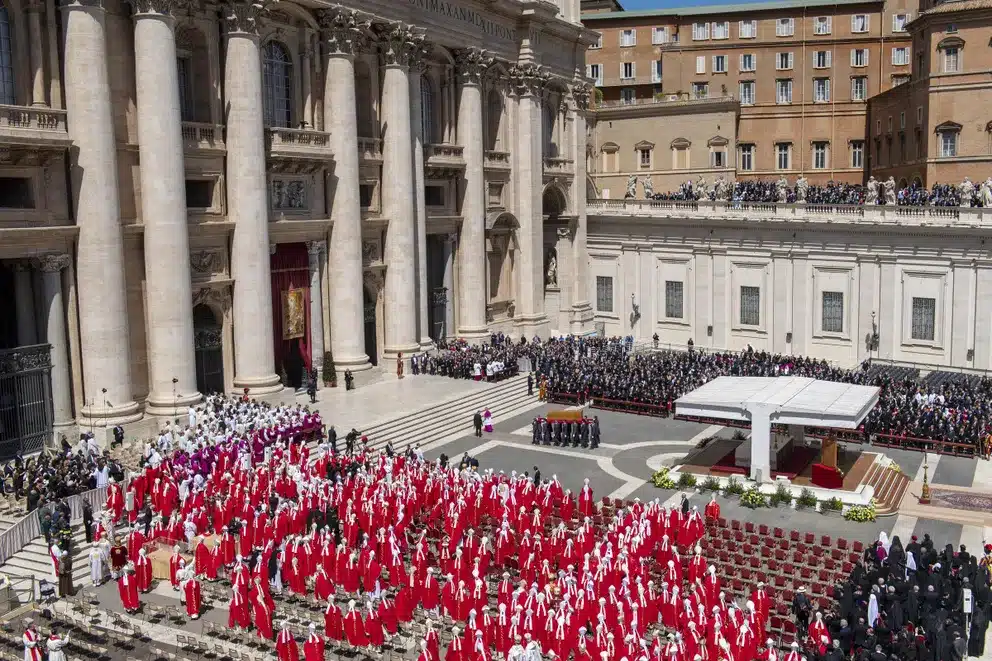
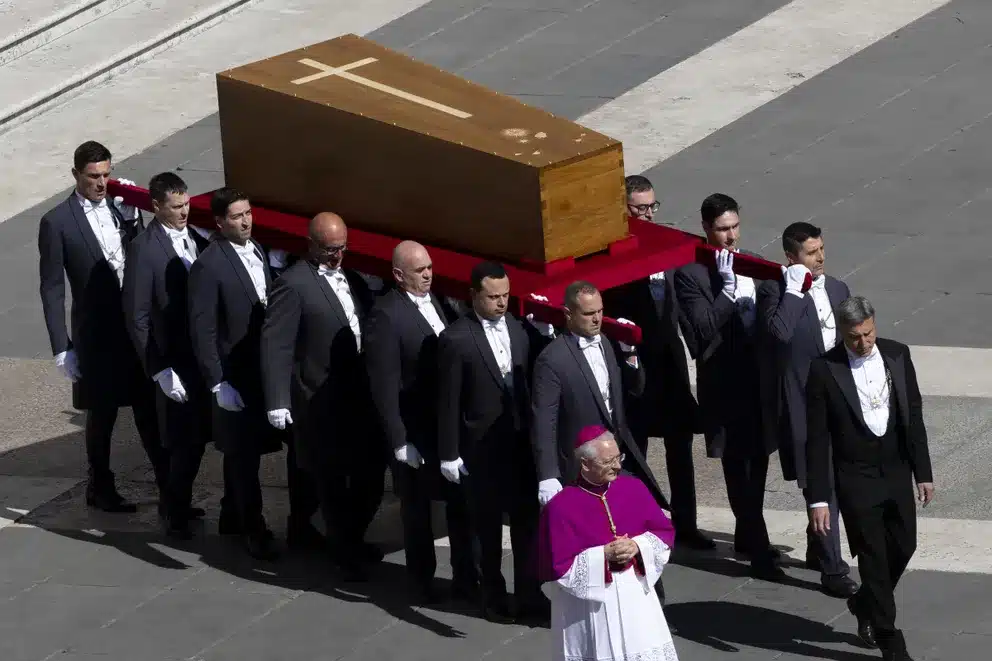
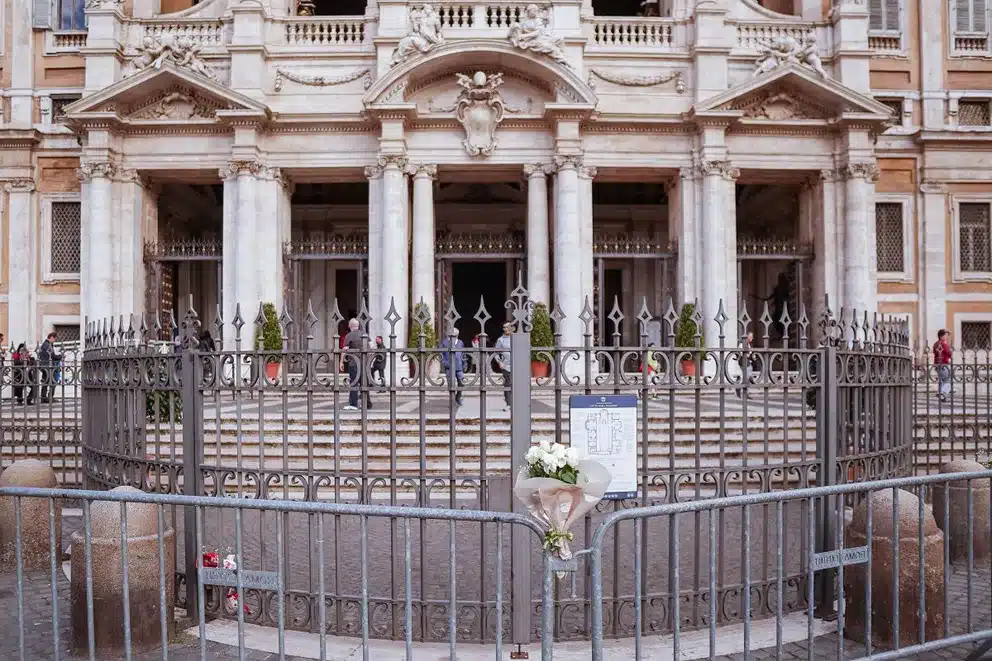
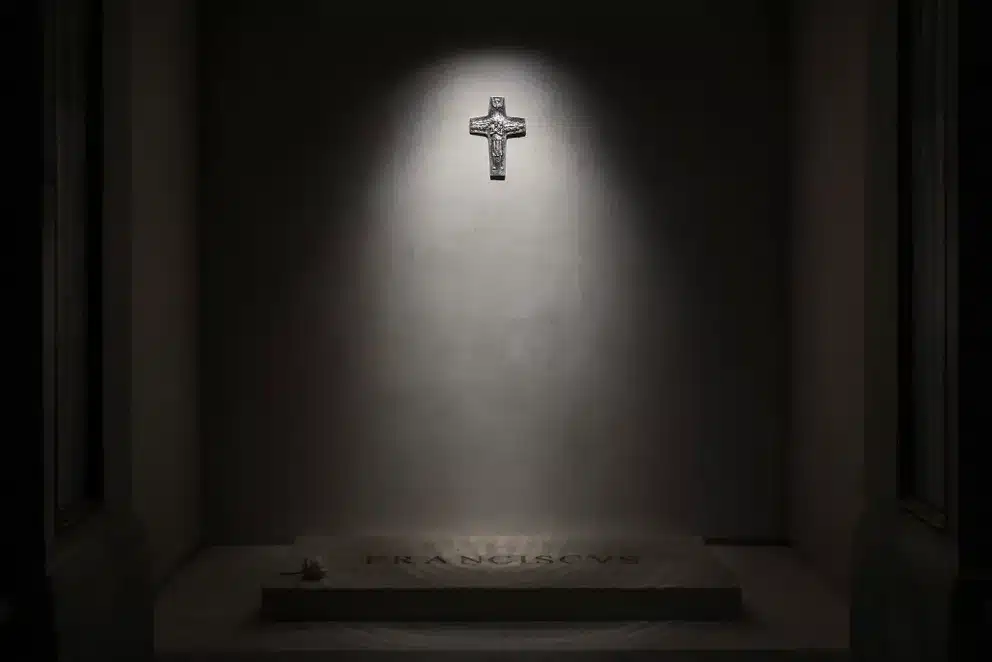
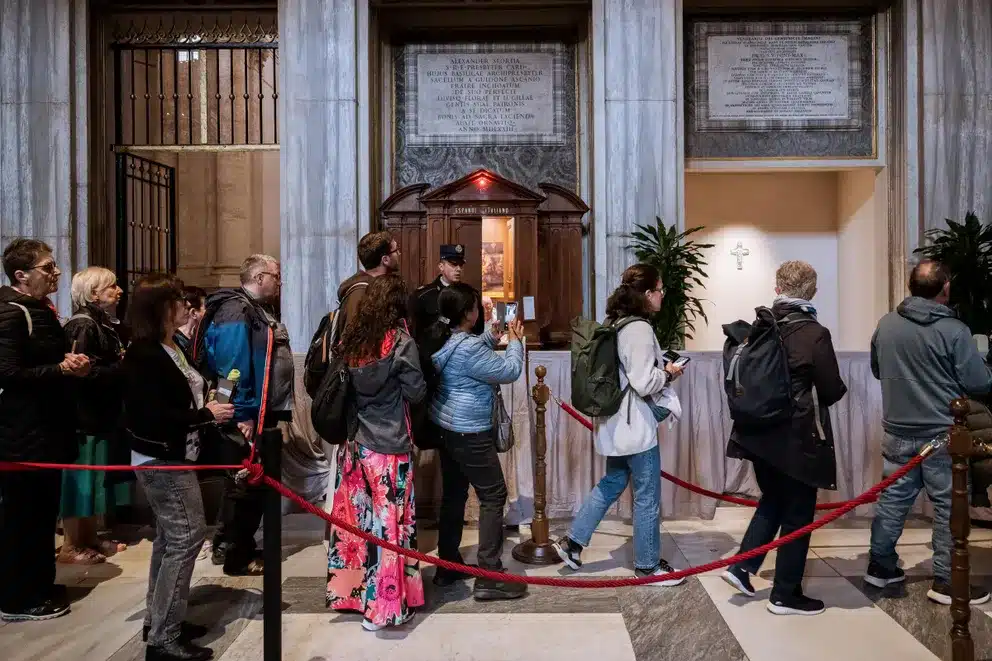
After a solemn Mass and emotional tributes, Pope Francis’ coffin traveled through Rome to the Basilica of Santa Maria Maggiore. This Marian shrine, one of his most beloved places of prayer, became his final resting place. There, in a quiet side aisle, beside a statue of Mary, Queen of Peace, Francis was laid to rest in a simple white tomb, as he had wished — close to the people, far from the ornate Vatican grottoes that had traditionally housed the popes before him.
Even as the Church honored his humility, ancient rituals surrounding the death of a pope quietly unfolded. One of the most symbolic acts was the defacing of the Fisherman’s Ring — the signet ring unique to each pope, used to seal official documents. Tradition demanded that the ring be destroyed to prevent any forgeries and to mark the end of his authority. Following the precedent set with Pope Benedict XVI’s resignation, the ring wasn’t smashed with a hammer but instead defaced with a deep cross carved into its surface, preserving the relic’s dignity while signaling the closure of Francis’ papacy.
Much attention was drawn online to myths about ancient rituals — such as the story that a silver hammer is used to confirm a pope’s death. However, historians confirmed that modern procedures, not medieval dramatics, defined Francis’ final moments. His death was formally certified by doctors, and Cardinal Kevin Farrell, the camerlengo, announced his passing in Latin before moving to secure the papal apartments and seal the late pope’s personal effects.
With Francis laid to rest, preparations quickly turned toward the future. The conclave to elect a new pope was scheduled to open on May 7, where 135 cardinals, the majority appointed by Francis himself, would gather in the Sistine Chapel. Under the gaze of Michelangelo’s frescoes, they would vote in secret, casting ballots until white smoke signaled the Church had chosen its next leader.
Yet even in this time of transition, reflections on Francis’ life lingered heavily in the hearts of the faithful. His choice of the name “Francis” — inspired by St. Francis of Assisi — spoke volumes about the values he brought to the papacy: humility, compassion, peace, and a deep concern for creation and the poor.
From the moment he was elected in 2013, he embodied those ideals. He turned away from luxury, chose simple living quarters, washed the feet of prisoners, and stood beside refugees. In life and now in death, he remained a symbol of service over status, echoing his hope for a Church that lives for the poor rather than for power.
The spontaneous applause that erupted in St. Peter’s Square as the final prayer ended captured the sentiment best: gratitude for a pope who never stopped trying to live the Gospel — and who inspired the world to follow.
More From Daily Positive
 Biden’s ‘inappropriate’ move at Pope Francis’ funeral sparks uproar
 Canada’s new prime minister issues scathing warning to Donald Trump
 Lip reader ‘reveals’ what Melania whispered to Donald Trump at Pope’s funeral
 When Awkward Moments Turn Into Unforgettable Laughter: 10 Hilarious Stories of First Impressions and Family Fumbles
 Story: Grandma and Grandpa were visiting their kids overnight
 Lip reader reveals five words Melania Trump whispered to President Trump during Vatican funeral