The Silent Weight on the Liver
Non-alcoholic fatty liver disease (NAFLD), now often referred to as metabolic dysfunction-associated steatotic liver disease (MASLD), is one of the hidden health burdens of our time. It happens when excess fat quietly builds up in the liver — often without obvious symptoms. Many only discover it through routine checkups. Behind this condition lies a web of lifestyle factors: excess weight, high blood sugar, high blood pressure, or a lack of daily movement.
The NHS notes that healthier habits can turn the tide. That’s an empowering truth — the liver has a remarkable capacity to heal if given the right environment. But the Qur’anic principle also applies: “Indeed, Allah will not change the condition of a people until they change what is in themselves” (13:11). Our bodies are amanah (a trust), and even small acts of care ripple outward.
Listening to Subtle Signals
Some people with fatty liver experience fatigue, general malaise, or discomfort beneath the right rib. Many, however, feel nothing at all — which is why neglect can be easy. But ignorance doesn’t protect us; awareness does.
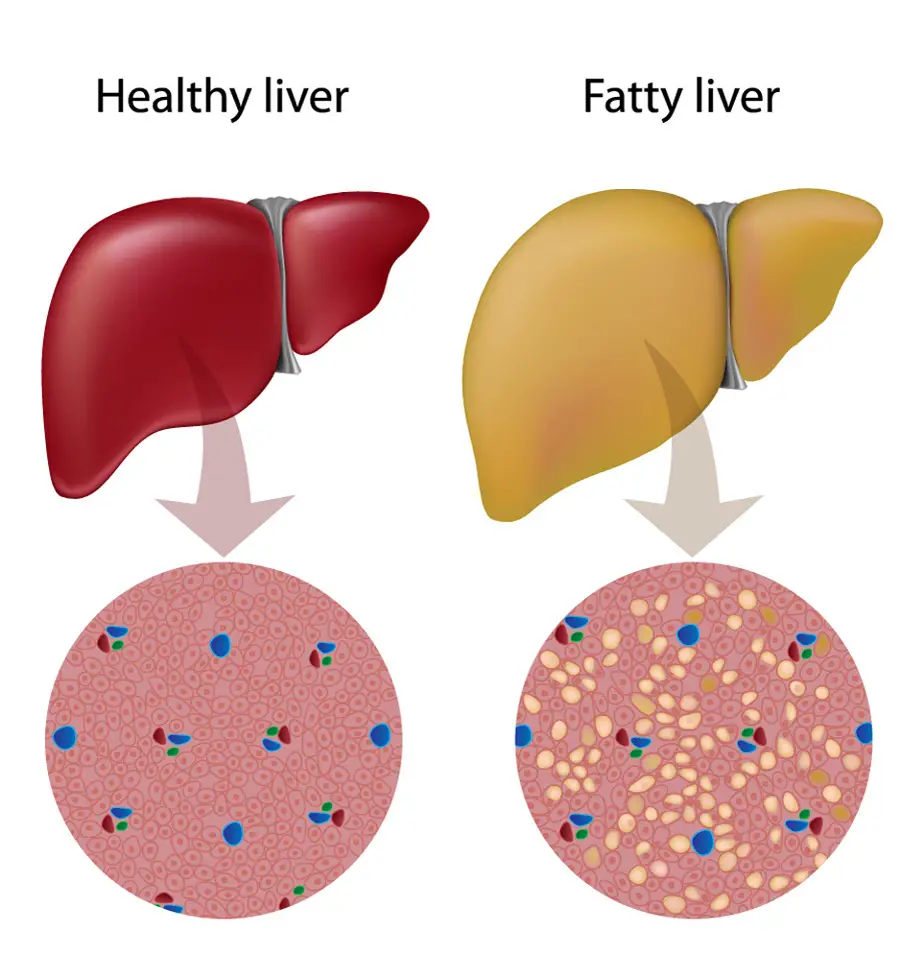
Risk increases with central obesity, type 2 diabetes, PCOS, high cholesterol, or simply crossing into one’s 50s. The modern way of life — too much sugar, too little movement, too much sitting — fans the flames. Yet just as harm compounds, so do small acts of good: studies show certain fruits, eaten consistently, can reduce liver fat by 10–15% within three months.
Three Fruits that Heal Body and Steady the Heart
1. Blueberries: Little Guardians of the Liver
Blueberries contain anthocyanins — pigments that protect liver cells, calm inflammation, and improve how the body processes fat and sugar. Imaging studies show that blueberry intake reduces liver fat in NAFLD. They also gently lower LDL (“bad” cholesterol) and improve insulin sensitivity.
But beyond molecules, they remind us: nature colors food with wisdom. Their deep hue is not just beautiful but medicinal — a sign of mercy written into creation.
How to enjoy: Add ½ cup to oatmeal, blend into a spinach-yogurt smoothie, or eat with almonds as a snack. Aim for 4–5 times per week. Avoid processed blueberry juices that strip away fiber and spike sugar.
2. Apples: Everyday Fruit, Extraordinary Friend
The humble apple, eaten with its skin, delivers pectin (soluble fiber) and polyphenols like quercetin. These bind excess fat and cholesterol in the gut, easing the load on the liver. They also blunt blood sugar spikes and improve satiety.
An apple doesn’t just keep the doctor away; it teaches steadiness. It’s not exotic, not rare, but daily discipline. The saints remind us that transformation lies in repetition, not drama — in the apple a day, not the banquet once a month.
How to enjoy: Eat one or two apples whole each day. Bake with cinnamon, grate into salads, or enjoy raw. Choose high-fiber types like Granny Smith or Fuji. Avoid sugar-heavy compotes.
3. Avocados: Healthy Fats, Steady Fire
Avocados bring monounsaturated fats, vitamin E, and fiber — a trio that reduces oxidative stress, supports mitochondrial energy, and helps the liver process fat more efficiently. Clinical research shows daily avocado intake improves insulin sensitivity and lowers LDL cholesterol.
Their richness teaches balance: nourishment without excess, satiety without overload. To eat avocado in moderation is a lesson in nafs-discipline — taking what benefits without slipping into indulgence.
How to enjoy: Eat ½ avocado on whole-wheat toast with tomato, in salads with lemon, or blended with yogurt into a dip. Aim for 3–5 times weekly. Moderation matters — half an avocado contains about 120 kcal.
A Closing Reflection
Science confirms what spiritual wisdom has long whispered: when we live in balance, our bodies flourish. Blueberries, apples, avocados — they’re not just food; they are signs (ayat) that healing is woven into creation.
The liver is a resilient organ, forgiving much abuse, but it also reminds us of accountability: neglect eventually shows. Every small choice — to walk, to eat fruit instead of processed sugar, to hydrate, to rest — is an act of self-respect and gratitude to the Giver of Health.
Approach healing without harshness or fear, but also without excuses. Care for the body, for it is the lantern of the soul.
More From Daily Positive
 Nicole Kidman Reveals Why She Filed for Divorce from Keith Urban After Nearly Two Decades Together – Report
 The Unspoken Announcement
 Illinois Town on Lockdown as Authorities Hunt Armed Suspect
 The Truth Behind ‘Durex’: What Its Name Actually Stands For Has Left People Stunned
 Chef’s Clever Hack for Perfectly Peeled Eggs
 injured, including newborn child, in ambulance rollover crash…See more