Bestselling novelist Sophie Kinsella, beloved around the world for her witty, heartfelt storytelling, has died at the age of 55. Her family confirmed that she passed “peacefully” on December 10 after a courageous battle with glioblastoma, a highly aggressive form of brain cancer first diagnosed in 2022.
In their statement, her family shared that Kinsella’s final days were filled with “family and music and warmth and Christmas and joy,” a reflection of the vibrancy she carried throughout her life.
Kinsella’s last novel, What Does It Feel Like?, published in late 2024, was inspired directly by her illness. It follows Eve, a celebrated writer who must face a devastating brain tumor diagnosis. The book offered readers a window into Kinsella’s own emotional landscape as she navigated treatment, uncertainty, and hope.
A global literary force
Born Madeleine Wickham, Kinsella became a worldwide sensation in the early 2000s with her Shopaholic series. The books followed the irresistible Becky Bloomwood — charming, chaotic, and endlessly relatable — and went on to sell more than 45 million copies in dozens of languages. Becky later made the leap to the big screen in the 2009 film Confessions of a Shopaholic starring Isla Fisher.
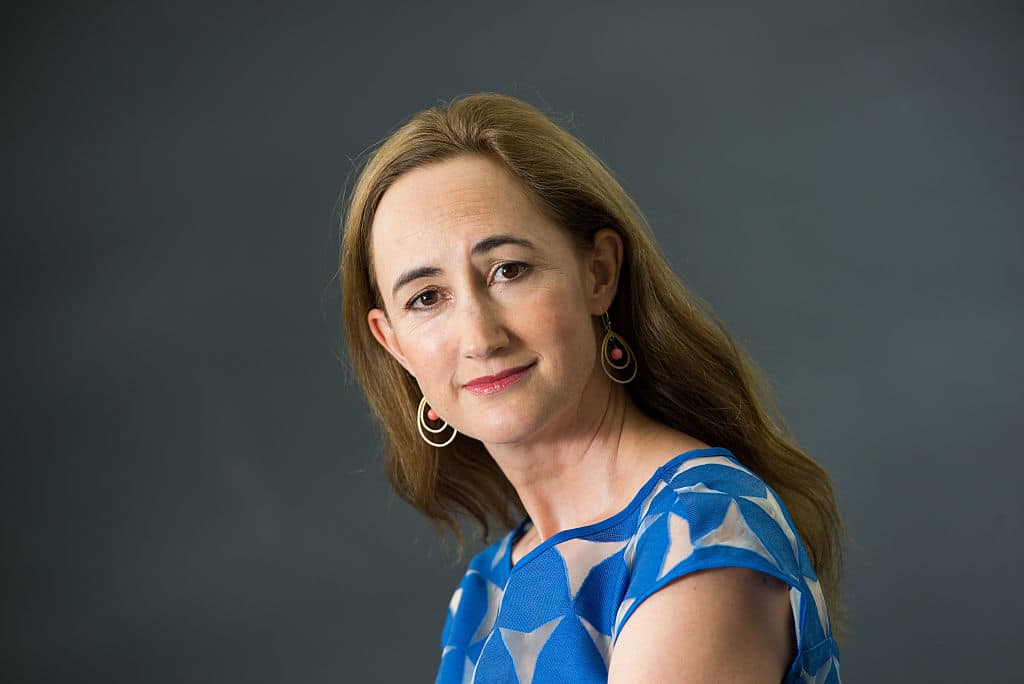
Kinsella’s family wrote, “We can’t imagine what life will be like without her radiance and love of life,” adding that although her diagnosis was devastating, “Sophie counted herself truly blessed.” She leaves behind her husband of 34 years, Henry Wickham, and their five children.
The author publicly shared her diagnosis in April 2024, explaining that she had waited to speak about it so her children could “process the news in privacy and adapt to our ‘new normal.’”
Early symptoms and a difficult journey
Kinsella later spoke about the symptoms that led to her diagnosis.
“The first symptoms that I had was my legs,” she told Robin Roberts. “I was stumbling. I was tripping. I started getting very severe headaches. I got very confused. But it was really when I started tipping over in my chair that we realized something really was wrong.”
Even while navigating treatment, she continued writing and speaking about resilience, gratitude, and living in the present. Her agents described her as a novelist with “a rare gift for creating emotionally resonant protagonists,” while her publisher remembered her as a writer with “a unique voice, an unquenchable spirit.”
Before her writing career took off, Kinsella studied at Oxford — switching from music to PPE — and briefly worked as a financial journalist. She published a number of novels under her real name before creating the pen name that would become iconic.
What mattered most
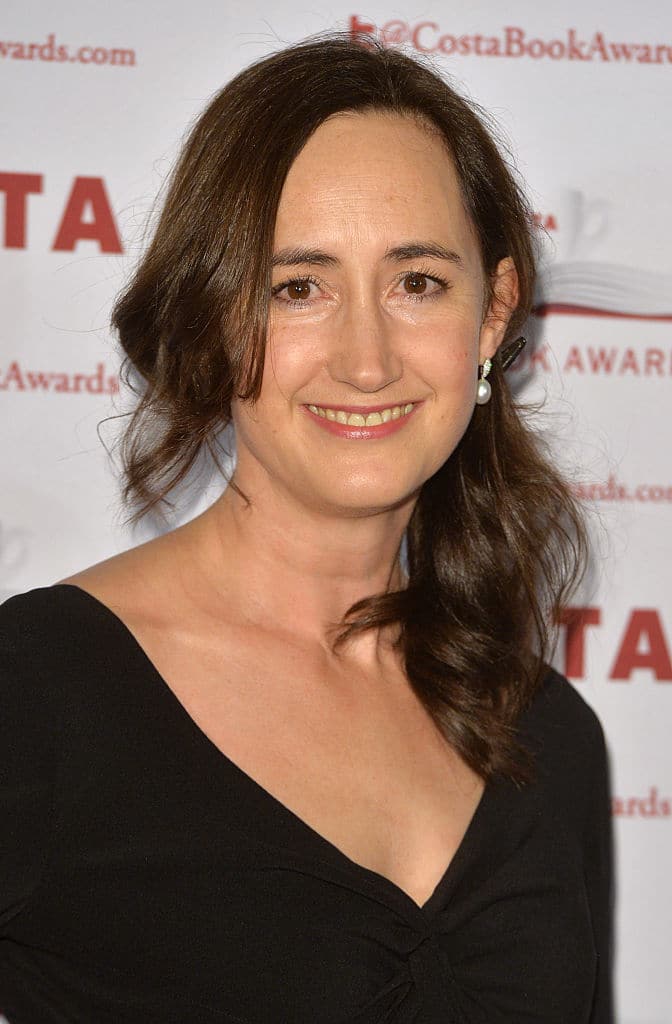
In a July 2024 interview, Kinsella was asked what her version of a “happy ending” looked like.
“My happy ending is that whatever happens to me, my family is OK,” she said. “Because that’s what I care about.”
Understanding glioblastoma
Glioblastoma is an aggressive brain cancer that can affect people of any age, though it is most commonly diagnosed in older adults. Over 12,000 Americans are diagnosed with it each year. Symptoms can include:
Severe or persistent morning headaches
Changes in vision
Difficulty speaking
Nausea or vomiting
Balance and coordination problems
Weakness in the limbs or face
Altered sensation
Shifts in personality or memory
New seizures
Anyone who experiences these symptoms should consult a medical professional promptly.
Sophie Kinsella leaves behind a body of work that has brought millions of readers laughter, comfort, and joy. Her storytelling legacy — full of warmth, humor, and humanity — will continue to brighten bookshelves for years to come.
May she rest in peace.
