Gallbladder removal is one of the most commonly performed surgeries, especially for people dealing with gallstones or chronic gallbladder disease. Even though it’s considered a routine procedure, many patients are left wondering what actually happens inside the body once this small but important organ is gone.
The gallbladder may be small, but it plays a meaningful role in digestion. This pear-shaped organ sits just beneath the liver and acts as a storage reservoir for bile, a digestive fluid produced by the liver. When you eat—particularly foods that contain fat—the gallbladder releases bile into the small intestine to help break fats down so they can be absorbed properly.
Before looking at how life changes after gallbladder removal, it helps to understand why this organ causes problems in the first place.
Common gallbladder conditions
Although the gallbladder supports digestion, it can also become a source of significant pain and complications. According to the Cleveland Clinic, several conditions commonly lead to gallbladder removal.
Gallstones are the most frequent issue. These hardened deposits of bile can range in size from tiny grains to golf-ball-sized stones. Many people have gallstones without symptoms, but when they block bile flow, they can cause sharp abdominal pain, nausea, and inflammation.
Cholecystitis occurs when a gallstone becomes lodged in a bile duct, preventing bile from leaving the gallbladder. This leads to inflammation that often causes intense pain, fever, and tenderness in the upper abdomen. In many cases, surgery is required.
Another complication is gallstone pancreatitis. This happens when a gallstone blocks the pancreatic duct, triggering inflammation of the pancreas. It’s a serious condition that usually requires hospitalization and close medical monitoring.
Gallbladder cancer is rare, but it does exist. Symptoms may include persistent pain in the upper right abdomen, though this symptom is far more often linked to benign gallbladder problems. Because early detection is difficult, ongoing digestive pain should always be evaluated by a doctor.
Warning signs your gallbladder may be struggling
Gallbladder problems don’t always look the same, but many people experience similar symptoms, including pain in the upper right or upper middle abdomen, pain that radiates to the right shoulder or back, discomfort after eating fatty meals, nausea or vomiting, fever or chills, jaundice, dark urine, pale stools, or unexplained digestive changes.
What changes after gallbladder removal
Once the gallbladder is removed, your liver doesn’t stop producing bile. Instead of being stored and released in bursts, bile flows continuously into the digestive tract. For most people, this adjustment is mild, and the body adapts over time.
Some individuals notice digestive changes in the weeks following surgery. Fatty meals can be harder to tolerate at first because bile is no longer released in concentrated amounts. This can lead to bloating, gas, or loose stools. A small number of people experience bile acid diarrhea, which occurs when excess bile irritates the intestines.
These symptoms are usually temporary. As the digestive system adjusts, many people find they can return to their usual eating habits with little or no discomfort.
Eating well during recovery
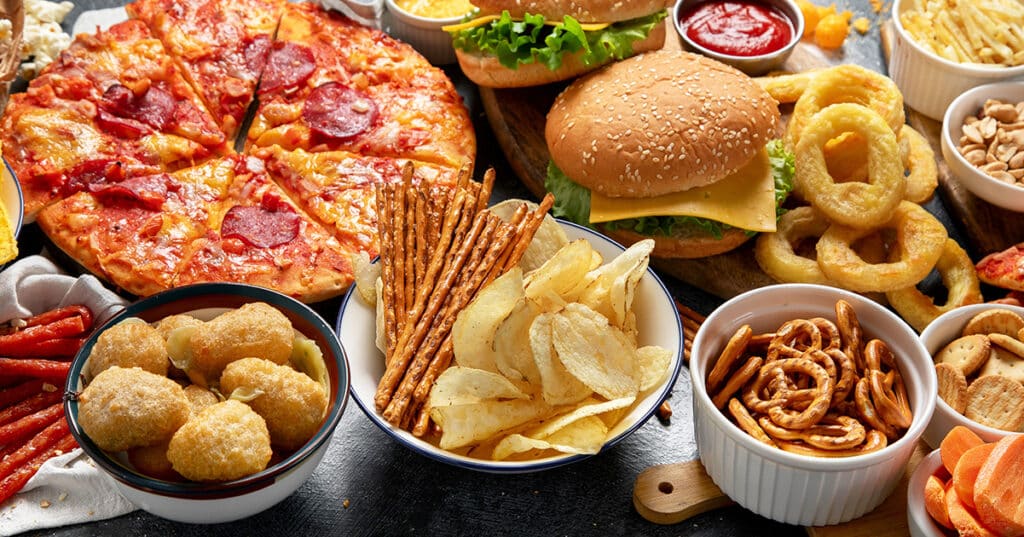
Living without a gallbladder is entirely manageable, but diet plays an important role during the adjustment period. Since bile flows directly into the intestines, certain foods may be harder to digest at first.
The Mayo Clinic recommends a few practical strategies to support recovery. Limiting high-fat foods, fried items, and rich sauces for at least the first week can reduce discomfort. Gradually increasing fiber intake helps regulate bowel movements, while eating smaller, more frequent meals can ease digestion and prevent bloating.
Staying well hydrated is especially important for anyone experiencing diarrhea. Water, herbal teas, and broths can help replace lost fluids. It may also help to temporarily reduce foods that can worsen digestive upset, such as caffeine, dairy products, and sugary treats.
Doctors often suggest starting with clear liquids and bland foods before slowly reintroducing solid meals. Paying attention to portion sizes and making balanced food choices can also help maintain a healthy weight.
The long-term outlook
The good news is that most people go on to live completely normal, healthy lives after gallbladder removal. While digestion may feel different at first, the body is remarkably adaptable. Within a few months, many patients feel better than they did before surgery—especially if gallbladder pain was interfering with daily life.
Recovery looks slightly different for everyone, but with time, patience, and a few dietary adjustments, life without a gallbladder is usually smooth and uncomplicated.
If you’ve been through gallbladder surgery or are preparing for it, your experience may help others—feel free to share any recovery tips or insights that made the transition easier for you.
More From Daily Positive
 People Notice Small Detail in White House Press Secretary’s Photo — Backlash Follows
 Stolen Power Inside Washington
 Why Unplugging Household Devices Saves Energy and Supports a Safer Home
 DHS Arrests Armed Man After Assault On ICE Agent During Minn. Riot
 Nobel Peace Center Rebukes Trump After Controversy Involving Venezuela’s Opposition Leader
 Inside the troubled past of a Hollywood legend