Racy fashion moments, unexpected award announcements, political statements, and one particularly sharp joke aimed at Donald Trump ensured the 2026 Grammy Awards were anything but routine.
From bold red-carpet choices to pointed political humor, the night unfolded as a blend of spectacle, satire, and controversy—culminating in a comment from host Trevor Noah that quickly spilled beyond the Crypto.com Arena and into national headlines.
A night packed with surprises
The ceremony featured no shortage of headline-grabbing moments. Chappell Roan sparked widespread conversation with a daring outfit that dominated social media feeds, while Cher delivered one of the night’s most surreal laughs by jokingly announcing an award winner who has been deceased for more than two decades.
Yet the most talked-about moment came during the presentation of Song of the Year—and it had little to do with music.
Trevor Noah’s Epstein joke ignites backlash
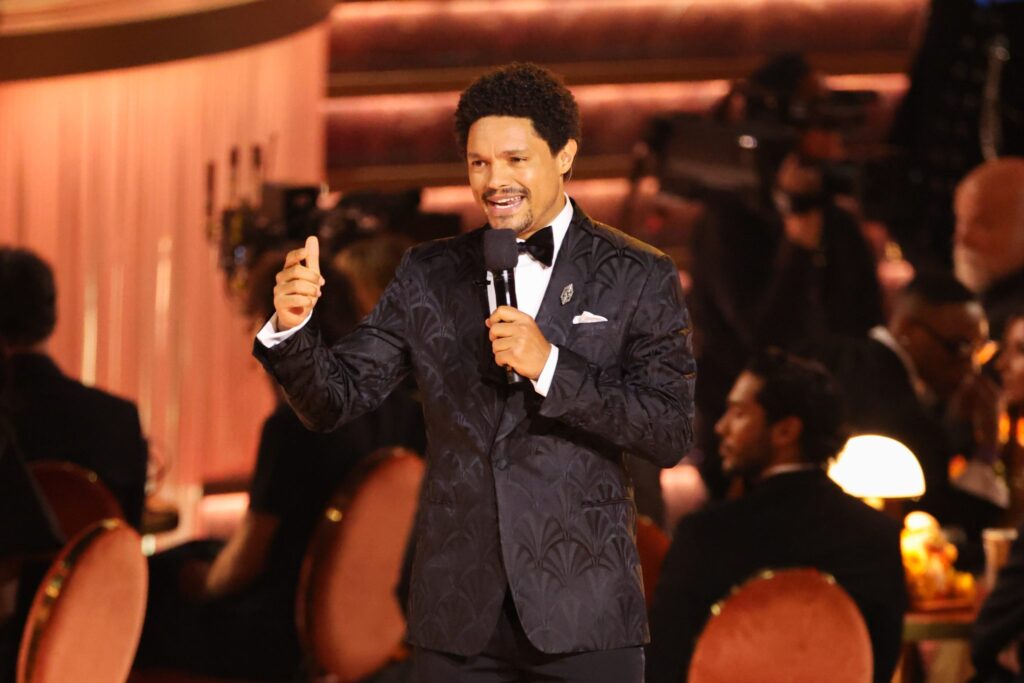
As the awards coincided with the release of a new batch of documents related to Jeffrey Epstein, Noah wove the topic into his monologue. Introducing one of the night’s major awards, he quipped:
“Song of the Year — that is a Grammy that every artist wants almost as much as Trump wants Greenland, which makes sense because Epstein’s island is gone, he needs a new one to hang out with Bill Clinton.”
The joke landed loudly in the room—and even louder online.
While appearing in released documents does not imply wrongdoing, the name of Donald Trump reportedly appears more than 1,000 times in the newly unsealed material. Trump has long acknowledged social interactions with Epstein but has repeatedly denied visiting Epstein’s private island or engaging in any illegal activity.
Official denials and legal warnings
In response to renewed attention surrounding the files, both the White House and the U.S. Department of Justice emphasized that some claims included in the documents remain unverified.
“Some of the documents contain untrue and sensationalist claims against President Trump that were submitted to the FBI right before the 2020 election,” the Justice Department stated.
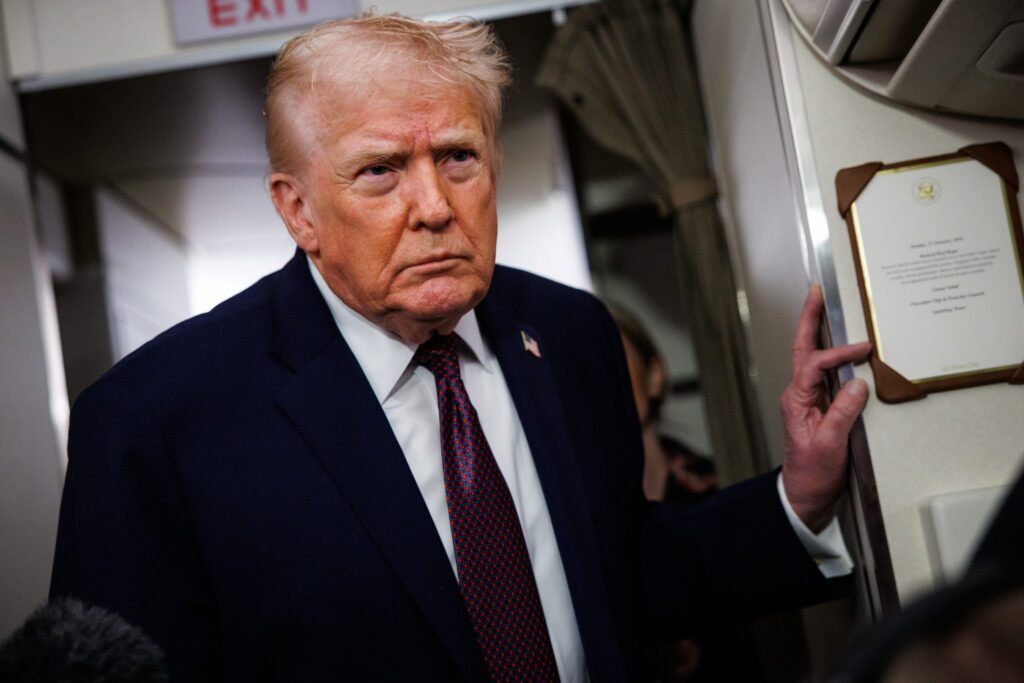
Trump also addressed the issue directly while speaking to reporters aboard Air Force One, claiming the documents ultimately exonerate him and alleging that author Michael Wolff conspired with Epstein to damage him politically.
He further suggested that legal action against Wolff and the Epstein estate remained under consideration.
Trump fires back at the Grammys
Following the ceremony, Trump took aim at both the awards show and its host on Truth Social. He described the Grammys as “virtually unwatchable” and labeled Noah’s remarks “false and defamatory.”
In a lengthy post, Trump categorically denied ever visiting Epstein’s island and stated that he had never previously been accused of doing so. He warned that legal action against Noah could follow, referencing prior lawsuits involving media figures and networks.
The statement added fuel to an already intense online debate, with supporters and critics alike dissecting both the joke and Trump’s response.
A ceremony shaped by culture and controversy
Held at the Crypto.com Arena, the 2026 Grammys ultimately reflected the current cultural climate—where entertainment, politics, and public accountability increasingly collide.
While the evening celebrated musical achievement, it also underscored how award shows have become platforms for broader commentary, capable of triggering reactions that extend far beyond the stage.
Whether remembered for fashion, humor, or fallout, this year’s Grammys made one thing clear: the intersection of pop culture and politics remains as volatile—and as unavoidable—as ever.
More From Daily Positive
 Trump to sue Trevor Noah after controversial Epstein joke at Grammys
 If This Tree Grows Near You, You’re Sitting on Gold and Don’t Even Know It — Most People Walk Past It Daily Without Realizing Its Food, Survival, Environmental, and Practical Value
 I Saw My Pregnant Neighbor In Pain And Ignored My Mother-In-Law’s Cruelty To Help Her, Only To Discover The Massive Secret She Was Keeping From Our Entire Street
 The Father of My Twins Mocked Me for Ordering a $5 Cobb Salad – I Stayed Quiet but Karma Acted
 My Stepmom Threw a Party on My Mom's First Death Anniversary – I Chose a Punishment Worse than Calling the Police
 I Married the Man Who Saved Me After a Car Crash – on Our Wedding Night, He Whispered, 'It's Time for You to Know the Truth'