Spain Pushes Back After White House Claims It Softened Position on Iran Conflict
Tensions between Spain and the United States have intensified after conflicting statements about Spain’s stance on U.S. military actions targeting Iran.
The dispute escalated this week after U.S. officials suggested that Madrid had agreed to cooperate with American military operations, a claim Spanish leaders quickly denied.
Disagreement Over Use of Spanish Bases
The diplomatic clash began when Spanish Prime Minister Pedro Sánchez refused to allow U.S. forces to launch airstrikes on Iran from military bases located in Spain.
Sánchez condemned the attacks as a violation of international law and described them as an “unjustified and dangerous military intervention.” His decision marked a clear break from Washington’s expectations that NATO allies would support the operation.
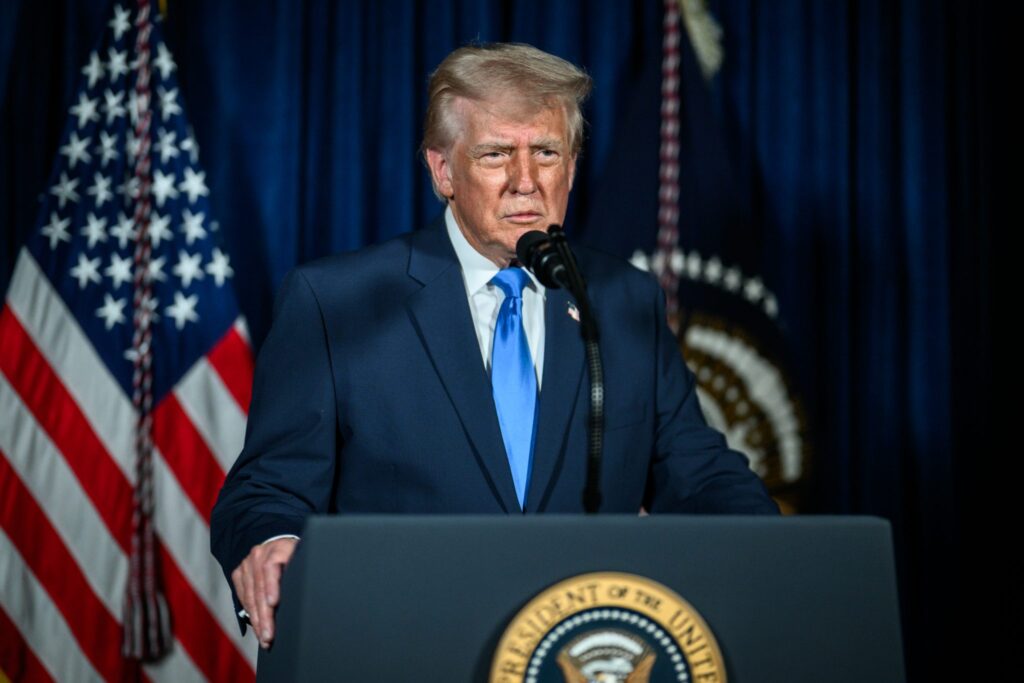
The refusal reportedly angered U.S. President Donald Trump, who criticized Spain during remarks from the Oval Office.
“Spain has been terrible. In fact, I told Scott to cut off all dealings with Spain… they have great people, but they don’t have great leadership.”
Trump also suggested that the United States could potentially use Spanish bases regardless of Madrid’s approval, a comment that further strained relations between the two allies.
Spain Responds With Firm Rejection
Following the remarks from Washington, Sánchez addressed the Spanish public, emphasizing that his government would not support military actions it considers harmful to global stability.
“We are not going to be accomplices to something that is bad for the world and contrary to our values and interests, simply because of fear of reprisals from some.”
He summarized Spain’s stance with a clear message:
“No a la guerra.” (“No to war.”)
Sánchez also pointed to Spain’s involvement in the 2003 invasion of Iraq as a cautionary example. According to him, that war led to long-term consequences including rising extremism and increased migration pressures across the Mediterranean region.
Confusion After White House Statement
The situation became more complicated when White House press secretary Karoline Leavitt told reporters that Spain had privately agreed to cooperate with U.S. military operations.
“I think they heard the president’s message yesterday loud and clear… it is my understanding they’ve agreed to cooperate with the U.S. military.”
However, Spanish officials quickly rejected the statement.
Spain Denies Any Policy Change
Spain’s foreign minister, José Manuel Albares, dismissed the claim in a televised interview.
“That’s not true. We categorically deny it. Spain’s position has not changed.”
Speaking on Spanish radio station Cadena SER, Albares reinforced the government’s stance.
“The Spanish government’s position on the war in the Middle East, the bombings in Iran, and the use of our bases has not changed one iota.”
He added pointedly:
“She may be the White House press secretary, but I’m the foreign minister of Spain and I’m telling her that our position hasn’t changed at all.”
A spokesperson for the Spanish government later repeated the same message, stressing that Madrid had made no concessions regarding U.S. military operations.
Spain Signals Independence in Foreign Policy
Spain’s Deputy Prime Minister María Jesús Montero reinforced the country’s position earlier in the week.
She stated that Spain would not act as a “vassal” to another country when determining its foreign policy decisions.
The comments underline a growing divide between Washington and some European leaders over how to respond to escalating tensions in the Middle East.
A Dispute That May Continue
The exchange of statements highlights the fragile balance within NATO alliances when military conflicts arise. While the United States has urged allies to support its actions against Iran, Spain’s leadership has signaled a preference for diplomatic solutions.
With both sides publicly standing by their positions, the diplomatic dispute between Madrid and Washington appears far from resolved.
More From Daily Positive
 These are the consequences of sleeping with…
 My Husband Left Me and Our Six Kids for a Fitness Trainer – I Didn’t Even Have Time to Think About Re.ven.ge Before Karma Caught Up With Him
 I Lost My Twins During Childbirth – But One Day I Saw Two Girls Who Looked Exactly Like Them in a Daycare With Another Woman
 Bill Clinton reveals ‘real reason’ Trump and Epstein’s friendship ended
 80’s supermodel and Dallas star Annabel Schofield dies at 62
 One of My Twin Daughters Di:ed – Three Years Later, on My Daughter’s First Day of First Grade, Her Teacher Said, ‘Both of Your Girls Are Doing Great’