The Silent Signal: What Swollen Legs May Reveal About Pancreatic Cancer
The body often sends warning signs in ways that seem unrelated to the real problem. Many serious illnesses, including cancer, can begin quietly, showing only vague or seemingly harmless symptoms before more obvious signs appear.
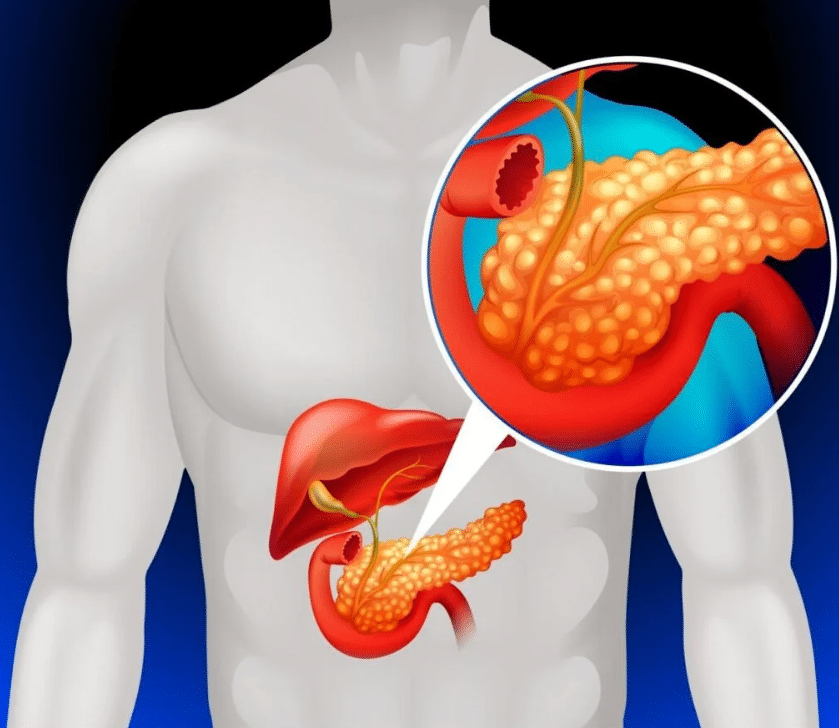
One disease known for developing in silence is pancreatic cancer. Because the pancreas sits deep inside the abdomen, behind the stomach, early problems can be difficult to detect. By the time symptoms become noticeable, the disease has often already advanced.
Researchers have found that in some cases, one surprising sign may appear in the legs. Swelling in the lower limbs, also called edema, is usually linked to poor circulation, kidney disease, or heart problems. But newer studies suggest that unexplained leg swelling may sometimes be connected to pancreatic cancer as well.
That does not mean every case of swollen legs points to cancer. Still, when swelling appears suddenly, affects one leg more than the other, or continues without a clear explanation, it may be a signal that something deeper is happening inside the body.
Why Pancreatic Cancer Can Affect the Legs
Pancreatic cancer can change the body’s chemistry in several ways. It may alter circulation, disrupt protein levels, and increase the tendency of blood to clot. These changes do not stay isolated in the pancreas. In some patients, they show up first in the legs.
One of the most important reasons for this connection is the increased risk of dangerous blood clots.
The Main Concern: Deep Vein Thrombosis
The strongest link between swollen legs and pancreatic cancer is a condition called deep vein thrombosis, or DVT. This happens when a blood clot forms in a deep vein, most often in the leg. Once that clot blocks normal blood flow, swelling can develop quickly.
Common symptoms of DVT may include:
Swelling in one leg
Warmth in the affected area
Pain or tenderness
Redness or a change in skin color
Pancreatic ductal adenocarcinoma, the most common form of pancreatic cancer, is especially associated with this problem. Doctors often describe it as highly procoagulant, meaning it can strongly promote clotting inside the bloodstream.
This is not just a side effect of illness. It is part of how the cancer interacts with the body.
Trousseau Syndrome and Hidden Cancer
Doctors have long observed that unexplained blood clots can sometimes appear before cancer is diagnosed. In the 19th century, physician Armand Trousseau noticed that some patients developed recurring clots before their hidden cancers were discovered. This pattern later became known as Trousseau syndrome.
Modern science has helped explain why this happens.
Tissue Factor Overexpression
Pancreatic tumor cells can release large amounts of a protein called Tissue Factor into the bloodstream. This protein acts as one of the body’s main triggers for clotting. Cancer cells may also shed tiny particles carrying Tissue Factor, spreading clot-promoting signals throughout the body.
Mucins and “Sticky Blood”
Many pancreatic tumors also release mucins, large proteins coated with sugar molecules. These substances can bind to platelets and white blood cells, making the blood more likely to clot.
Together, these changes create what some doctors informally describe as “sticky blood,” meaning the body’s clotting system is constantly activated.
Why the Legs Are Often Affected
Blood naturally moves more slowly through the deep veins of the legs than through many other parts of the body. Gravity works against upward blood flow, and the legs are farther from the heart, which makes them more vulnerable to clot formation.
When clotting signals are circulating through the body, the legs become one of the most common places for blockages to form. As a clot develops, blood flow is disrupted, and swelling may appear. In some cases, swelling is the only visible sign.
How Common Is This Risk?
Among major cancers, pancreatic cancer is one of the most strongly linked to venous thromboembolism, a term that includes both deep vein thrombosis and pulmonary embolism.
Recent estimates suggest that around 20% to 40% of people with advanced pancreatic cancer may experience a clotting event during the course of the illness.
Doctors often use a tool called the Khorana Risk Score to estimate clot risk in cancer patients. Pancreatic cancer automatically places a person in a high-risk category, even before other factors are added.
When Swelling Is Not Caused by a Clot
Not all leg swelling connected to pancreatic disease comes from DVT. In some cases, swelling develops in both legs because of fluid imbalance in the body.
This can happen when albumin, an important protein that helps keep fluid inside the blood vessels, drops too low. Pancreatic tumors may interfere with digestion and protein absorption, leading to low albumin levels over time. Liver involvement or widespread inflammation can make this worse.
This kind of swelling is often called pitting edema. If you press gently on the swollen area and a small indentation remains for a moment, that may suggest pitting edema.
Unlike DVT, which usually affects one leg, this type of swelling often develops gradually and affects both legs.
When Swelling Should Be Evaluated
In some cases, leg swelling may be the clue that leads doctors to investigate pancreatic cancer. That is why unexplained swelling should not be ignored, especially in adults over 50 or in people with risk factors such as smoking, unexplained weight loss, or ongoing digestive symptoms.
Doctors may begin with:
A D-dimer blood test
Ultrasound imaging of the leg veins
CT or MRI scans if an unprovoked clot is found
If there is no obvious reason for a clot, such as surgery, injury, or prolonged travel, doctors may look for an underlying illness, including cancer.
Treatment and Supportive Care
When leg swelling is linked to pancreatic cancer, treatment focuses on both the swelling itself and the deeper cause behind it.
Anticoagulant Medications
Blood thinners such as DOACs or low-molecular-weight heparin are commonly used when a clot is found. These medications help stop the clot from growing and reduce the risk of new clots.
Preventive Blood-Thinning Strategies
For some high-risk cancer patients, preventive anticoagulation may be considered to lower the chance of clot formation.
Supportive Measures
Helpful strategies may include:
Wearing compression stockings
Elevating the legs while resting
Staying active with light movement such as walking
Final Thoughts
Swollen legs are common and usually not caused by pancreatic cancer. But when the swelling is sudden, persistent, unexplained, or limited to one leg, it may deserve closer attention.
Pancreatic cancer often remains hidden until it is advanced, which is why subtle signs matter. In some patients, the legs may reveal what the pancreas cannot.
Recognizing that possibility could make earlier testing—and earlier diagnosis—more likely.
If you want, I can also turn this into a cleaner WordPress-style 500–700 word article with stronger SEO phrasing and simpler medical language.
