A mother has found herself at the center of intense online debate after sharing that she still breastfeeds her 4-year-old daughter—something many viewers have labeled “inappropriate.” Despite the criticism, she maintains that her choice is both intentional and rooted in care.
Shinnai Visser, 34, from Cape Town, South Africa, has built a social media presence where she openly discusses her approach to parenting. Her lifestyle includes homeschooling, home birth, and allowing her children to develop at their own pace. While these choices have sparked curiosity, they have not drawn the same level of reaction as one particular aspect of her parenting: extended breastfeeding.
Videos featuring her 4-year-old daughter have prompted a wave of mixed responses online. Some users express discomfort, arguing the child is too old to be nursing, while others question whether the practice is appropriate. Visser, however, believes much of the criticism comes from misunderstanding rather than informed perspective.
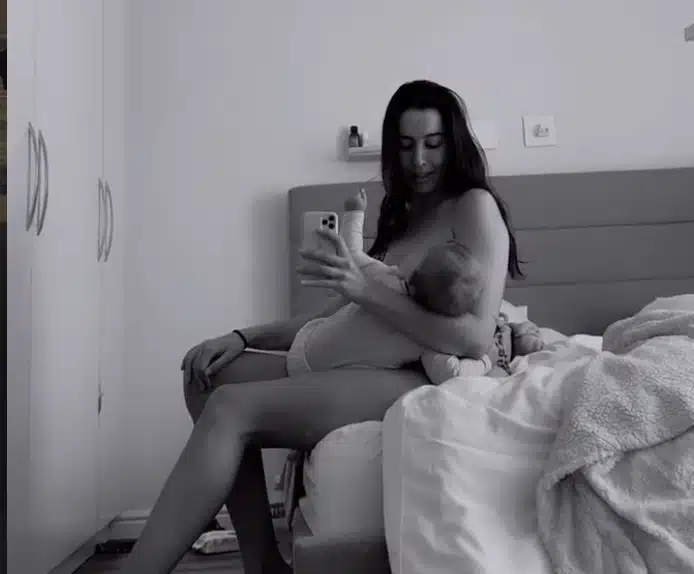
She explained that, at this stage, breastfeeding is no longer about nutrition but about emotional connection and comfort. Speaking to People Magazine, she shared that learning about historical and global norms helped shift her understanding of what is considered “normal.”
“When I learned that humans historically breastfed far longer than we do today, it reframed the idea that extended breastfeeding is unusual. It’s not biologically strange — it’s culturally unfamiliar,”
Visser emphasized that practices around breastfeeding vary widely across cultures, and what may seem uncommon in some parts of the world is more accepted in others. She believes this cultural difference often explains the strong reactions.
According to her, her younger child—still a toddler—breastfeeds more frequently, which she considers typical for that age. Her older daughter, however, nurses only occasionally, usually in moments when she feels tired, overwhelmed, or in need of reassurance.
“Some days she nurses once, and other times she doesn’t ask for a few days,”
She added that at this stage, the experience is limited and guided by the child.
“It’s very minimal and very intentional. It’s brief, calm and led by her.”
Despite the backlash, Visser says she feels no shame in her decision. Instead, she hopes that by speaking openly, she can reduce judgment toward parents who make unconventional choices.
Beyond the controversy, she also points to what she sees as positive outcomes. In her view, extended breastfeeding has contributed to her daughter’s emotional stability and sense of security.
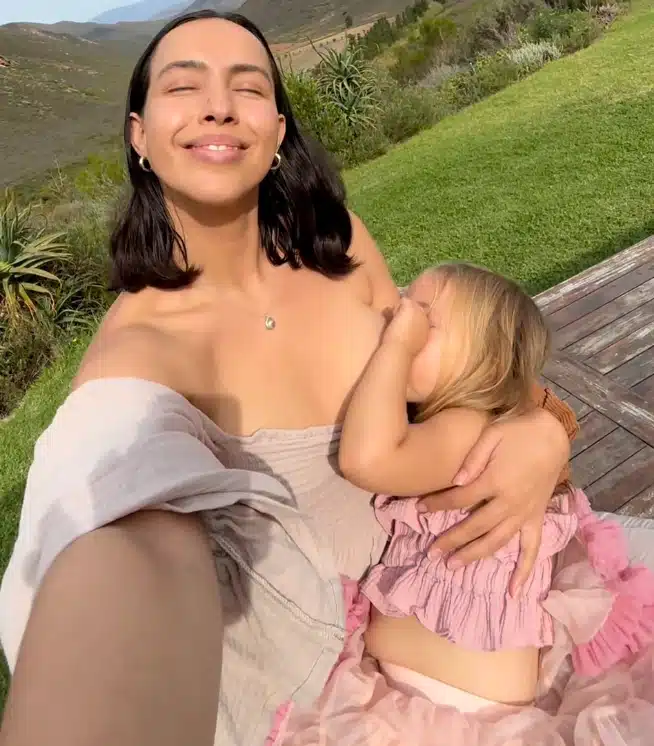
“Independence grows best from secure attachment, not forced separation,”
She explained, adding:
“Breastfeeding doesn’t replace independence. It supports it by ensuring emotional needs are met, not suppressed.”
Ultimately, Visser believes parenting cannot be reduced to a single standard. What works for one family may not work for another, and the most important factor, in her view, is that children feel safe, supported, and loved.
The discussion continues to divide opinion, with strong perspectives on both sides—raising broader questions about cultural norms, parenting choices, and how much of family life should be subject to public judgment.
More From Daily Positive
 I called my mom right after giving birth to my daughter, but she laughed and said she was too busy with my sister’s birthday party to care. My sister shouted that I had ruined her special day, and I hung up in tears holding my baby. But the very next day, they were standing in front of me… begging.
 If One Day Your Wife Suddenly Starts Wearing Lace Underwear — What Could It Mean?
 Family of Jazz Aviation Hero Pilot Antoine Forest Speaks Out, Shares Heartwarming Childhood Photo
 This star became a ’10 year old mom’ to 3 little kids when her mother was ‘gone’
 With heavy hearts, we report the sad news about this iconic musician who gave us so much
 WWE star makes huge claim about Trump’s assassination attempt and points at key detail