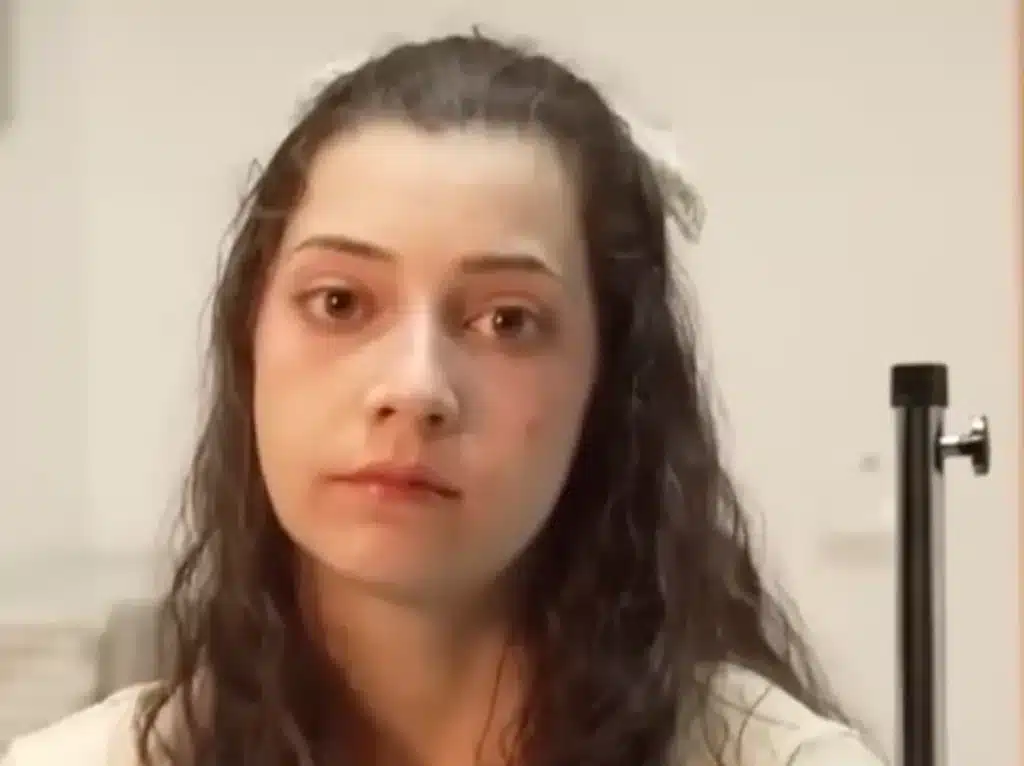
A 25-year-old woman in Spain has become the focus of national and international attention after receiving legal approval to end her life through euthanasia on the basis of severe mental suffering.
Noelia Castillo Ramos, from Barcelona, had been seeking permission since 2024. After a lengthy and complex legal process, her request was ultimately granted—marking a rare and deeply debated case in which mental health conditions played a central role in the decision.
Her story is shaped by a series of devastating events. Reports indicate that in 2022, while living in a state-supervised facility for vulnerable young people, she experienced a traumatic assault. In the aftermath, she attempted to take her own life by jumping from a building. Although she survived, the fall left her paralyzed from the waist down.
Since then, she has been diagnosed with multiple mental health conditions, including severe depression, obsessive-compulsive disorder, and borderline personality disorder. According to medical assessments presented during her case, she has continued to experience what was described as persistent and unbearable psychological suffering.
Spain legalized voluntary euthanasia in March 2021 under strict conditions. The law allows eligible patients—typically those with serious and incurable conditions causing enduring suffering—to request medical assistance in ending their lives. Traditionally, such cases have centered on physical illness, making Noelia’s situation particularly notable.
Her request had initially been approved in August 2024, with the procedure scheduled shortly afterward. However, the process was paused when her father filed a legal challenge, arguing that her mental health conditions impaired her ability to make a fully stable and consistent decision. His legal team also pointed to moments in which she had expressed uncertainty, suggesting that her wish might not be definitive.
The case proceeded to court in 2025, where Noelia personally addressed the issue. During the proceedings, she expressed a clear and unwavering position.
“I want to finish with dignity once and for all.”
After reviewing medical evaluations and expert reports, the judge ruled in her favor. According to the Catalan government’s legal representatives, there was no credible evidence presented that contradicted the professional assessments supporting her request.
In a television interview given shortly before the scheduled procedure, Noelia acknowledged the emotional weight her decision carried for those around her.
“I am a pillar of the family. I am leaving them suffering.”
She then posed a question that reflects the core tension at the heart of the debate:
“But what about my suffering?”
Despite opposition from her family, she emphasized that her decision had remained consistent.
“No, I was very clear from the beginning. I simply want to go in peace, stop suffering, and that’s it.”
She also reflected on the balance between personal autonomy and family expectations:
“The happiness of a father or mother should not be above the happiness of a daughter.”
The case has sparked wide discussion about the ethical, legal, and medical boundaries of euthanasia—particularly when mental health conditions are involved. It raises complex questions about autonomy, long-term suffering, and how societies define and respond to unbearable pain that is not solely physical.
As the story unfolds, it continues to prompt reflection across Spain and beyond, highlighting the deeply personal and often controversial nature of end-of-life decisions.
More From Daily Positive
 On my birthday, my father walked in, looked at my b:ruised face, and asked, “Sweetheart… who did this to you?” Before I could speak, my husband smirked and said, “I did. Gave her a sl:ap instead of congratulations.”
 Robert Irwin’s rumored new girlfriend sparks heated reactions
 ICON DEAD 😭💔 With heavy hearts, we announce the passing of this groundbreaking woman
 I Brought Nana's Heavy 18-Karat Gold Heirloom Earrings to a Pawn Shop to Pay My Mortgage – The Appraiser's One Sentence Left Me Trembling in the Middle of the Store
 One rule never before used could see Donald Trump removed from office
 Mom fires back at critics who call breastfeeding her 4-year-old “inappropriate”