A deeply emotional and controversial case in Spain has once again brought global attention to the debate over the right to die.
At the center of it is Noelia Castillo Ramos, a 25-year-old woman from Barcelona whose life ended through euthanasia after years of profound physical and psychological suffering. Her story has stirred strong reactions—both within her family and far beyond—highlighting the complexity of such decisions.
Her life changed dramatically after a traumatic assault that led to a suicide attempt. She survived the fall, but the injuries left her paraplegic. From that point forward, her reality became one of constant struggle, shaped by both physical pain and long-term mental health challenges.
Despite ongoing support from her family, Noelia maintained that her decision to pursue euthanasia was not sudden or impulsive, but something she had considered carefully over time.
“I was very clear about it from the beginning,” she said.
In the same interview, she acknowledged the pain her decision caused those around her, while also emphasizing her own experience.
“None of my family is in favor of euthanasia. Obviously, because I’m another pillar of the family. I’m leaving, and you’re staying here with all the pain. But I think, all the pain I’ve suffered over the years… I just want to leave in peace now and stop suffering, full stop.”
Her request led to a prolonged legal battle. Her father strongly opposed the procedure, arguing that her life should be preserved despite her condition. However, Spain’s Constitutional Court, along with the European Court of Human Rights, ultimately ruled in her favor under the country’s 2021 euthanasia law. The courts determined that her decision was made freely and with full awareness.
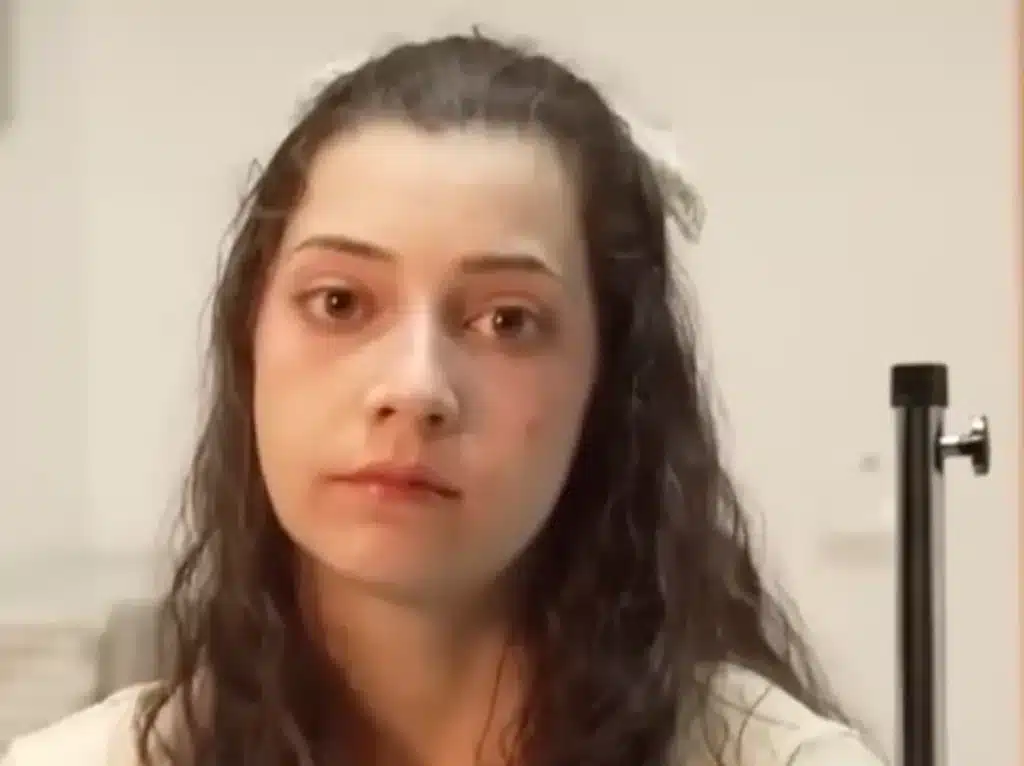
Within her family, the emotional divide was clear. Her mother, Yolanda, remained by her side even while struggling with the choice.
“I do not agree, but I will always be by her side.”
Her father, on the other hand, continued to oppose the decision until the end, reflecting the broader tension between personal autonomy and family bonds that often surrounds such cases.
In her final days, Noelia spoke openly about how she wanted to approach the end of her life—not only with acceptance, but with a sense of dignity.
“I just want to go in peace and stop suffering.”
She also shared a more personal detail about how she envisioned her final moments:
“I’ve always thought I want to die beautiful. I’ll put on my prettiest dress and make-up.”
Her final hours were spent at Sant Camil Hospital, where her mother remained with her overnight. Other family members, including her father, siblings, and grandmother, also gathered to be present. Before the procedure, she asked for additional time with them, extending those final moments together.
Although the medical process was originally scheduled to begin earlier, it was delayed to allow for those final goodbyes. When it did proceed, reports indicate it was carried out quickly and without physical suffering.
Noelia’s case has reignited debate not only in Spain but internationally. Supporters of euthanasia argue that individuals facing unbearable and irreversible suffering should have the right to make decisions about their own lives. Critics, however, express concern about whether such laws adequately protect vulnerable individuals, especially in cases involving mental health.
One perspective often repeated in support of her choice is simple:
“It’s her life and she has the right to decide.”
Yet for many—especially those closest to her—the issue remains far from resolved. Her story continues to sit at the intersection of autonomy, suffering, ethics, and love, leaving behind questions that do not have easy answers.
More From Daily Positive
 “Everyone called me crazy for marrying a 60-year-old woman,” but on our wedding night I saw a mark on her shoulder, I heard “I have to tell you the truth” and I understood that my whole life had been a lie
 Donald Trump says Iran gave him “a very big present” as he teases details
 My husband gave my luxury SUV to his sister without asking. When I confronted him, he mocked me: “What does a housewife need a car for?” I stayed silent. Now he’s calling, desperate, begging me not to sell house.
 My Fiancée Shoved a 60-Year-Old Cleaning Lady Out of a Bridal Boutique Not Knowing She Was My Mother – My Last Words Came at the Altar Two Days Later
 My Teen Son Sewed 20 Teddy Bears from His Late Dad's Shirts for a Local Shelter – When 4 Armed Deputies Showed Up at Dawn, I Was Stunned by What They Pulled out of Their Cruiser
 Karoline Leavitt makes unexpected career move following “regrets” announcement