Some lives don’t follow a straight path to success—they twist through pain, silence, and survival before finding something steadier on the other side.
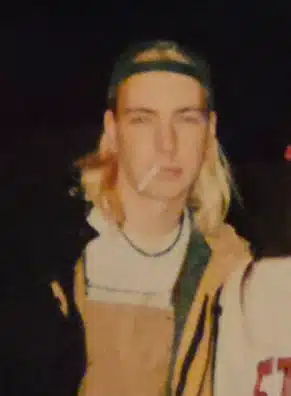
Before he became a familiar face in Hollywood, Dax Shepard lived through a childhood marked by instability and trauma. His parents divorced when he was just three, and not long after, he experienced abuse that he would carry in silence for over a decade.
“All that time, I was like… ‘It’s my fault.’”
Those early years left a deep imprint. As he grew older, that unresolved pain began to surface in the form of addiction. Drugs and alcohol became a way to cope—something he later acknowledged was tied closely to what he had endured as a child.
Yet even in those difficult years, there were anchors in his life. His mother, who worked her way up from a night-shift janitor at General Motors to running her own businesses, became a powerful example of persistence. He often credits her determination as something that quietly shaped his own drive.
As a teenager, Shepard spent years traveling with her, working racetrack events before eventually moving to Los Angeles. There, a turning point came when he was introduced to The Groundlings, a well-known improv group. It was his first real step into acting—and one that would gradually reshape his future.
From there, opportunities began to emerge. He appeared on Punk’d alongside Ashton Kutcher, gaining recognition for his comedic timing. Film roles followed, including appearances in Without a Paddle and Baby Mama.
But one project would change his life in a more personal way.
While filming When in Rome, he met Kristen Bell—the woman who would later become his wife.
Their relationship, however, wasn’t without challenges. Shepard has spoken openly about how his past and struggles initially created tension between them.
“All the things I’d done were terrifying to her… she had a hard time believing I could stay married and be a father.”
Despite that, the relationship endured—and evolved.
Over time, Shepard committed himself to sobriety, though not without setbacks. After 16 years, he experienced a relapse, something he chose to speak about publicly rather than hide. His approach since then has been grounded in honesty, even with his children.
“I’m an alcoholic, and if I don’t go to meetings, I’ll drink… and be a terrible dad.”
That level of openness has become a defining part of who he is today—not just as a father, but as a public figure.
Through his podcast, Armchair Expert, Shepard explores conversations around identity, addiction, vulnerability, and growth with a wide range of guests. The platform reflects a version of him that is far removed from the chaos of his earlier years—more reflective, more grounded.

Outside of entertainment, he’s also known for his passion for cars and racing, as well as advocacy work alongside Bell. Together, they’ve pushed for stronger privacy protections for children of public figures, supporting legislation aimed at limiting invasive paparazzi coverage.
What stands out most about Shepard’s story isn’t just the success—it’s the transparency.
He hasn’t erased his past or reshaped it into something more palatable. Instead, he’s allowed it to remain visible, using it as part of an ongoing process rather than a closed chapter.
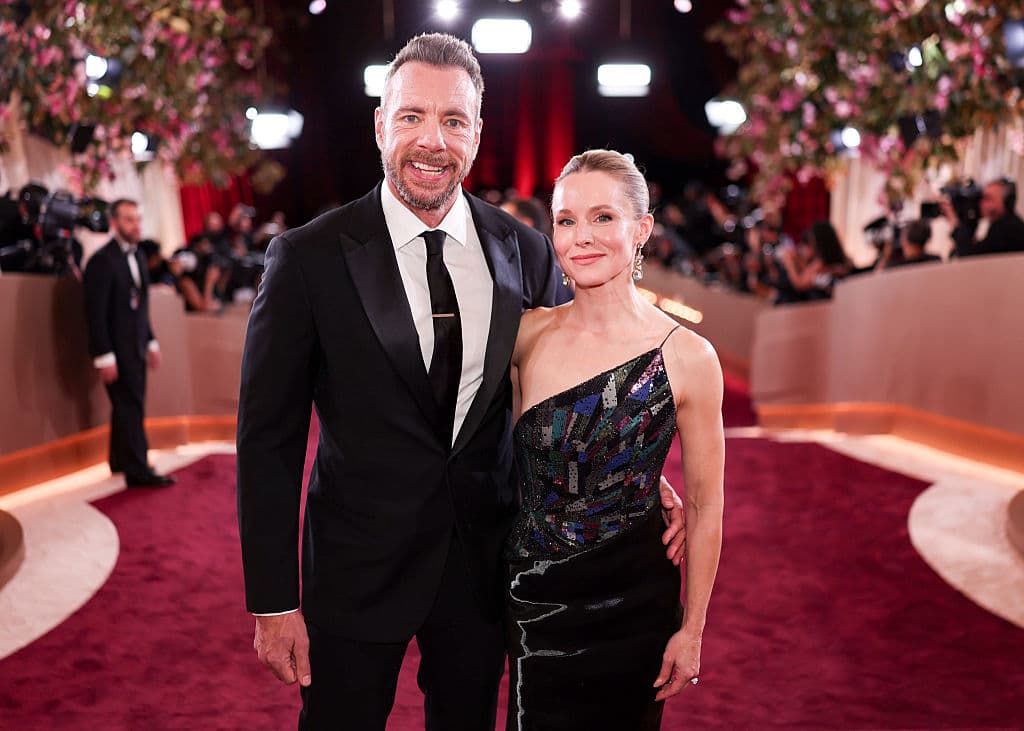
There’s a quiet weight to that kind of honesty.
Because in the end, his life isn’t defined by where it started—or even by the mistakes along the way—but by the decision to keep moving forward, even when the past doesn’t fully let go.
More From Daily Positive
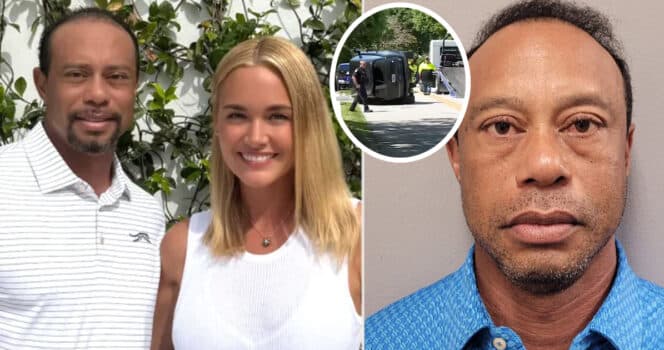 Vanessa Trump issues fierce ultimatum to boyfriend Tiger Woods amid shocking DUI arrest
 Arnold Schwarzenegger’s son wins first bodybuilding competition – and the photos are jaw-dropping
 My 8-Year-Old Son Was Teased for Wearing Duct-Taped Sneakers – The Next Morning, the Principal Made a Call That Changed Everything
 The Moment I Truly Understood Commitment: A journey from doubt to a life-changing realization.
 I Raised My Brother’s 3 Orphaned Daughters for 15 Years – Last Week, He Gave Me a Sealed Envelope I Wasn’t Supposed to Open in Front of Them
 White House breaks silence after Jesse Ventura claims Trump assassination attempt was fake