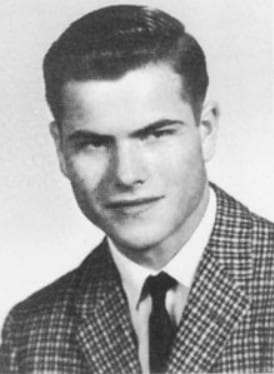
He looks like the kind of boy no one would ever look at twice.
Polite. Clean-cut. Ordinary.
That is what makes the story so disturbing.
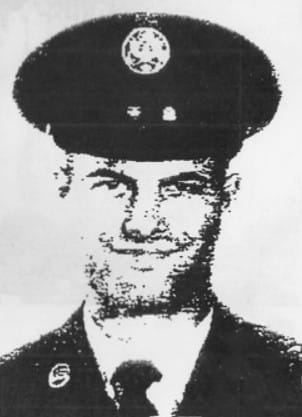
Because the young man in that photograph would one day become Dennis Rader, the man later known as BTK — short for “Bind, Torture, Kill” — a serial murderer who terrorized Wichita and nearby communities for years while living what appeared to be a quiet, respectable suburban life. He was born in Kansas in 1945, served in the U.S. Air Force from 1966 to 1970, later worked for ADT and the Park City compliance department, and by all outward appearances blended neatly into church, family, and routine.
That ordinary surface is part of what still unsettles people most.
Rader was not remembered as some dramatic outsider. Accounts of his early life describe a boy who learned to appear controlled and unremarkable. But later, he admitted that violent fantasies had begun early, long before anyone around him understood what was forming beneath that disciplined exterior. As an adult, he built a life that looked stable: husband, father, employee, church leader. To neighbors and coworkers, he seemed rigid, rule-bound, and dependable.
Then came the murders.
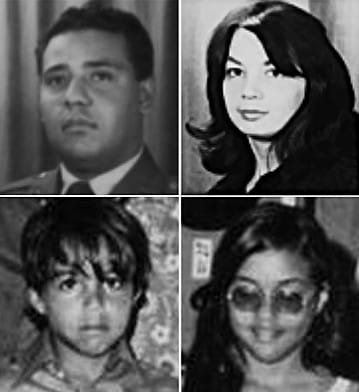
In January 1974, four members of the Otero family were killed in Wichita. It was the first known BTK crime, and it set the tone for the terror that followed. Over the years, Rader stalked victims, entered homes, bound and murdered them, and then sometimes communicated with media or police in ways designed to magnify fear and preserve his own sense of power. He ultimately admitted to ten murders committed between 1974 and 1991.
What made the case especially haunting was not only the brutality, but the patience.
He could disappear for years, then return.
He could be inside a church meeting, at work, or sitting at a family table while a city still feared a man it could not identify.
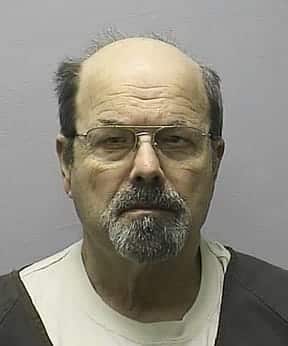
For decades, BTK felt less like a person than a presence — a nightmare that could surface again without warning. Then, after years of silence, Rader reemerged in 2004, sending letters and packages that revived the investigation. His need for attention became the crack that finally exposed him. In one exchange, he asked whether a floppy disk could be traced. Investigators publicly suggested it could not. He sent it anyway. Metadata on that disk led police to a computer associated with his church, and DNA evidence helped confirm his identity. He was arrested in February 2005, pleaded guilty, and received ten consecutive life sentences. He remains imprisoned at El Dorado Correctional Facility in Kansas.
Even after the arrest, the horror did not end cleanly.
The public learned that the monster they had imagined as a lurking stranger was, in reality, a man who had spent years moving unnoticed through ordinary life. And for his family, that revelation tore through everything they thought they knew.
That is part of why the story has resurfaced again with such force.
Netflix released My Father, the BTK Killer in 2025, a documentary told through the perspective of Rader’s daughter, Kerri Rawson. The film follows her effort to process the fact that the father she knew and the killer the world knew were the same man. It also examines her attempts to confront old memories, consider the possibility of additional victims, and live with the ongoing aftershock of a crime legacy she did not choose. Netflix describes the documentary as Rawson’s search for answers and healing, while outside reporting notes that she has continued working with investigators and has spoken publicly about the trauma of discovering the truth in 2005.
That may be the most chilling part of all.
Not just that Dennis Rader killed.
Not just that he hid it.
But that he managed to live two fully separate lives for so long — one visible, one unspeakable — and carried them side by side until his own arrogance finally exposed him.
Looking back at a photograph of him when he was young, people search for some visible clue, some signal that evil should have been easier to recognize.
There isn’t one.
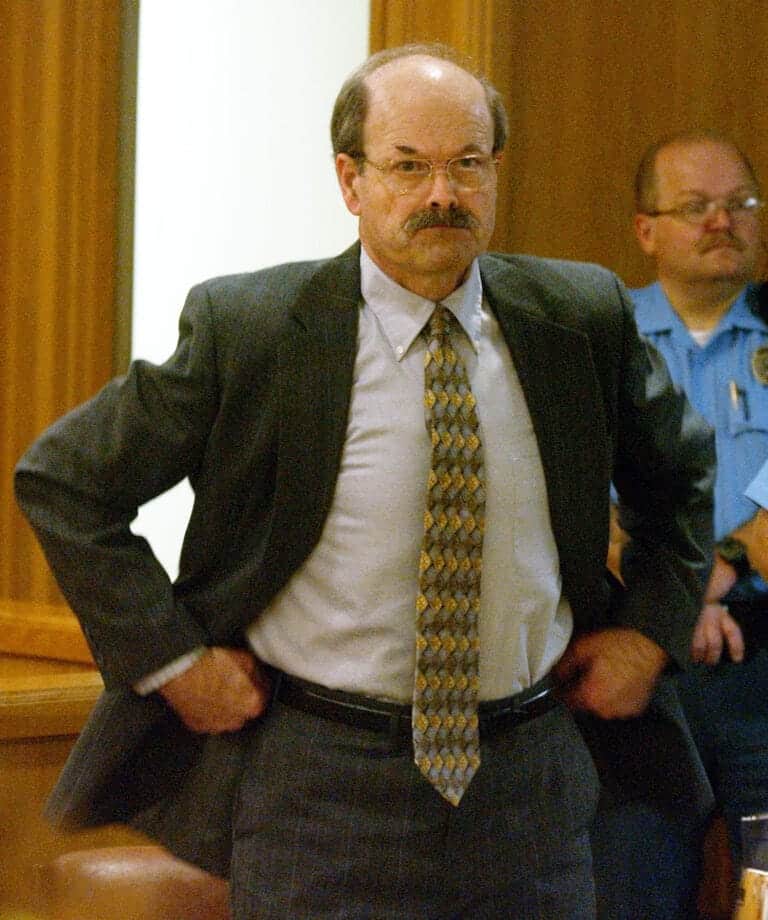
And maybe that is why the story still lingers.
He was not a shadowy figure in the distance.
He was the familiar face next door.
More From Daily Positive
 After a double shift at the hospital, I walked in and my 7-year-old daughter was missing. My mother said, “We voted. You don’t get a say,” while my sister cleared out my child’s room like it was a seizure. I didn’t scream. I stayed calm—and what I said next terrified them.
 On his birthday, my dad hit me and yelled, “What kind of worthless junk is this?” I left crying and ran away from home. But that same night, I was forced into a car and kidnapped… then the man beside me calmly said, “Hello, dear, I am your biological father.”
 Pick A Bowl Of Fries To See What Kind Of Person You Are.
 The Return of Name: Why 2026 Belongs to the “Neo-Vintage” Name
 My Daughter Married My Ex-Husband – but on Their Wedding Day, My Son Pulled Me Aside and Revealed a Shocking Truth
 The $75 Million Inheritance and the Divorce Clause That Backfired