Relations between Pope Leo XIV and Donald Trump appear to be entering a more delicate phase, shaped by differences in tone, priorities, and public messaging.
Although Pope Leo XIV holds the distinction of being the first American-born leader of the Catholic Church, his perspective on global issues has often diverged from that of Washington. His emphasis on humanitarian concerns—particularly migration and conflict—has placed him at odds with policies associated with Trump’s administration.
At the center of the tension is a broader philosophical contrast.
The Pope has repeatedly called for restraint, dialogue, and compassion, especially regarding migrants and displaced populations. In contrast, Trump’s approach—particularly on immigration enforcement and geopolitical strategy—has been viewed by critics as more assertive and security-focused. These differences have not remained abstract; they have surfaced in speeches, diplomatic exchanges, and symbolic decisions.
One moment frequently cited is the Pope’s annual address to the Vatican’s diplomatic corps. Without naming specific leaders, he warned against a shift toward force-driven diplomacy, emphasizing the need for cooperation over confrontation. Some U.S. officials reportedly interpreted those remarks as an indirect critique of American foreign policy.
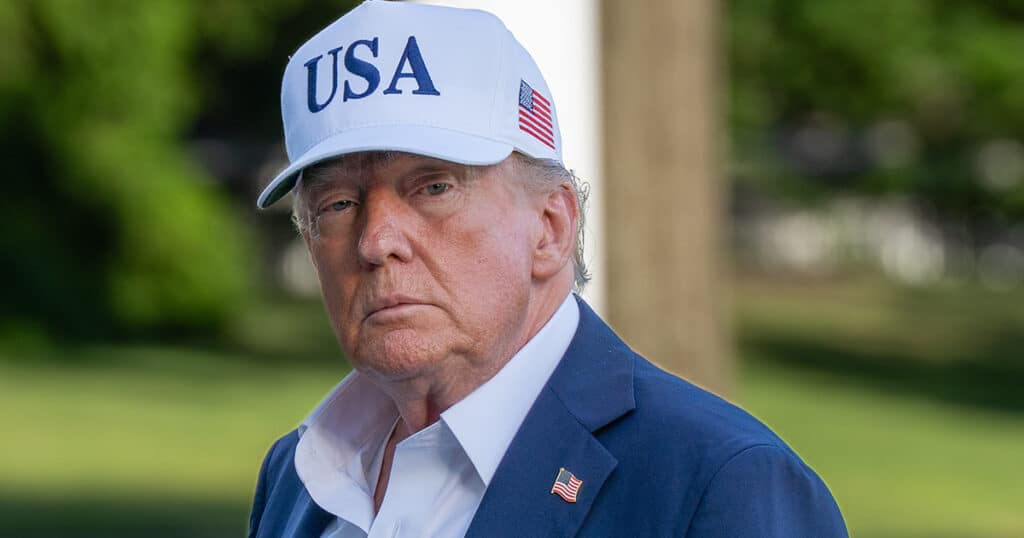
That interpretation appears to have contributed to an unusual development: a meeting between Pentagon officials and Cardinal Christophe Pierre, the Vatican’s envoy to the United States. While the Department of Defense later described the discussion as respectful and constructive, observers noted that such direct engagement at that level is relatively rare, which added to speculation about underlying friction.
The situation has been further shaped by symbolic gestures—or the absence of them.
Reports suggest that Pope Leo XIV may decline or limit visits to the United States during Trump’s presidency. Notably, he is not expected to attend upcoming national celebrations, including the country’s 250th anniversary. Instead, his planned visit to Lampedusa—a Mediterranean island closely associated with migrant arrivals—signals a deliberate alignment with humanitarian themes that have defined much of his leadership.
This choice, while not officially framed as political, carries clear messaging.
Lampedusa has long stood as a symbol of migration challenges and global inequality. By prioritizing that destination, the Pope reinforces his focus on vulnerable populations, even as debates over immigration remain highly charged in the United States.
At the same time, both sides have attempted to avoid escalating the situation publicly.
Official statements from U.S. institutions continue to emphasize respect for the Holy See and a willingness to maintain dialogue. Likewise, the Vatican has not issued any formal declaration of diplomatic conflict. What exists, instead, is a more subtle dynamic—one defined less by direct confrontation and more by differing worldviews expressed through speeches, decisions, and priorities.
Recent global developments have only added context.
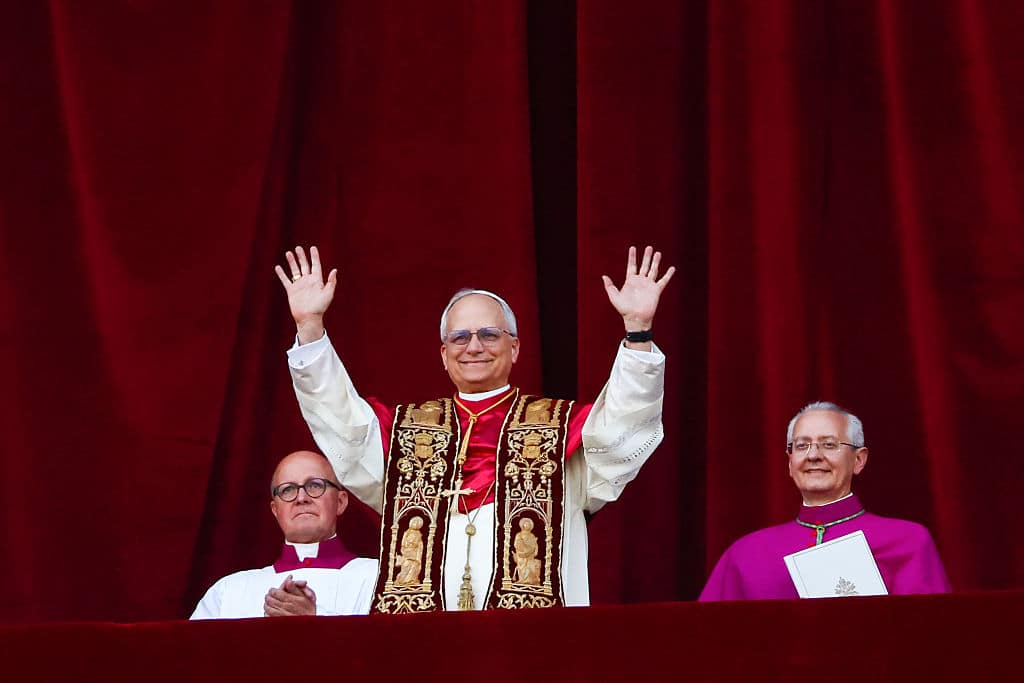
As tensions in the Middle East have fluctuated, Pope Leo XIV has advocated for de-escalation and welcomed temporary ceasefires. Meanwhile, strong rhetoric from political leaders, including Trump, has drawn criticism in various international circles. These contrasting tones further highlight the gap between a moral, pastoral approach and a more strategic, power-oriented one.
Taken together, the situation reflects something broader than a personal disagreement.
It illustrates the ongoing intersection between moral authority and political power—two forces that often move in parallel but not always in alignment. The Pope’s role, rooted in spiritual leadership, naturally leans toward advocacy for peace and humanitarian care. Political leadership, by contrast, must navigate national interests, security concerns, and domestic pressures.
Whether this period will lead to a lasting diplomatic strain or remain a temporary divergence is still uncertain.
For now, the relationship appears cautious rather than openly confrontational—marked by careful language, symbolic choices, and an underlying awareness of their global influence.
In many ways, it is less about conflict and more about contrast.
And that contrast continues to shape how both figures are perceived on the world stage.
More From Daily Positive
 The Silent Diagnostic: What Your Earwax Reveals About Your Internal Health
 The truth behind wild picture of ‘Jeffrey Epstein alive in Israel’ has finally been revealed
 Our Surrogate Gave Birth to Our Baby – The First Time My Husband Bathed Her, He Shouted, ‘We Can’t Keep This Child’
 My Father Sewed Me a Dress from My Late Mother's Wedding Gown for Prom – My Teacher Laughed Until an Officer Walked In
 Grandpa Left Me Only the Metal Lunchbox He Carried to Work Every Day, While My Siblings Got a House, Money, and a Car
 Barron Trump announces unexpected new career move