A quiet legal filing has brought a deeply personal chapter in the life of Tina Campbell into sharp public focus, marking a turning point that many didn’t expect—at least not this way.
For years, her marriage to Glendon ‘Teddy’ Campbell had unfolded not just behind closed doors, but in front of audiences, fans, and critics alike. Now, that long story appears to be reaching a new and uncertain ending.

It was reported that on April 15, 2026, Glendon filed for divorce in Los Angeles County, citing irreconcilable differences. The move comes after more than two decades of marriage—the couple tied the knot in August 2000—and nearly two years after their reported separation in June 2024.
The filing itself is relatively restrained in tone. It notes that the couple shares two minor children and requests that issues like visitation and spousal support be handled later in the process. There is also no immediate dispute over property listed, suggesting that either arrangements have already been made privately or that both parties are approaching this phase with a degree of caution.
Still, the emotional weight of the situation goes far beyond the legal language.

To many, Mary Mary—the group Tina formed with her sister Erica Campbell—represented not only musical success but a message of faith, resilience, and restoration. That image extended into her marriage, especially after the couple publicly renewed their vows in 2015, a moment that once symbolized healing and recommitment.
At the time, Tina spoke with visible emotion about rebuilding her life and relationship, reflecting on how far they had come after enduring hardship. It was a narrative many people held onto—a story of reconciliation that seemed to defy the odds.
But that history has also made the current development more complex.

Years earlier, Tina had openly shared that her marriage had been shaken by repeated infidelity, a deeply painful experience that played out publicly through their reality series. In interviews and television appearances, she described the emotional toll, the confrontation, and the long process of working through betrayal.
Rather than walk away at that time, the couple chose to rebuild—leaning into counseling, faith, and a shared commitment to restoration. That decision shaped not only their personal lives but also their public identity, as they later developed a ministry focused on healing relationships and supporting couples facing similar struggles.
Because of that, the current divorce filing has prompted strong reactions.
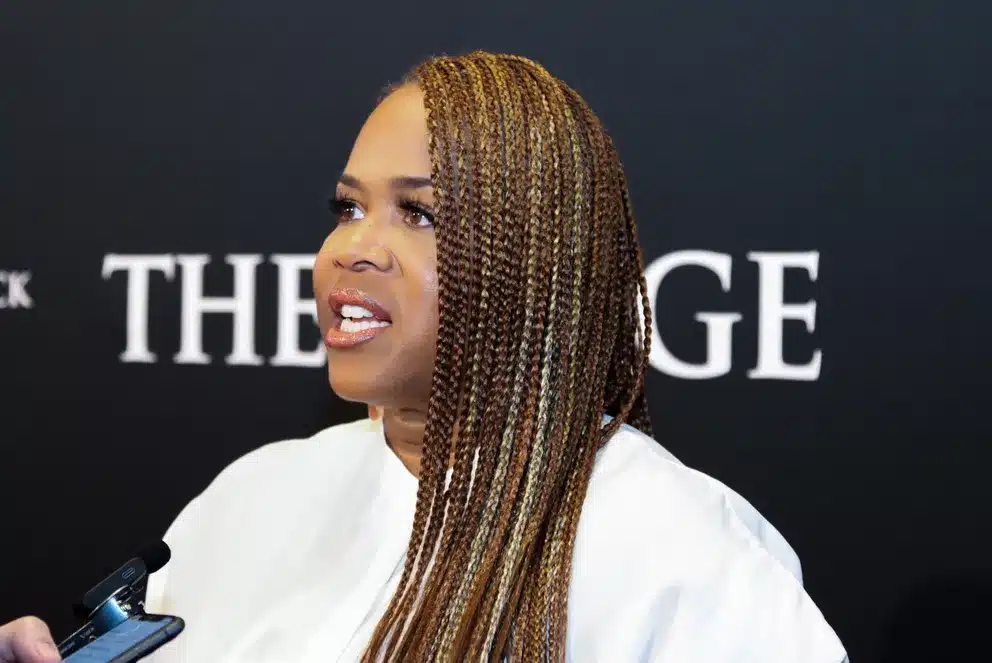
Across social media, responses have ranged from sympathy to reflection. Some have expressed support for Tina, suggesting that this outcome may have been inevitable after years of strain. Others have pointed to the difficulty of sustaining a relationship once trust has been deeply fractured, no matter how much effort is put into repairing it.
There is also a quieter, more contemplative tone in many reactions—an acknowledgment that not every story of reconciliation has a permanent resolution.
Recent glimpses into Tina’s life have only added to the conversation. In early April, she shared images from a family-centered Easter gathering, appearing joyful and grounded. Notably, Glendon was absent from those moments, a detail that, in hindsight, has drawn increased attention.
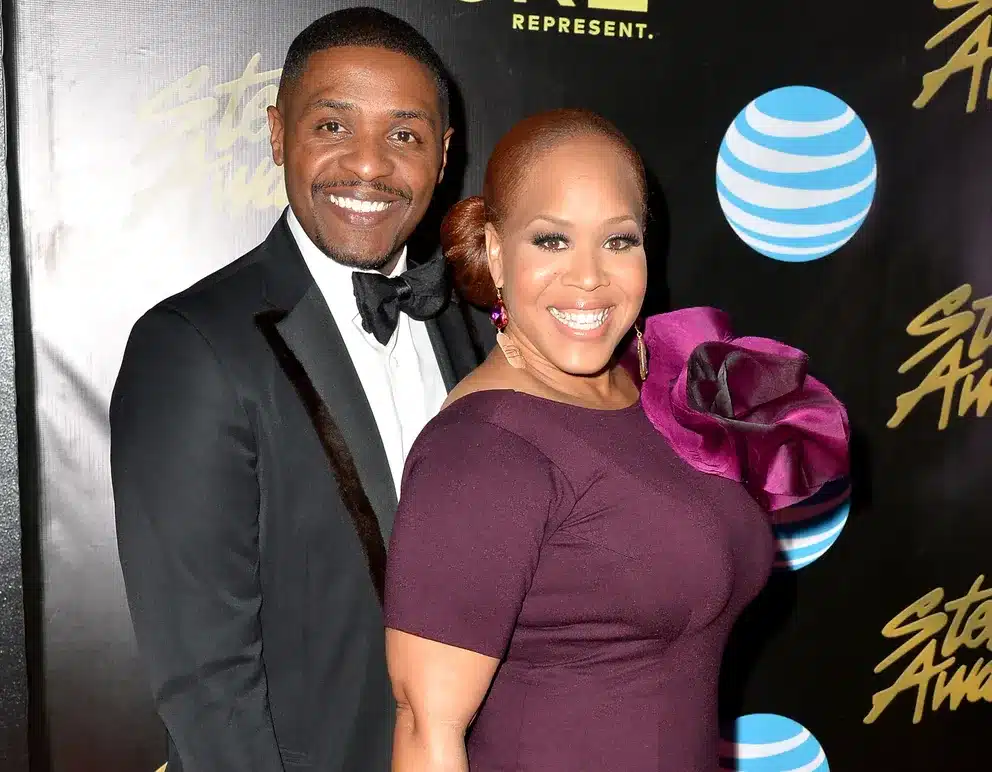
For some observers, that absence now feels less like coincidence and more like a subtle signal of where things stood behind the scenes.

What makes this situation particularly striking is not just the divorce itself, but the contrast between past and present. A relationship once held up as a testimony of healing is now entering a phase defined by separation—quietly, legally, and without the kind of dramatic public statements that often accompany high-profile splits.

There is no single narrative that fully explains it.
What remains is a relationship that has endured public scrutiny, personal struggle, and attempts at rebuilding—now shifting into something new, with many unanswered questions still unfolding.
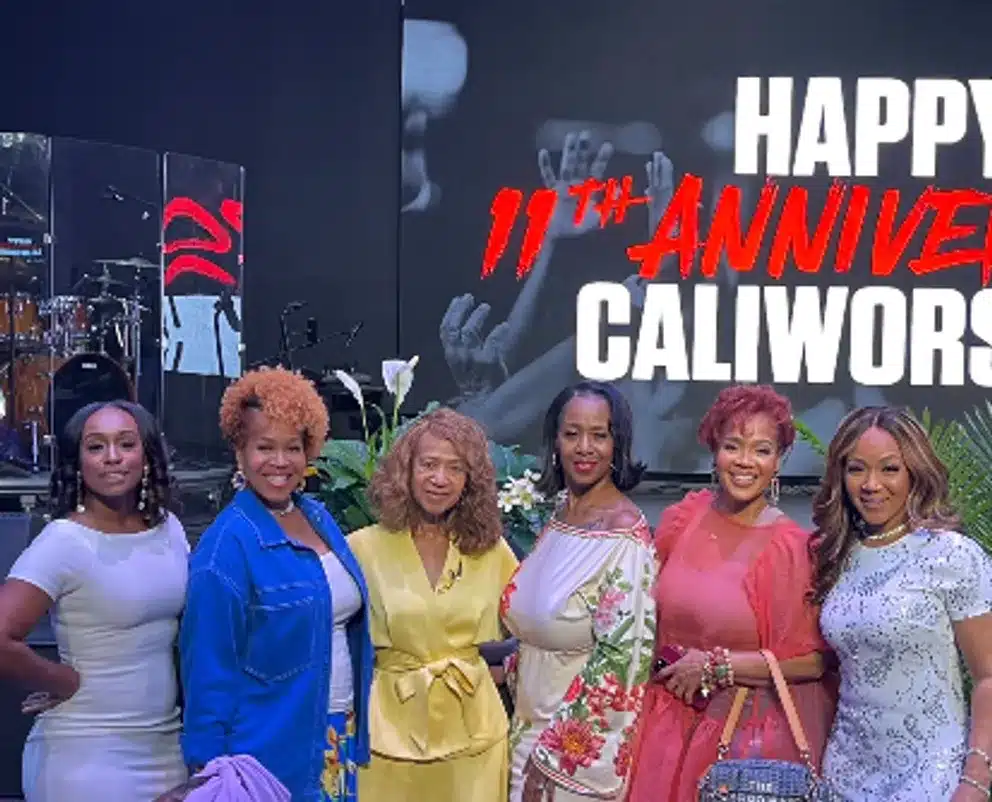
As the legal process moves forward, attention will likely remain fixed not just on the outcome, but on what this moment represents: the end of a long, visible chapter, and the beginning of another that is far less certain.
More From Daily Positive
 The tragic life story of the star known as the “voice of a generation”
 A Girl Appeared Beside My Hospital Bed — Then She Said My Name
 Colorado toddler set to die on Friday – devastated family give heartbreaking update
 When my parents refused to pay for my university education, they said it was to teach me independence. Ironically, my sister never received that lesson. She had absolutely everything covered.
 I watched my father throw my clothes, my books, and the last photo of my mother into the fire like my life meant nothing. Then he looked at me and said, “This is what happens when you disobey me.”
 Vets reveal very last thing all pets do before being put down and it’s heartbreaking