In January 1998, Tom and Eileen Lonergan set out for what should have been an unforgettable day on the Great Barrier Reef. Instead, their dive off St. Crispin’s Reef became one of the most haunting disappearances in modern travel history—a real-life tragedy that later inspired Open Water.
The Louisiana couple were experienced divers and had spent time traveling through the South Pacific after service in the Peace Corps. On January 25, they joined a group trip aboard the MV Outer Edge, heading into the Coral Sea with other tourists and crew. By all appearances, it was an ordinary excursion. But somewhere between the dives, a catastrophic mistake was made.
At some point during the outing, Tom and Eileen were left behind in open water. The boat crew failed to realize they were missing, and their absence did not trigger an alarm until two days later, when their unclaimed belongings were discovered still onboard. By then, precious time had already been lost. A large-scale air and sea search followed, but there was no sign of them.
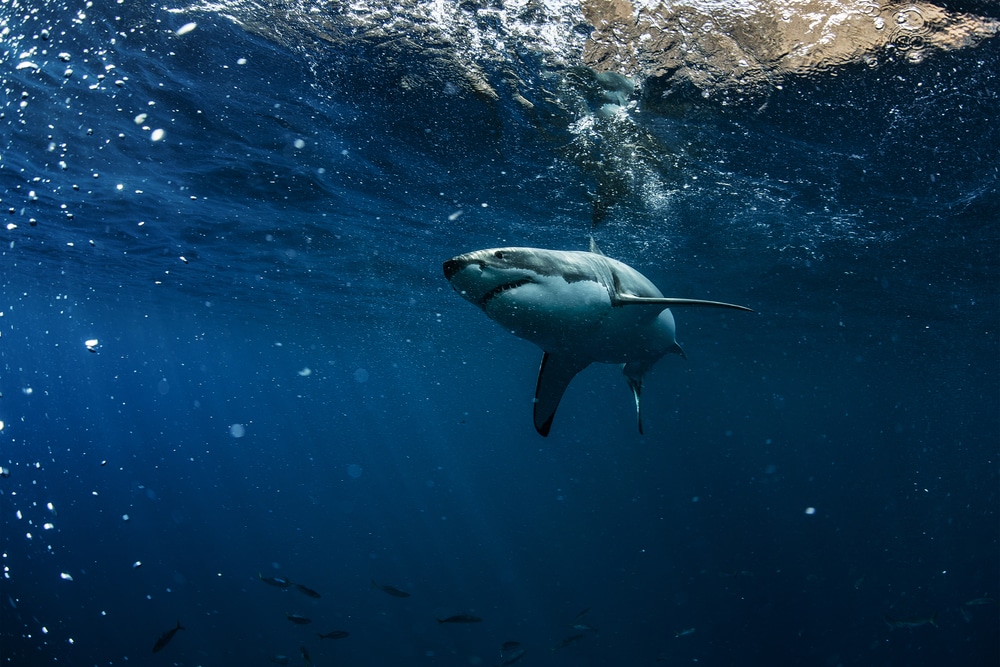
What happened next only deepened the dread surrounding the case. Over the following days and months, pieces of their diving equipment washed ashore—buoyancy vests, tanks, a wetsuit believed to be Eileen’s, and other personal items. Their bodies, however, were never recovered.
The case quickly drew worldwide attention, not only because of the horrifying idea of being abandoned at sea, but because of the questions it raised. Was it simply a tragic accident caused by a failed headcount? Or had something darker happened?
Part of the mystery came from personal diary entries later uncovered during the investigation. Excerpts from Tom’s journal suggested a man wrestling with bleak thoughts about life and death. Eileen’s writings included a troubling reflection that Tom had a “death wish” and that she feared she could be caught in it. Those words fueled intense speculation at the time.
But that theory never fully held. According to later reporting and the official findings summarized in the case history, the coroner rejected the idea that the Lonergans had faked their disappearance or intentionally chosen death at sea. Family members also argued that the diary excerpts had been taken out of context, saying only selected lines were leaked while the larger body of writing remained unseen by the public.
Investigators instead focused on the far more immediate explanation: they had been left behind, and the ocean did the rest. Experts later suggested dehydration, exhaustion, delirium, and eventual drowning were more likely than any elaborate plot. Shark attack was widely discussed, especially because of the area and the condition of some recovered gear, but it was never definitively established as the cause.
The aftermath reshaped Australia’s dive tourism industry. The disappearance triggered a major crisis of confidence and led to tighter safety regulations, including stricter headcount procedures for dive boats. The skipper was charged with unlawful killing, though later found not guilty, while the dive company pleaded guilty to negligence and ultimately collapsed.
In the years since, Tom and Eileen Lonergan’s story has remained so haunting because it sits at the intersection of human error, vast natural danger, and unresolved loss. There was no final rescue, no confirmed last sighting beyond the dive itself, and no bodies ever returned home. Just scattered equipment, diary fragments, and the terrifying possibility of what their final hours may have looked like.
That is why the case still lingers. Not because it invites wild theories, but because the simplest explanation is already devastating enough. A couple went diving in one of the world’s most beautiful places—and, through a chain of ordinary mistakes, vanished into open water.
More From Daily Positive
 After My Grandma's Death, My Husband Rushed Me to Sell Her House — When I Learned the Reason, I Was Furious and Made Him Regret It
 I bought my $550,000 house in secret because I knew the people closest to me would try to take it the moment they found out.
 My Husband Left Me for Giving Birth to a Girl – Years Later, I Saw Him in a Supermarket, and My Daughter Did Something I’ll Never Forget
 Doctors reveal that guava leaf tea causes…
 I won $89 million in the lottery and didn’t tell a soul. Hours later, my son, without a hint of affection, blurted out, “Mom, when are you planning on leaving our house?” Inside, I was devastated, but I didn’t say a word. I left quietly. The next morning, I bought their dream house… and when they discovered it would never be theirs, the real story began.
 I came across this in my girlfriend’s bathroom, and I’ve been staring at it for an hour—I still have no idea what it’s supposed to be.