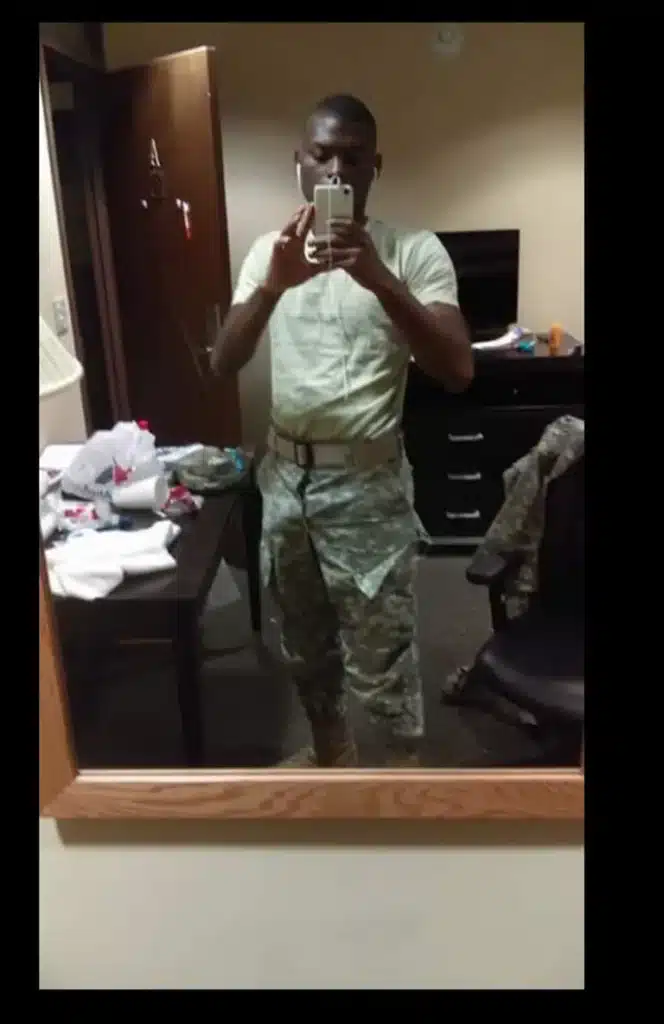
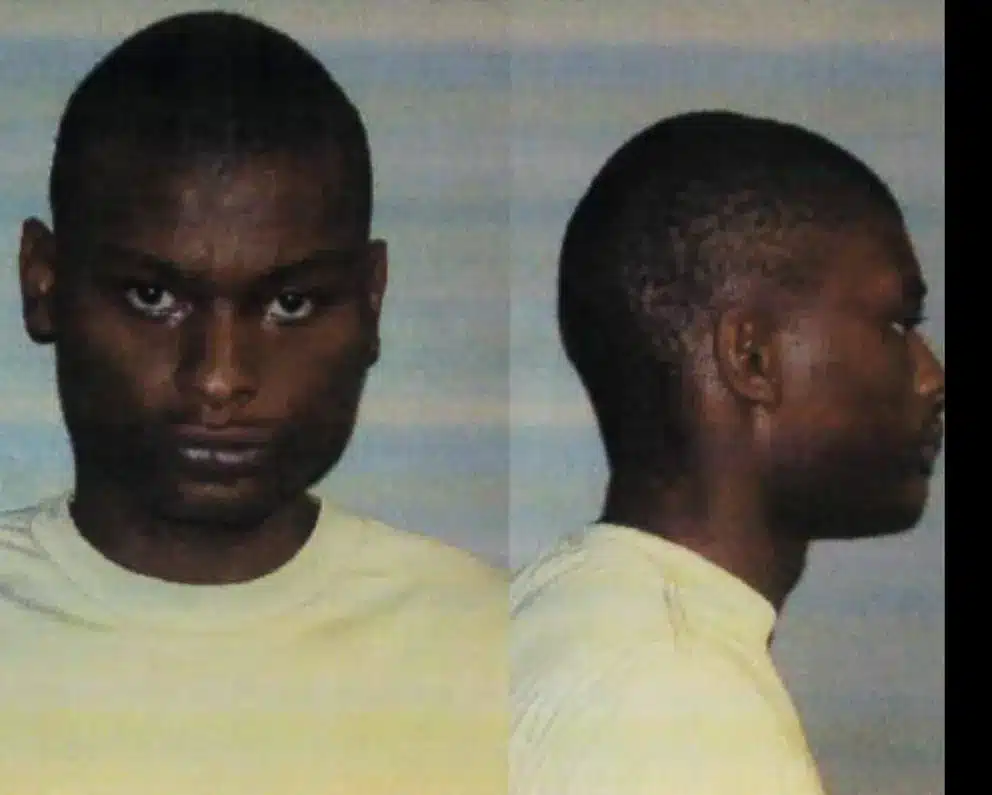
A closer examination of Shamar Elkins’ social media activity is drawing intense attention after the mass killing in Shreveport, Louisiana, but the central reality remains the devastating violence itself: authorities say eight children were killed, seven of them his own, and two women were critically wounded in an attack tied to a domestic situation. Police say Elkins later died after fleeing, carjacking a vehicle, and being involved in a confrontation with officers.
Investigators say the violence unfolded across multiple locations early on April 19, beginning in Shreveport and ending in nearby Bossier City. Police described the case as one of the worst tragedies the city has faced, and local reporting says the scene stretched from homes in the Cedar Grove area to the final chase and shooting site. Authorities have not yet fully resolved whether Elkins died from police gunfire or a self-inflicted wound.
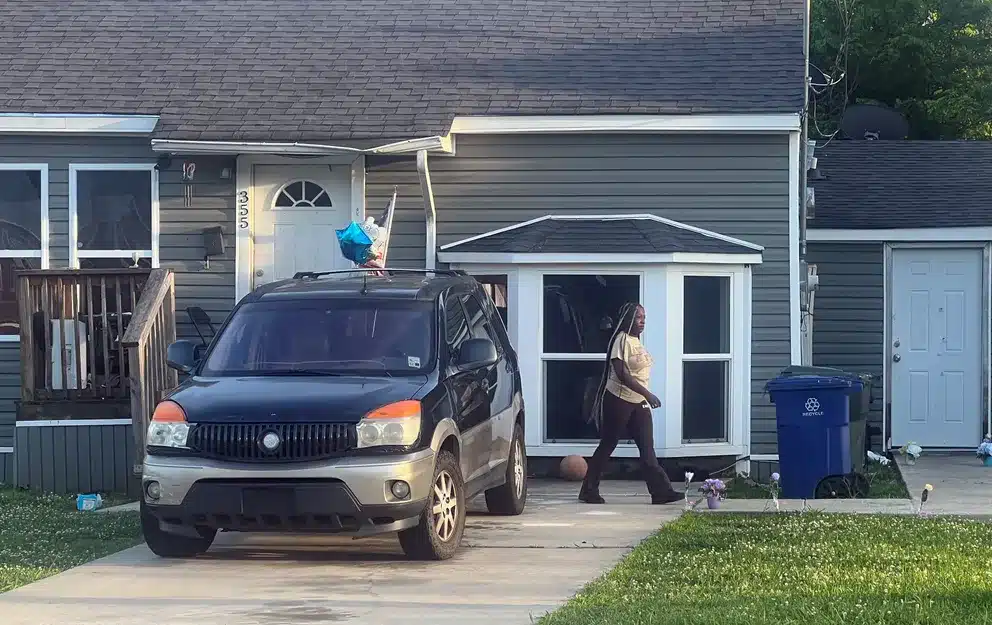
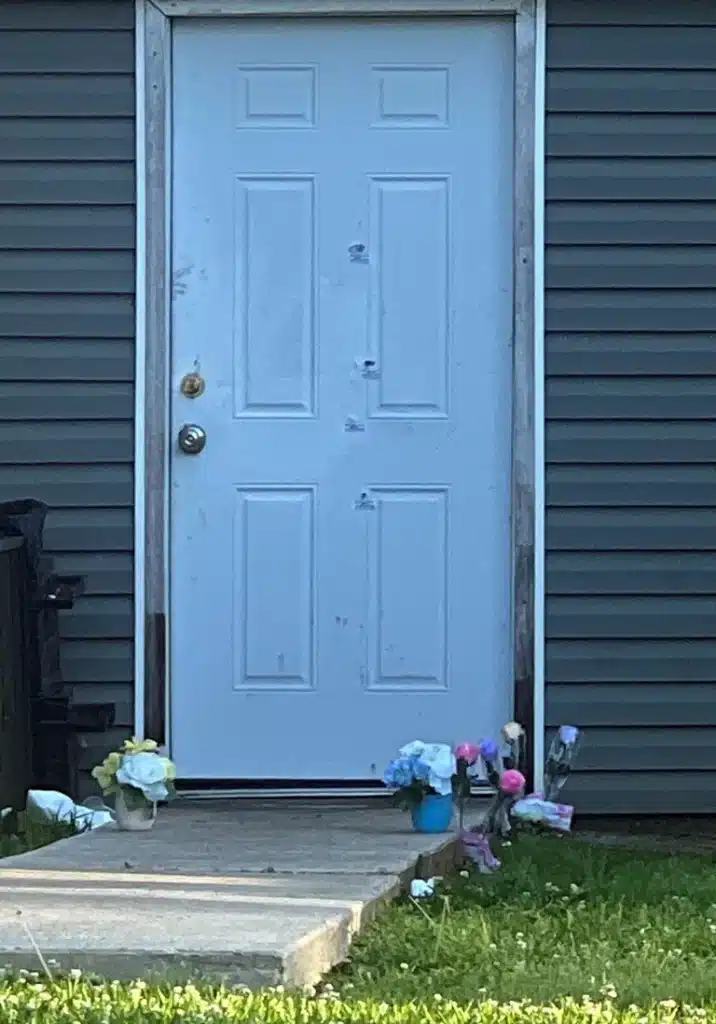
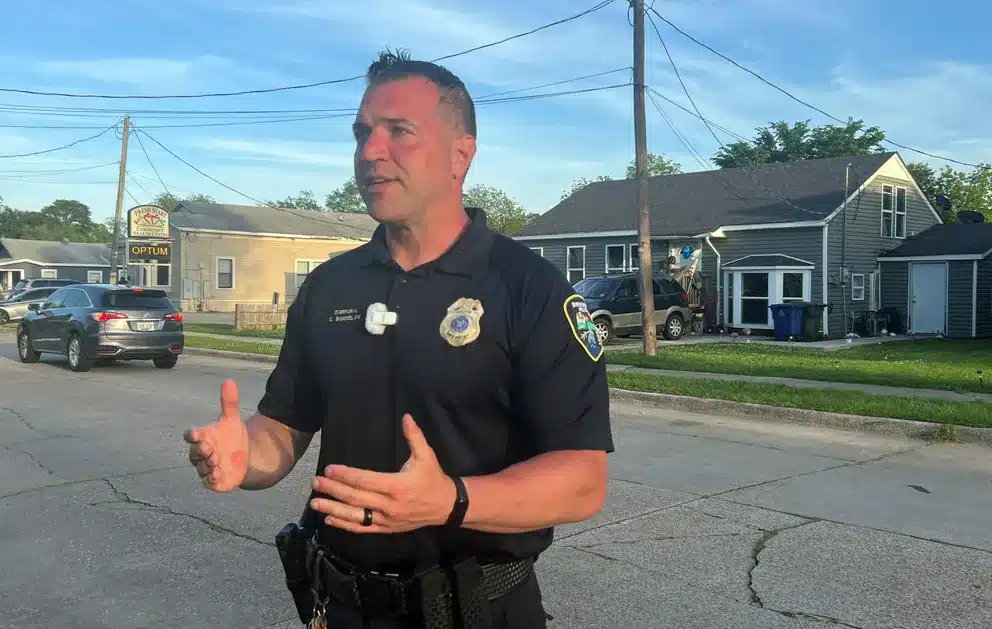
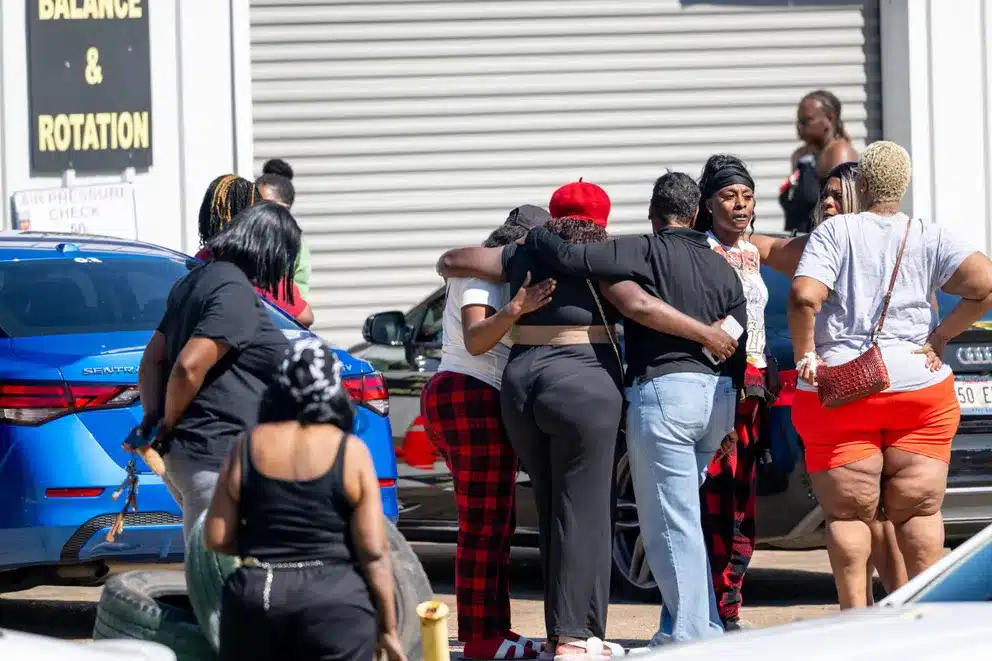
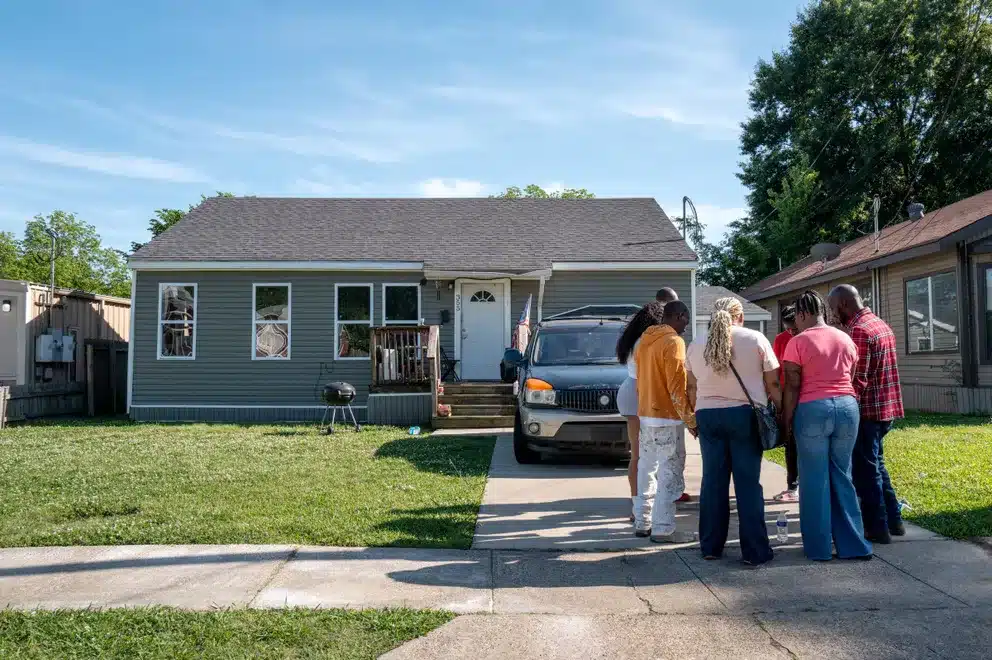
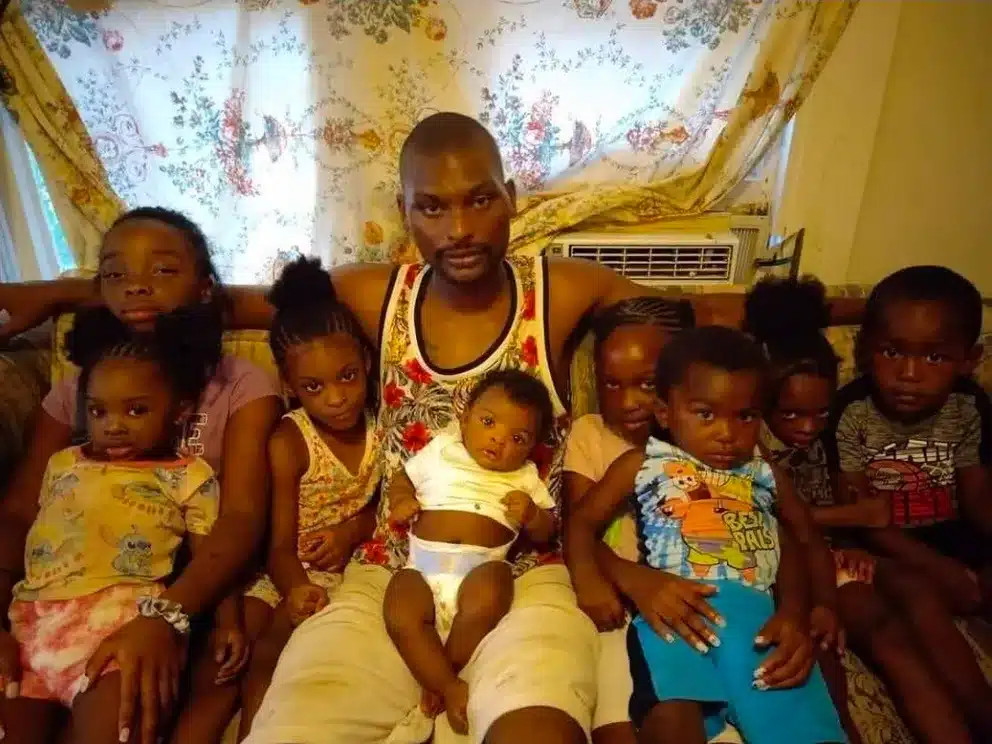
The victims were later identified by officials as children ranging from ages 3 to 11. Two women survived with serious injuries, including Elkins’ wife. Officials have described the case as a domestic violence incident, and family members told reporters that Elkins and his wife were in the middle of a separation, with a court date reportedly scheduled for the next day.
As the investigation continues, online attention has shifted to Elkins’ public posts and reported comments in the days and weeks before the killings. According to published reports, he had recently spoken to family members about “dark thoughts” and suicidal feelings, and one relative recalled him saying that some people “don’t come back from their demons.” Those details, combined with later social media posts about faith, anxiety, anger, and depression, are now being read very differently in hindsight.
Other reports have added more background that is now under scrutiny. The Associated Press reported that Elkins had a 2019 felony firearms conviction, which legally barred him from possessing guns for 10 years, yet police say he used an assault-style weapon in the killings. Local reporting has also pointed to an earlier weapons case in Caddo Parish. That has raised broader questions about enforcement, access to firearms, and whether warning signs could have been recognized sooner.
Social media users have been revisiting his March and April posts, trying to piece together a timeline from his own words. But while those posts are now fueling public speculation, officials have not said that social media alone explains motive. At this stage, the case appears to remain focused on domestic violence, the sequence of events across the different locations, and how such a catastrophic outcome was able to unfold.
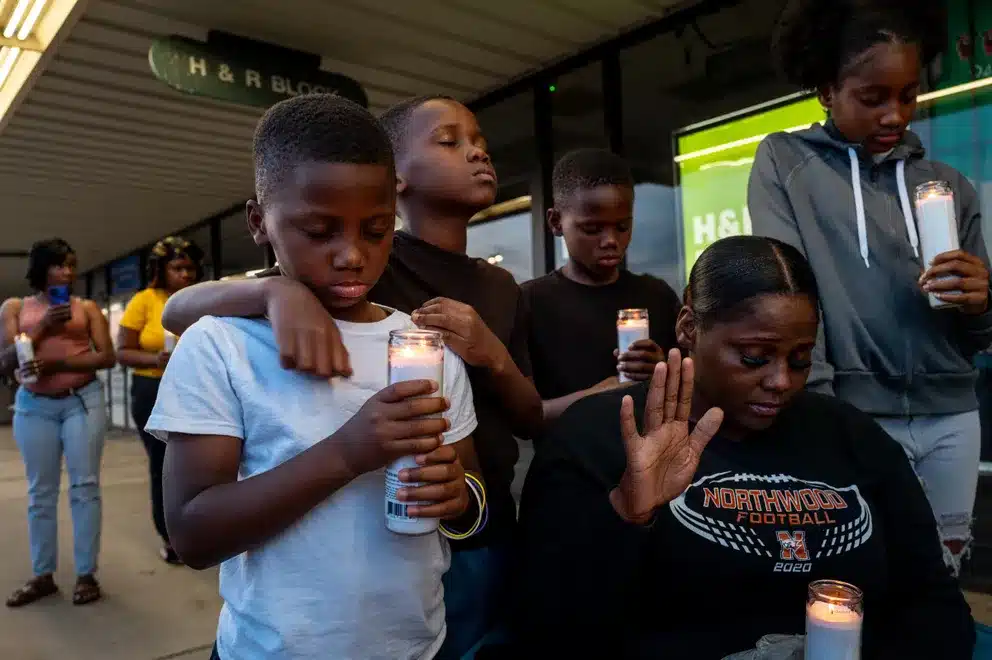
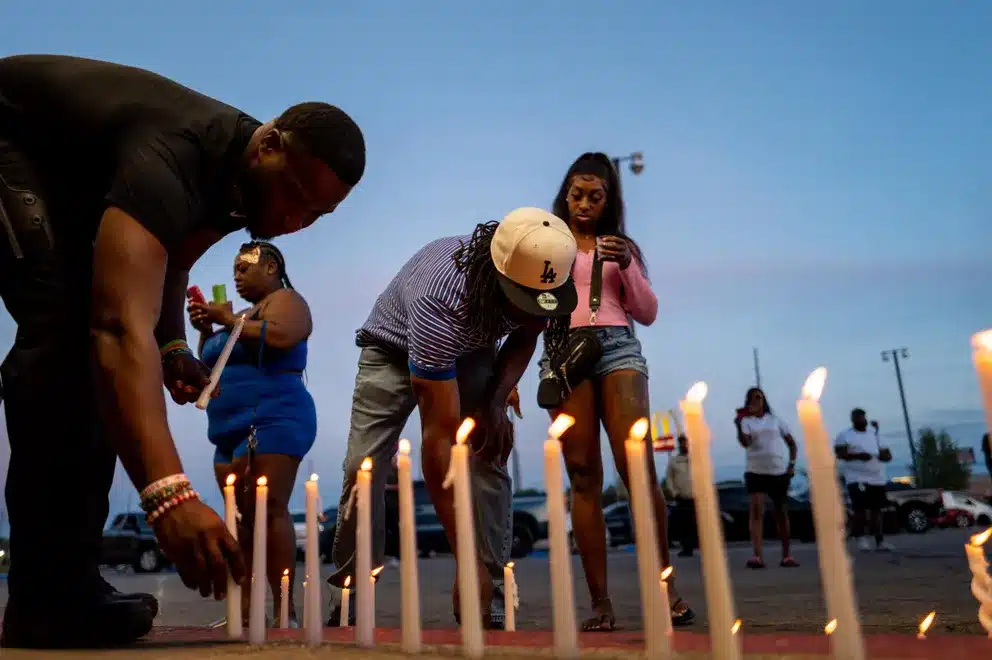
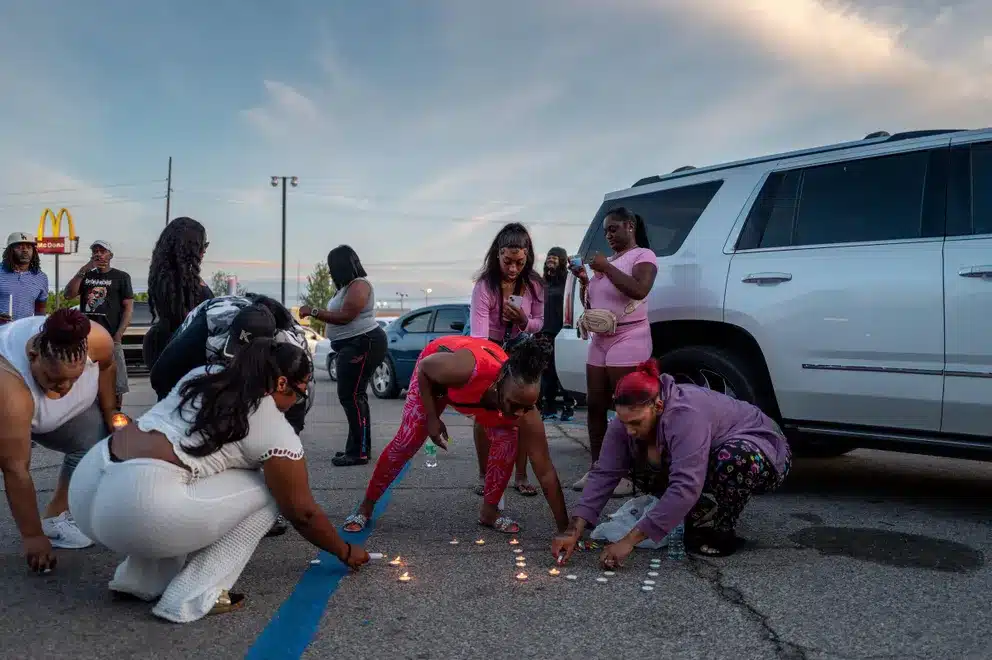
In the aftermath, the city has responded with vigils, prayer gatherings, and grief support as families and neighbors try to absorb the scale of the loss. Community leaders have emphasized the suffering of the victims and the need for support for survivors, relatives, classmates, and first responders.


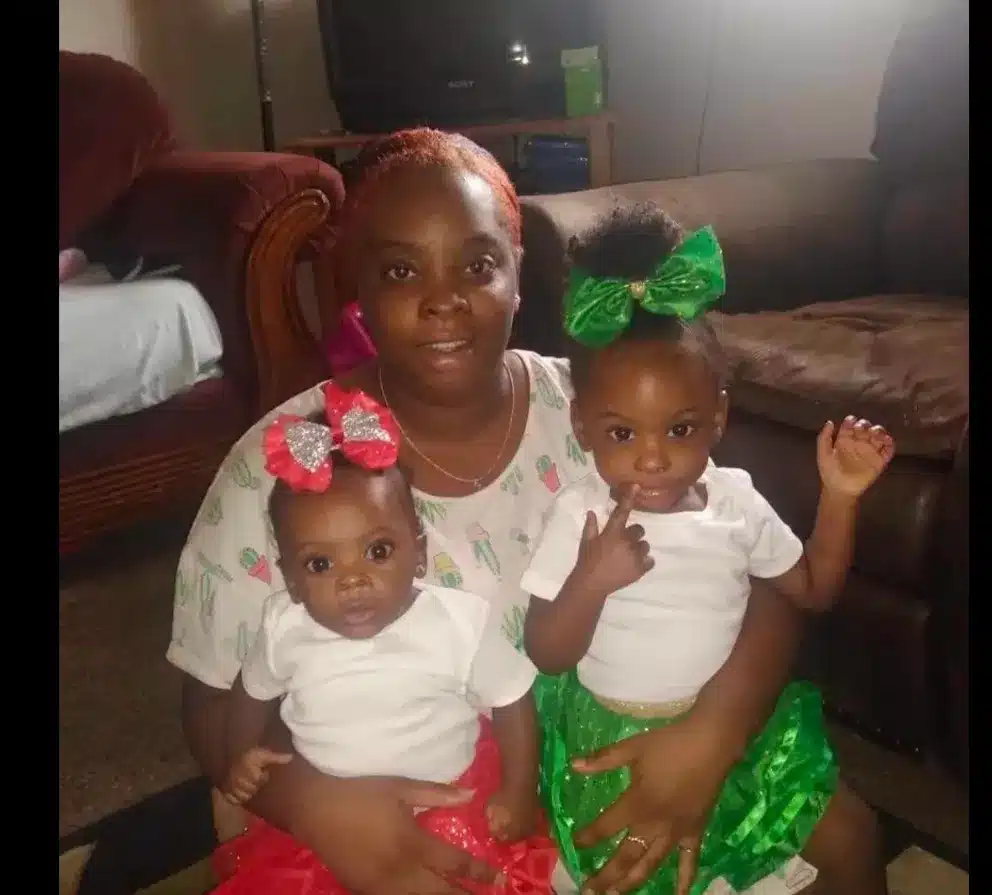
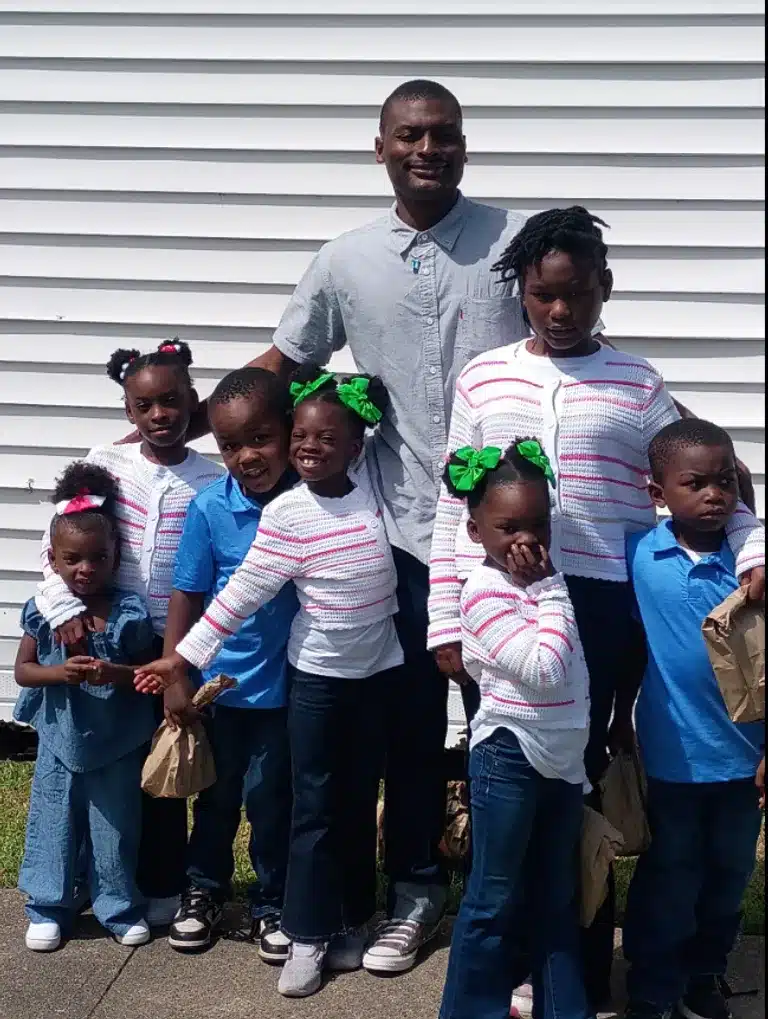

What remains most striking is not only the horror of what happened, but how many questions are still unresolved. Investigators are still working through the full timeline, the weapon access issue, and whether earlier intervention might have changed anything. For now, the focus remains on the children who were killed and the families left behind.
More From Daily Positive
 Signs of pancreatic cancer you should never ignore
 Five days after the divorce, my ex-mother-in-law walked into the house and snapped, “Why are you still here?” But she froze when I told her who had paid for every brick…
 My parents skipped my wedding to fly to Dubai with my brother. I asked my husband’s father to walk me down the aisle instead. The documentary crew filmed everything. It went viral with 14 million views. A few days later, I had 93 missed calls….
 Nutritionists say that consuming boiled eggs raises…
 I Chose to Wear My Grandma's Prom Dress in Her Honor – But the Tailor Gave Me a Note Hidden in the Hem That Revealed She Lied to Me My Whole Life
 Louisiana shooter Shamar Elkins’ chilling remarks before killing his 7 kids and their cousin