He is the commander-in-chief.
But during one of the most tense moments of a military operation, Donald Trump was reportedly not inside the White House Situation Room.
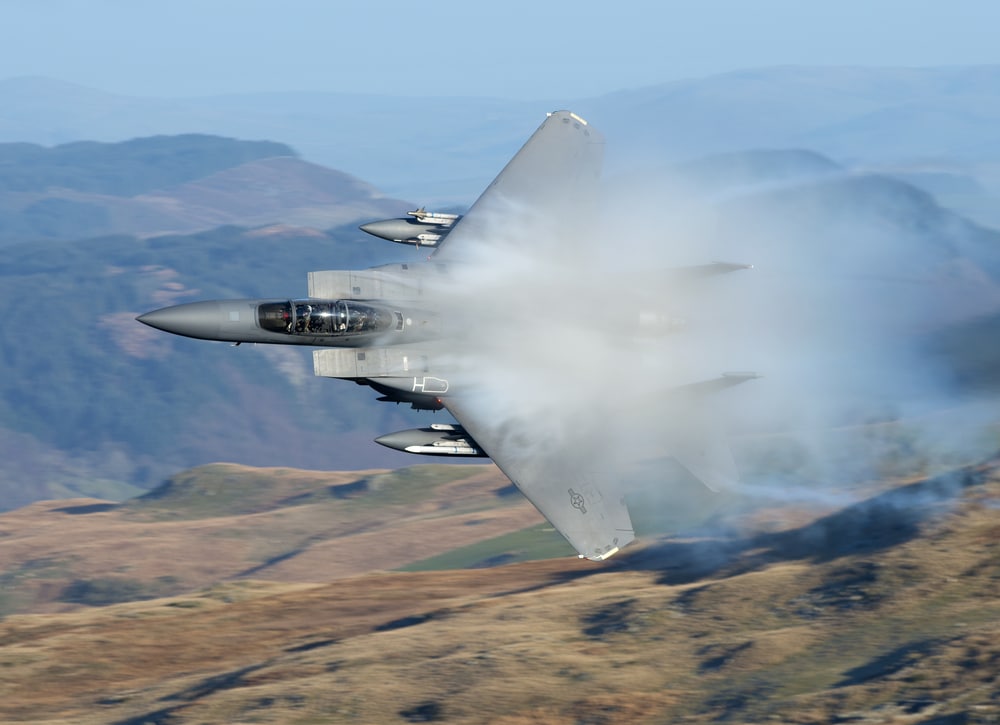
According to reporting by The Wall Street Journal, the incident began on April 3, when an F-15E Strike Eagle went down over southwestern Iran during active military operations. The crash scattered the two-person crew across hostile terrain, immediately triggering a high-risk search-and-rescue mission.
One of the airmen was located and recovered quickly. The second, however, remained missing for more than 24 hours, turning the situation into a race against time in contested territory.
Inside Washington, the response was urgent—and, according to reports, tense.
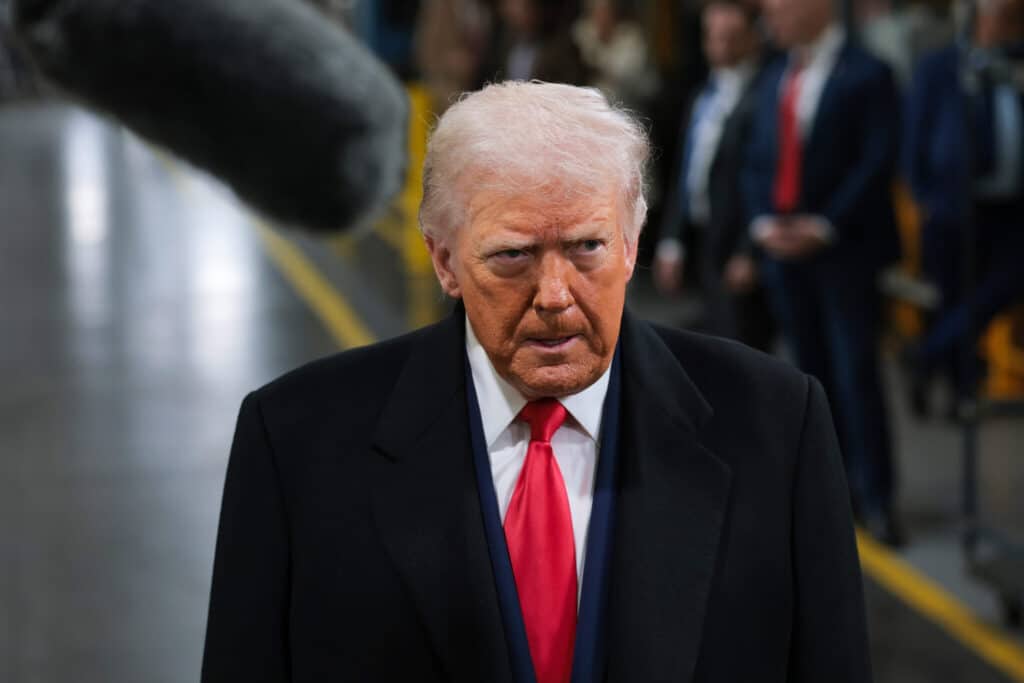
Trump was said to have reacted angrily upon learning that two service members were unaccounted for, reportedly raising his voice and expressing frustration with aides in the West Wing for hours. During that exchange, he is said to have referenced the political fallout from the Iran hostage crisis, noting how it affected the presidency of Jimmy Carter.
While the operation unfolded, senior officials—including Vice President JD Vance and White House Chief of Staff Susie Wiles—were reportedly in the Situation Room receiving real-time updates.
Trump, however, was not.
Instead, aides are said to have kept him outside the room, providing updates by phone at key moments rather than continuous briefings. One senior official explained that the decision was based on concerns that his impatience could disrupt the flow of information during a critical operation.
The White House offered a different framing. Press secretary Karoline Leavitt stated that the president remained steady throughout the situation, emphasizing that he was kept informed as events developed.
The rescue mission ultimately ended successfully on April 4. U.S. forces located and extracted the missing airman, with officials crediting intelligence support from the Central Intelligence Agency for identifying his position.
One official described the operation as the ultimate “needle in a haystack,” noting that the pilot had been hidden in terrain so difficult to detect that only advanced intelligence capabilities made the rescue possible.
The incident unfolded against a backdrop of escalating tensions between the United States and Iran, where diplomatic efforts have remained uncertain and fragile.
In recent days, Trump has used strong language when discussing the situation, warning that if negotiations fail, the United States could take aggressive action against Iranian infrastructure. In one statement, he suggested that failure to reach a deal could lead to widespread destruction, remarks that have drawn both concern and criticism.
Iranian officials have responded with their own warnings, signaling that they are prepared for further escalation if necessary. At the same time, the possibility of renewed negotiations remains unclear, with neither side confirming whether planned talks will proceed.
A ceasefire between the two sides is also nearing expiration, and Trump has indicated that an extension is unlikely.
Taken together, the episode raises a broader question—not just about one operation, but about leadership style during moments of crisis.
On one hand, the mission itself ended successfully, with the missing airman brought home safely. On the other, the reported decision to keep the president outside the Situation Room during such a high-stakes moment has sparked debate about how information flows, decisions are made, and authority is exercised at the highest level.
In situations like this, outcomes matter—but so does process.
And in this case, both are now part of a story that continues to unfold.
More From Daily Positive
 Donald Trump sparks concerns after sharing chilling post stating “the end is near”
 It's with heavy hearts that we report the sad news about this true legend - Rest in peace
 With heavy hearts, we announce his passing of this beloved actress who gave us so much
 My 12-Year-Old Daughter Cut Off Her Hair for a Girl with Cancer – Then the Principal Called and Said, 'You Need to Come Now and See What Happened with Your Own Eyes'
 Army Veteran's Last Social Media Post Hours Before Shreveport Tragedy
 Shamar Elkins' Recent Posts and Messages Draw Attention Online as New Details Emerge — Photos