The film became a massive success, and Allen suddenly found herself recognized around the world.
For many actors, that kind of breakout role would have been the beginning of an all-consuming Hollywood career.
Karen chose something very different.
Decades later, her life is far removed from the endless premieres, studio meetings, and pressure of Los Angeles.
Instead, she found a quieter home in the Massachusetts countryside, raised her son there, returned to an artistic passion she had loved before acting, and eventually built a business creating textiles by hand.
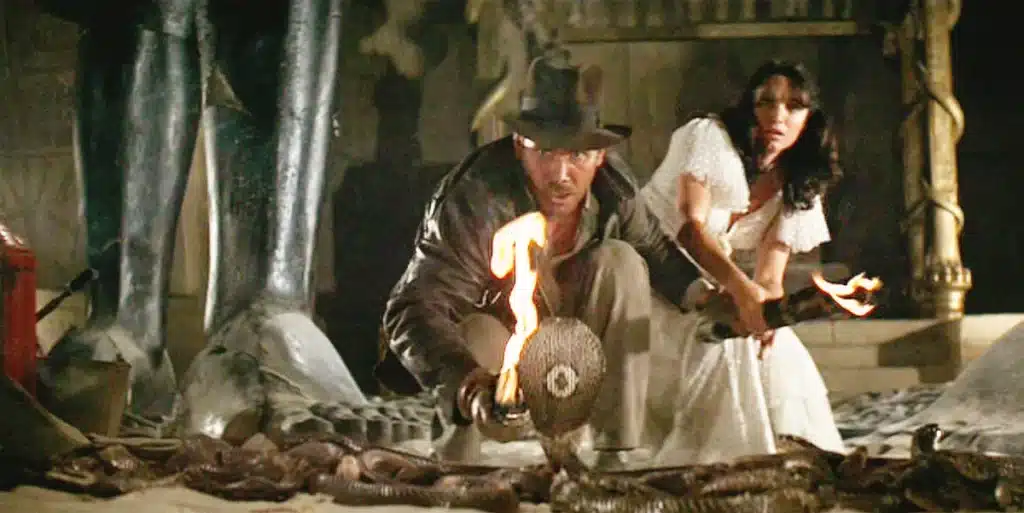
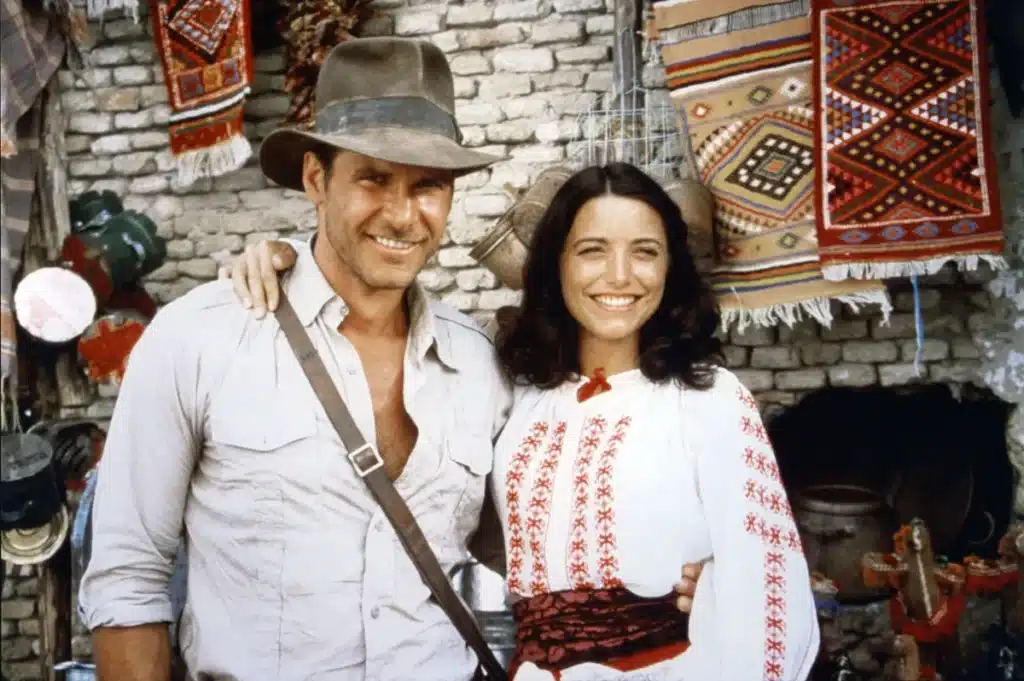
It is a path few people might have predicted when audiences first watched her running through temples and trading lines with Harrison Ford.
Allen had begun acting professionally before *Raiders*, making her film debut in 1978.
But Marion Ravenwood changed everything.
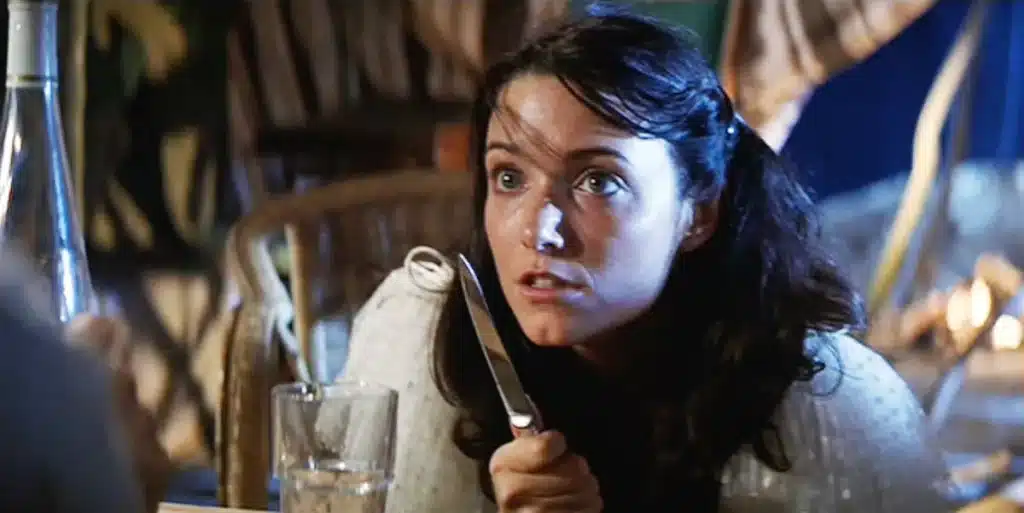
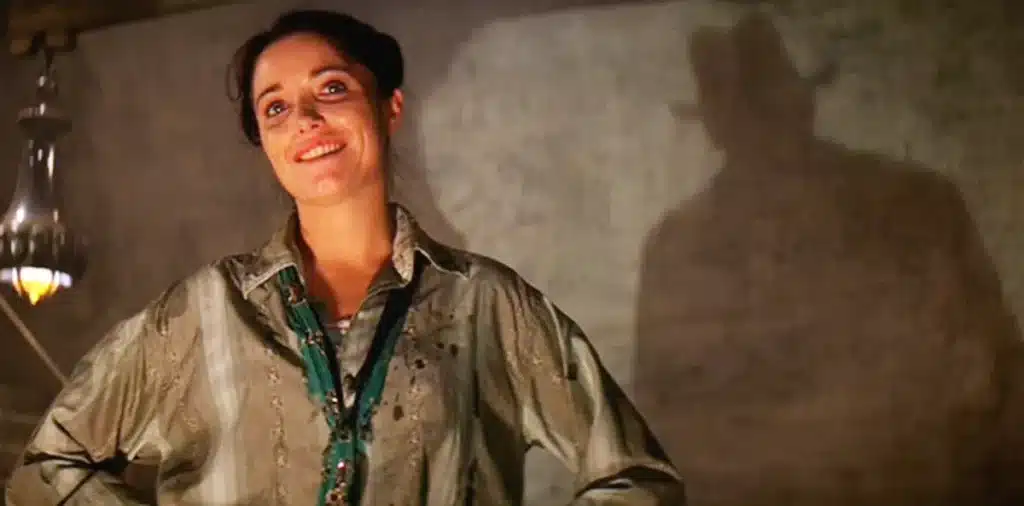
The character became one of the most memorable women in the Indiana Jones franchise, and Allen has said she remains amazed that the movie still attracts new audiences decades after its release.
Reflecting on its lasting popularity years later, she described it as extraordinary that people continued watching, discussing, and celebrating the film after so much time.
What made her story unusual was what happened after that success.
Rather than chasing increasingly large Hollywood productions, Allen became more selective.
She accepted smaller projects that interested her personally and gradually began building a life that did not revolve entirely around film.
For her, fame had never been the only goal.
She once explained that the choices she made were simply what she genuinely wanted.
One of the biggest turning points came after she became a mother.
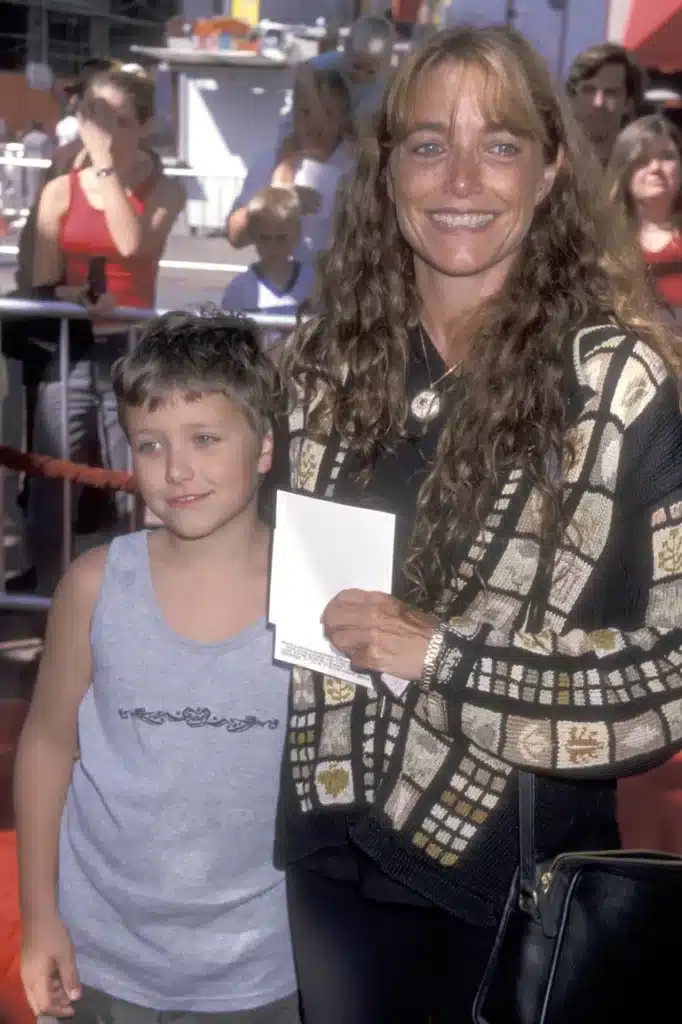
Her son, Nicholas Browne, was still very young when Allen began thinking seriously about leaving city life behind.
She did not want childhood to consist of constantly pulling him out of school whenever another filming schedule appeared.
And the place she kept returning to in her mind was the Berkshires.
Her connection to the area had begun years earlier.
She had first spent time there while working at the Berkshire Theatre Festival, but one particular trip made the region feel like more than somewhere she occasionally visited.
In 1988, Allen and her then-husband, actor Kale Browne, went to the Berkshires for a New Year ski trip.
The weather was miserable.
Cold.
Windy.
The kind of day that can make even enthusiastic skiers rethink their plans.
So instead of spending all their time on the slopes, they decided to look at property.
That spontaneous decision changed the direction of Allen’s life.
They discovered an old post-and-beam barn dating back to 1792, surrounded by roughly 28 acres of land.
Snow covered much of the property, but Allen felt an immediate connection.
She later compared finding the right house to meeting the right person.
Sometimes, she said, you simply know.
They did not move there immediately.
But Allen never forgot the feeling.
Several years later, in 1993, she decided to make the Berkshires her permanent home.
By then, Nicholas was about three years old.
The move gave her something Hollywood rarely could.
Stability.
Space.
Quiet.
A place where her son could grow up without constantly being uprooted because of her career.
Allen enrolled Nicholas at the Rudolf Steiner School in Great Barrington, drawn to the school’s more holistic approach to education.
She wanted him to have a childhood rooted in one community.
Over the years, Nicholas developed his own creative passion.
Food.
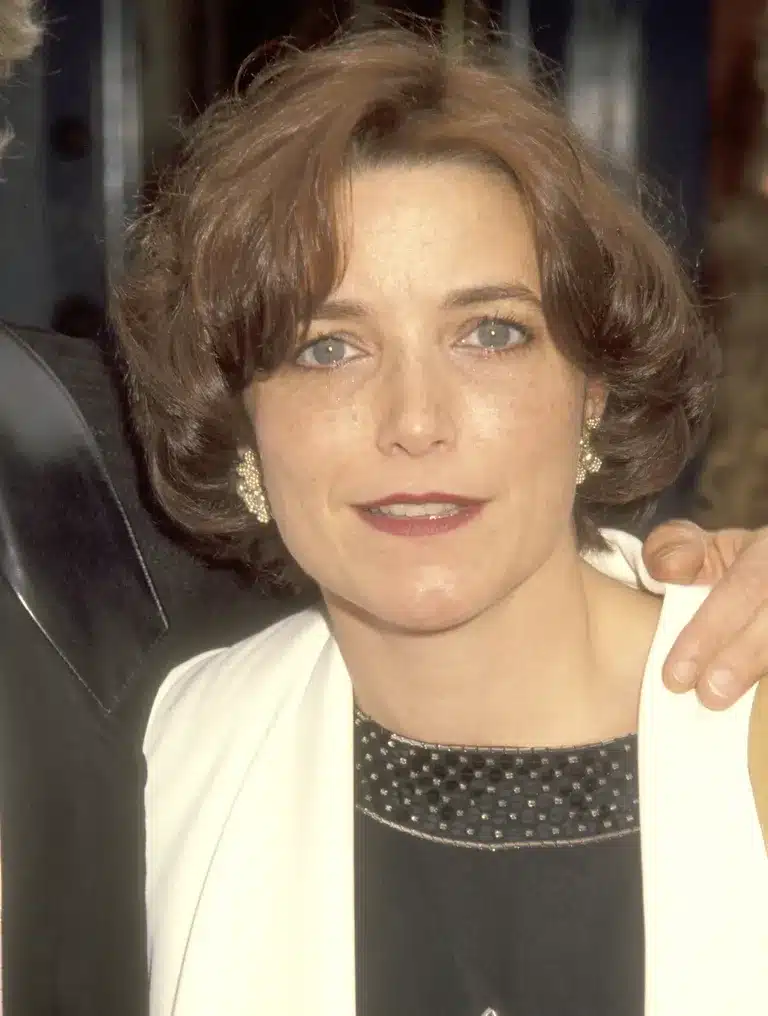
He eventually became a chef, and his mother has remained closely connected to him and supportive of his career.
Their shared appreciation for food and craftsmanship became another part of the life Allen created away from Hollywood.
But motherhood was not the only reason the Berkshires became so important to her.
Living there allowed Allen to rediscover something she had loved long before she became famous.
Textile design.
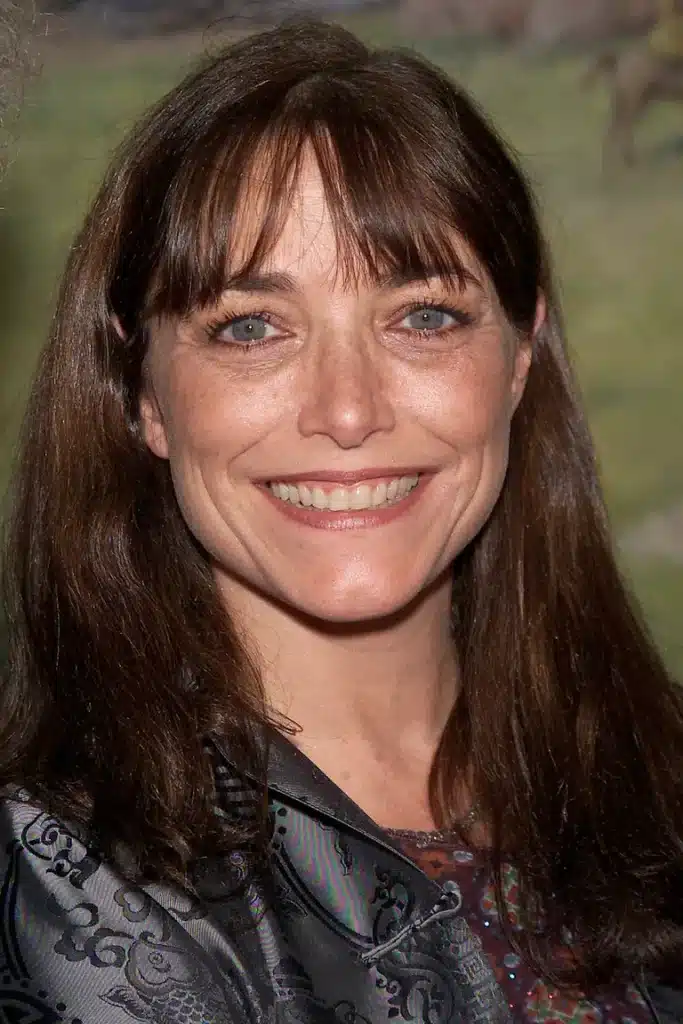
Before acting took over her life, she had studied textile design at New York’s Fashion Institute of Technology.
Fabrics, colors, patterns, and construction had fascinated her long before movie audiences knew her face.
That passion had never completely disappeared.
It had simply been waiting.
In the quiet of Massachusetts, it returned.
Allen began working seriously with textiles again.
Eventually, in 2005, she founded Karen Allen Fiber Arts.

The business allowed her to create pieces including cashmere sweaters, scarves, and hats.
Inside her Great Barrington shop, Allen began using a Japanese knitting machine to produce intricate patterns and multicolored designs.
For someone whose public identity had been defined by acting, textile work offered an entirely different kind of creative satisfaction.
She once described textiles as her first great artistic passion.
And in many ways, moving to the Berkshires allowed her to return to the person she had been before Hollywood decided who she was supposed to become.
Her creativity did not stop with knitting.
In 1995, she converted an old barn on her property into a yoga studio.
The space became both a personal retreat and a place where she could teach and connect with others in the community.
Instead of one identity, Karen Allen built several.
Actress.
Mother.
Designer.
Business owner.
Yoga teacher.
Artist.
Hollywood remained part of her life, but no longer the center of it.
That distinction mattered.
Allen never completely abandoned acting.
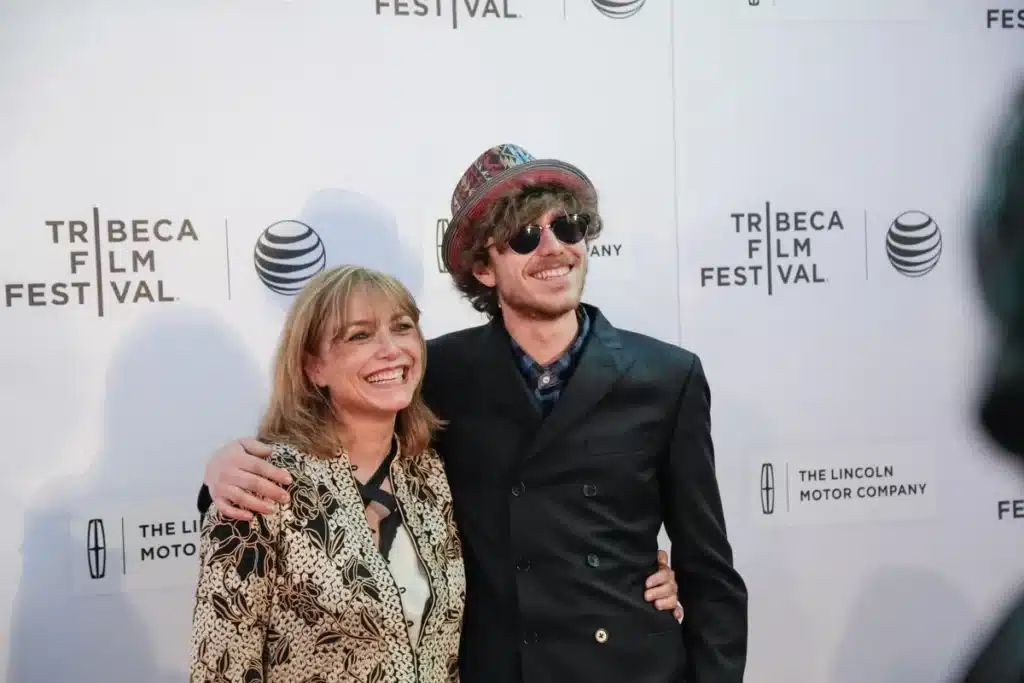
She continued appearing in selected films, television projects, and theater productions when the work genuinely interested her.
But she no longer seemed interested in organizing her entire life around the demands of the industry.
The Berkshires gave her the freedom to move between different parts of herself.
She has described the area as a place where people can reinvent themselves.
Her own life became proof.
There was still another chapter waiting for Marion Ravenwood too.
Allen eventually returned to the Indiana Jones world, reminding longtime fans why the character had remained so beloved.
Her appearance connected several generations of viewers — those who remembered seeing *Raiders of the Lost Ark* in theaters and younger fans discovering the franchise decades later.
Even as she embraced new creative pursuits, audiences never forgot her.
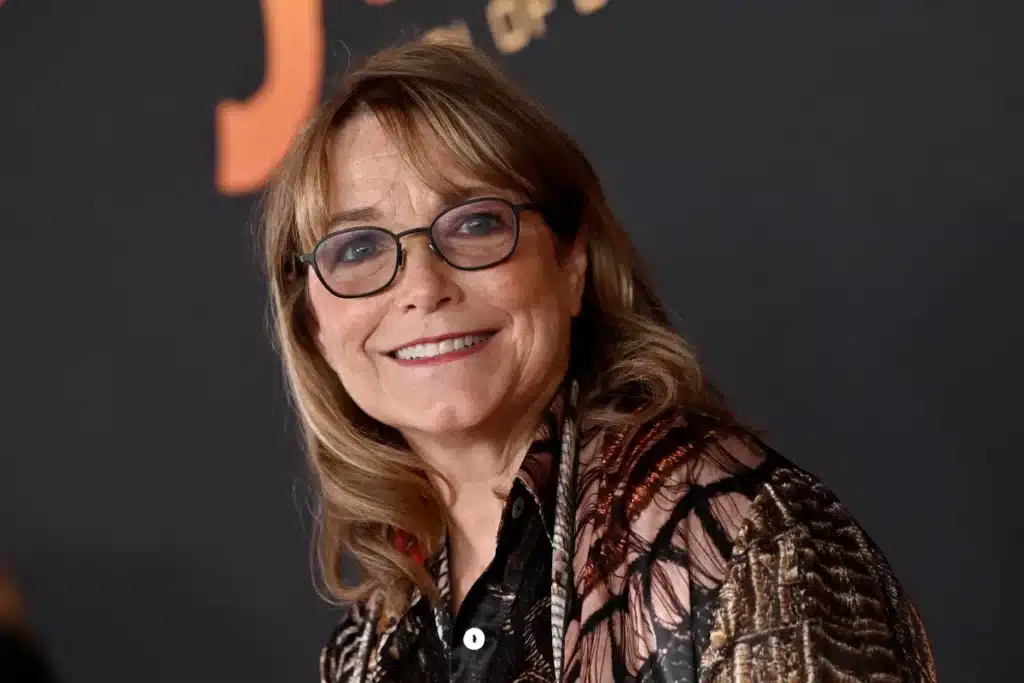
Fans continued praising not only her performances but also the natural, grounded quality she seemed to retain despite decades of fame.
Some celebrated Marion Ravenwood as one of their favorite film characters.
Others simply admired Allen’s warmth, smile, and apparent lack of Hollywood pretension.
That affection says something about the unusual career she built.
Karen Allen could have spent decades chasing the version of success Hollywood offered her after *Raiders of the Lost Ark*.
Instead, she created her own definition.
She raised her son in the countryside.
Turned an eighteenth-century property into a home.
Worked with yarn and knitting machines.
Opened a fiber-arts business.
Practiced and taught yoga.
Returned to the stage.
And continued acting whenever a project felt meaningful.
Her story is not really about leaving Hollywood.
It is about refusing to let Hollywood become the only thing that defined her.
The adventurous woman audiences first met beside Indiana Jones never completely disappeared.
She simply traded ancient temples for the Berkshire hills, movie sets for a textile studio, and the expectations of fame for a life built on her own terms.
And decades after Marion Ravenwood first made her famous, that may be the most interesting adventure Karen Allen ever chose.
