<blockquote>“Columbia Journalism School mourns the loss of Beau Jessup, a student in our M.S. program.”</blockquote>
The statement continued:
<blockquote>“We extend our deepest condolences to her family, friends, classmates, and all who knew and loved her.”</blockquote>
The school added that it was working with Beau’s family to provide support during the difficult period.
No details surrounding the cause or circumstances of her death have been made public.
Beau had been building a life and career of her own, separate from the fame that surrounded her mother.
Although she grew up as the daughter of a well-known television actress, Beau had developed a strong interest in storytelling, writing, journalism and theater.
That interest had brought her to Columbia, where she had joined the M.S. journalism program and was preparing for a future in reporting.
Following her death, Columbia chose to publish an interview Beau had given to Columbia News in October.
The university said the conversation was being shared with her family’s permission as a way of remembering her life, ambitions and the person she had been becoming.
In the interview, Beau spoke openly about how growing up with a mother in the public eye influenced the way she thought about journalism.
<blockquote>“As the daughter of a television actress, I grew up with an unusual awareness of the distance between people’s lives and the stories told about them.”</blockquote>
For Beau, that experience had shown her that journalism could be powerful in very different ways.
It could help people understand another person’s life.
But it could also reduce complicated experiences into something much simpler.
She explained that she became interested at a young age in the question of who is given the power to tell someone else’s story.
<blockquote>“I saw how journalism could illuminate someone’s experiences, but also how those experiences could be distorted, simplified, or transformed into a public narrative over which the subject had very little control.”</blockquote>
She added:
<blockquote>“I was curious, from quite a young age, about who gets to tell people’s stories.”</blockquote>
Those words now carry an added poignancy.
Beau had hoped to build a journalism career focused on people, culture and wider social questions.
She also planned to continue writing for theater alongside her reporting work.
Her ambitions did not begin at Columbia.
Before moving to New York, Beau had already completed a master’s degree in Writing for Performance at the University of Cambridge.
She had also written her first play, The Sandbag.
Beau described the work as an exploration of the way family, memory, the body and inherited narratives influence how people understand and tell their own stories.
It was another reflection of the subjects that appeared to fascinate her most: identity, family, memory and the difference between a person’s lived experience and the way that experience is later interpreted by others.
For those who knew her primarily through her mother, Beau had also grown up in a family familiar with life in the public eye.
She was the daughter of Lisa Maxwell and Paul Jessup.
Maxwell has been a familiar presence on British television for decades.
She began performing at a young age and later became known to television audiences through a variety of presenting and acting roles.
Among her best-known work was her time on the British police drama The Bill, as well as her appearances as a panelist on the daytime discussion show Loose Women.
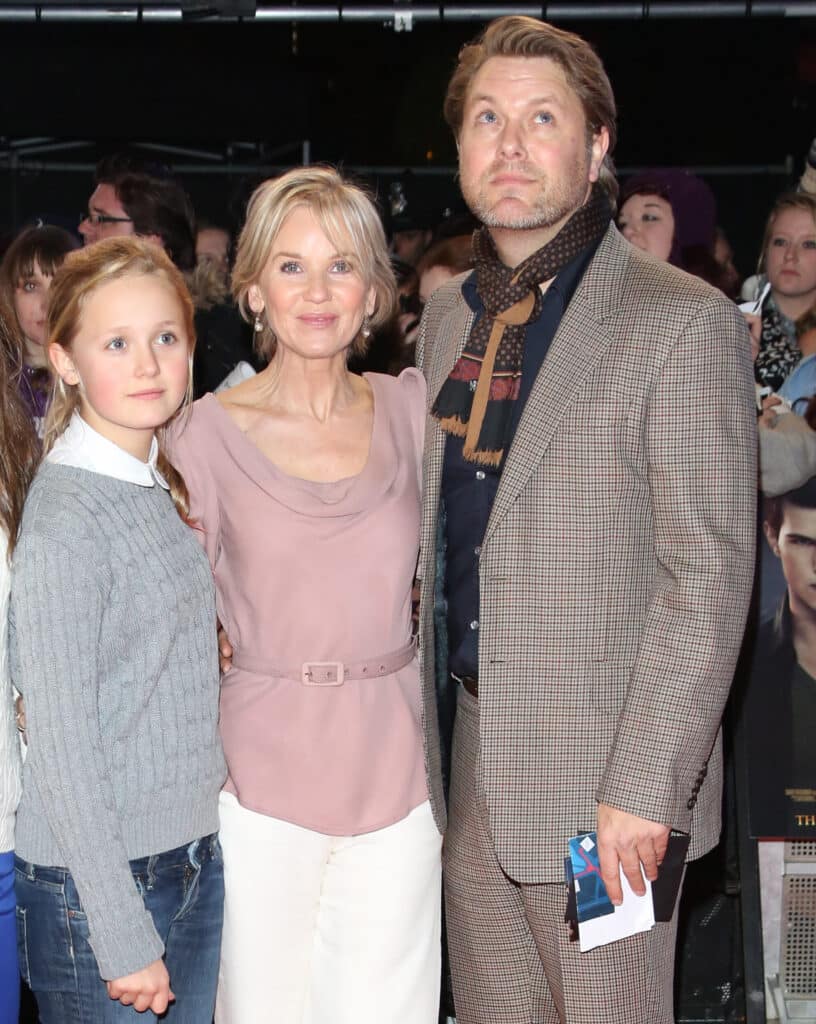
But away from cameras and television studios, Maxwell had often spoken about how important motherhood was to her.
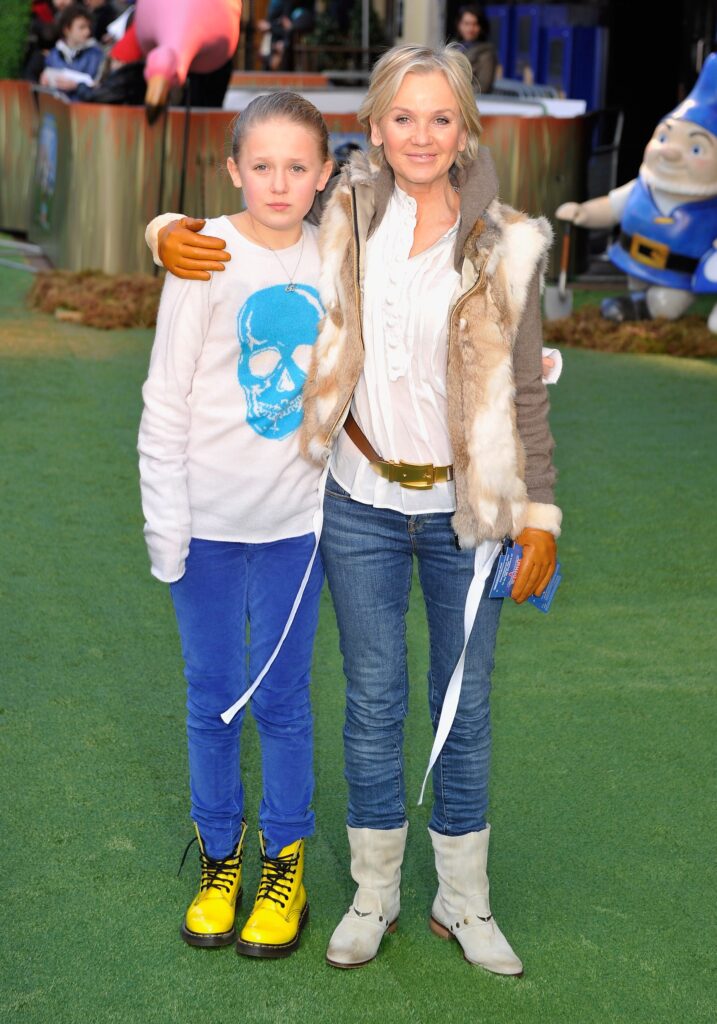
Years earlier, when Beau was still a child, Maxwell described watching her daughter grow and become increasingly independent.
She spoke warmly about the relationship they shared and how much she enjoyed seeing Beau develop her own personality.
<blockquote>“As she’s growing up, she’s become more of a little mate to me.”</blockquote>
Maxwell also described Beau as funny and clever and spoke about how remarkable it felt to watch the tiny baby she remembered become her own person.
<blockquote>“I love the way Beau’s growing into her own personality.”</blockquote>
Those comments feel particularly moving now, as Beau had clearly continued doing exactly that.
By the age of 27, she had pursued advanced studies at Cambridge, written for the stage and moved to New York to study journalism at one of the most prominent journalism schools in the United States.
Her Columbia interview showed someone thinking seriously about the responsibility that comes with telling other people’s stories.
She was interested not simply in being a journalist, but in understanding what good journalism should do.
She wanted to explore culture.
People.
Social questions.
And the often complicated relationship between a person and the public narrative created around them.
Columbia Journalism School’s announcement has now placed attention on Beau in circumstances no family would ever want.
But the decision to share her recent interview also means that people are able to hear Beau describe her ambitions in her own words.
That may be especially important given one of the questions that had shaped her interest in journalism from childhood:
Who gets to tell someone’s story?
In Beau’s case, the interview offers at least part of the answer.
She did.
She spoke for herself.
She explained what interested her, what she hoped to explore and what kind of work she wanted to create.
Her death at only 27 means those ambitions were cut tragically short.
But the work she had already completed, and the words she left behind, show that Beau Jessup was building an identity far beyond being the daughter of a television star.
She was a writer.
A graduate student.
An aspiring journalist.
A playwright.
And a young woman whose career was only beginning to take shape.
For Lisa Maxwell, Paul Jessup, Beau’s friends, classmates and everyone who knew her, the loss is immeasurable.
And as Columbia’s tribute makes clear, Beau will be remembered not only for the future she was working toward, but for the voice she had already begun to establish.
She was just beginning to tell other people’s stories.
Now, those who loved her are remembering hers.
