At first glance, it looked like the kind of image people scroll past without a second thought.
A father. His children. Family snapshots. Everyday captions. Small moments frozen online in a way that seemed ordinary, even comforting.
But as more details emerged from Shreveport, that familiar picture took on a far darker weight. What once looked like routine family life now feels like one of the most unsettling parts of the story.
In the hours before the violence that shocked Louisiana, there were no obvious public signs of what authorities say was about to happen. There were only photos, casual posts, and the kind of ordinary language that now reads in a completely different light.
According to reports, authorities say eight children were killed in a domestic violence incident in Shreveport’s Cedar Grove neighborhood on the morning of Sunday, April 19, 2026. Police identified the suspected gunman as 31-year-old Shamar Elkins. Officials said seven of the children were his, while one was not.
The victims, seven siblings and their cousin, ranged in age from just three to eleven. Their names were later released as Jayla Elkins, 3; Shayla Elkins, 5; Kayla Pugh, 6; Layla Pugh, 7; Markaydon Pugh, 10; Sariahh Snow, 11; Khedarrion Snow, 6; and Braylon Snow, 5.
Authorities also said a 13-year-old boy survived after jumping from the roof, though he suffered broken bones.
Two women survived the attack but were left critically injured. Police said Shamar’s wife was shot in the face, underwent surgery, and is expected to survive. Another woman was also gravely wounded, and a third woman is believed to have escaped.
Investigators said the violence began on Harrison Street, where his wife was reportedly shot. From there, police believe he went to another home on West 79th Street near Linwood, where another woman and the children were shot.
The case stretched across four separate locations, including two homes, a reported carjacking site, and the Bossier City area where the pursuit ended. After a chase from Shreveport into Bossier City, police said Shamar was fatally shot in the 400 block of Brompton Lane.
Authorities said gunfire was exchanged and that they are still working to determine whether he died from police gunfire or from a self-inflicted wound.
No official motive has been confirmed.
And that uncertainty has only made the details of his final days feel even more haunting.
Before this tragedy, Shamar appeared to many to be living an ordinary domestic life. There were photos with his children, family posts, and the kind of milestones that suggested routine, structure, and closeness.
Reports say he served in the Louisiana Army National Guard from August 2013 to August 2020 as a signal support systems specialist and fire support specialist. He never deployed and left the service as a private.
He also had a 2019 arrest and conviction for illegal use of a firearm. Police have said that conviction likely barred him from legally owning firearms.
That detail now hangs heavily over everything that followed.
Neighbors told reporters the family had only moved into the house about six months earlier. People living nearby said nothing seemed obviously wrong from the outside. One neighbor recalled waving to a man in the yard the day before, and the interaction felt so normal that it stayed with him afterward for all the wrong reasons.
Then the killings happened.
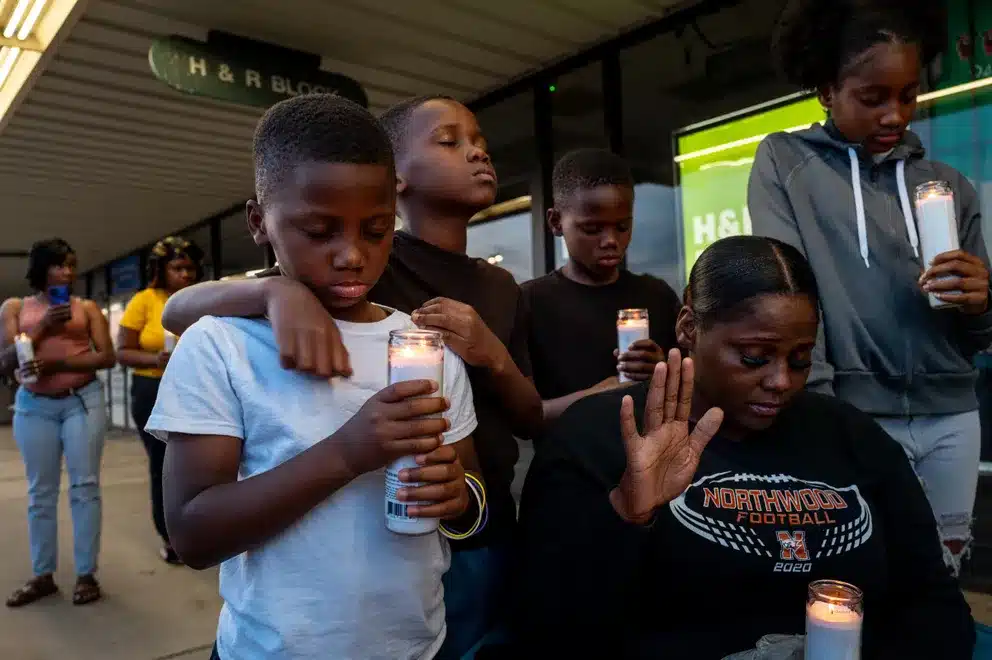
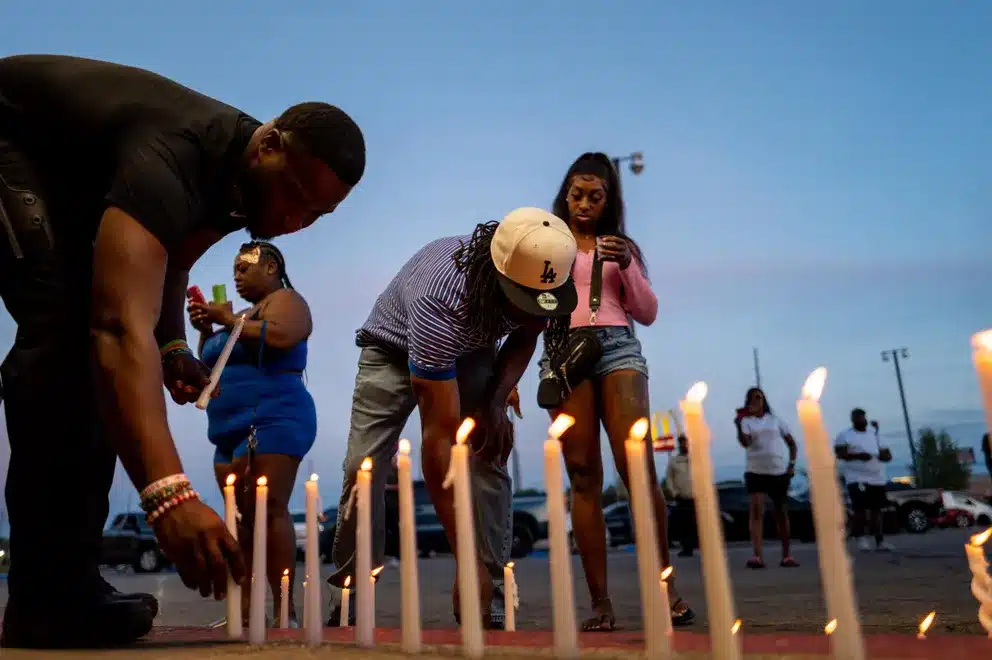
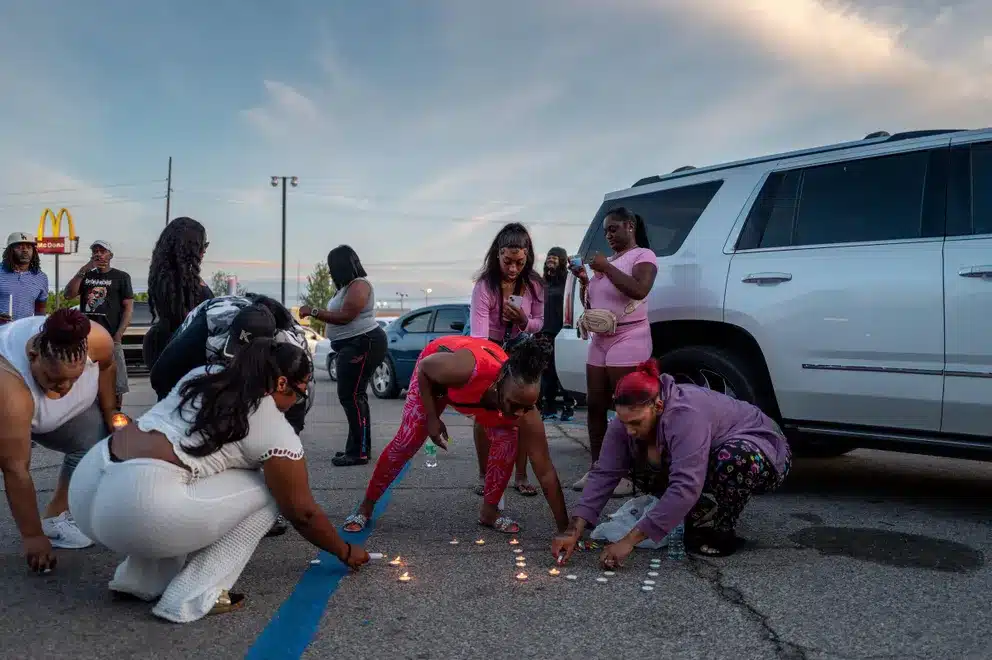
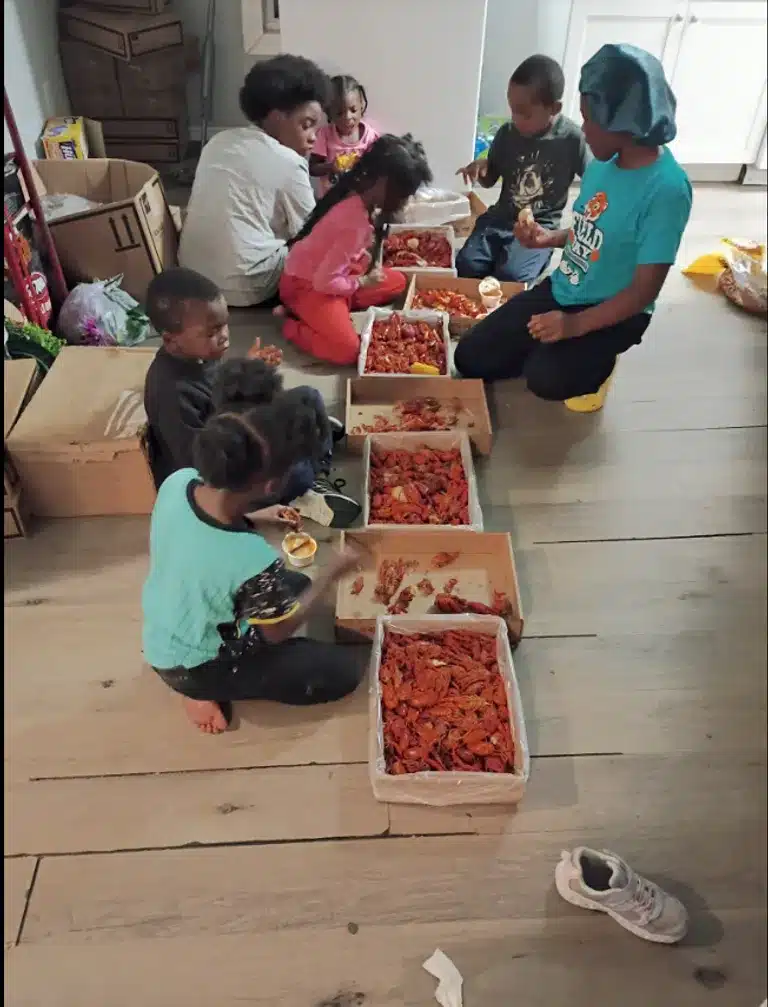
Another neighbor described watching officers remove the children from the house and said it was the worst thing she had ever seen.
That contrast may be what makes the story so hard to process. By several accounts, the public version of Shamar was that of a working father with a wife, children, and a full home.
His wife, Shaneiqua Elkins, had publicly celebrated their relationship in a now-heartbreaking anniversary post in April 2025. In it, she thanked him for the day they shared and reflected on their long relationship and four daughters together.
An earlier Father’s Day post from June 2023 showed him seated with children gathered around him. The caption described him enjoying time with all of his kids.
Those posts did more than record family moments. They helped build an image of closeness and normalcy, which is part of what now feels so impossible to reconcile.
But behind that image, relatives later told reporters that he had been struggling.
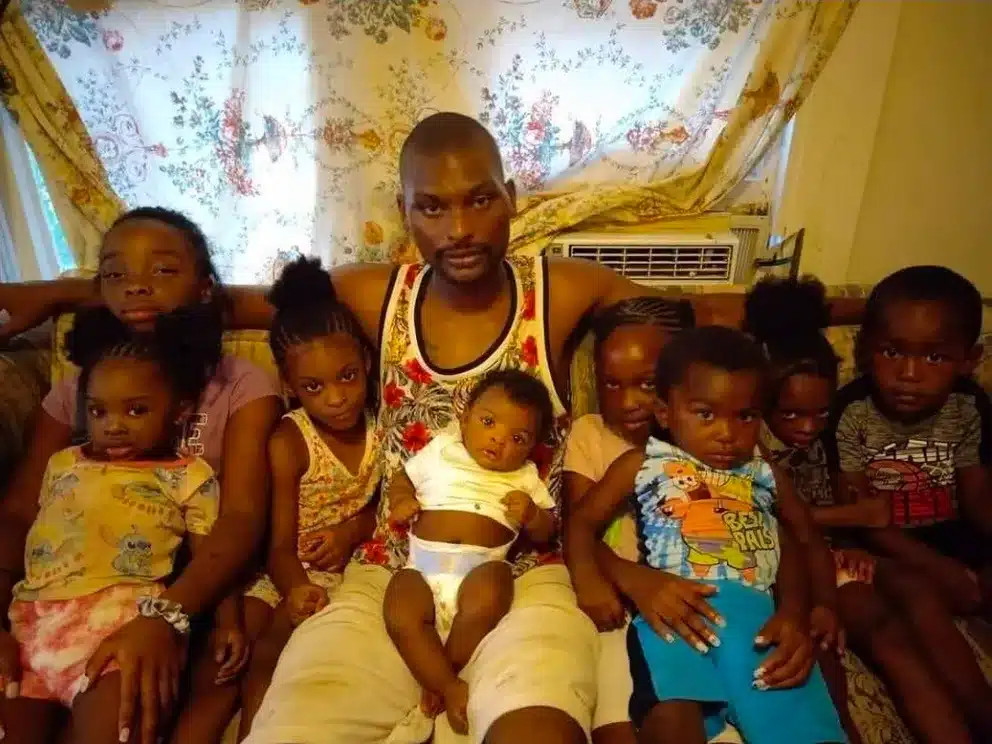
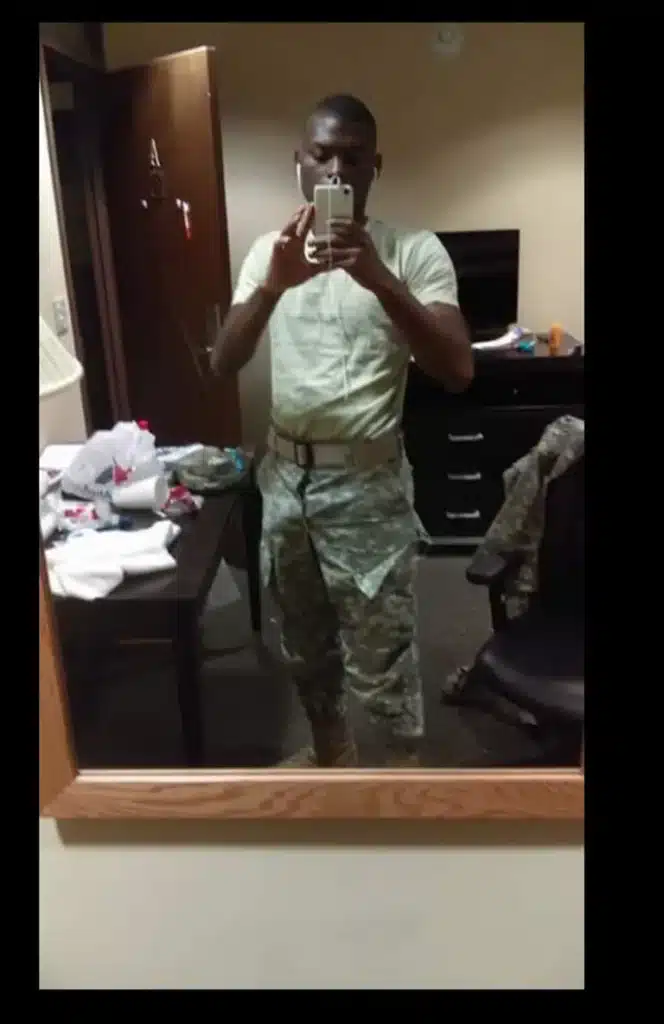
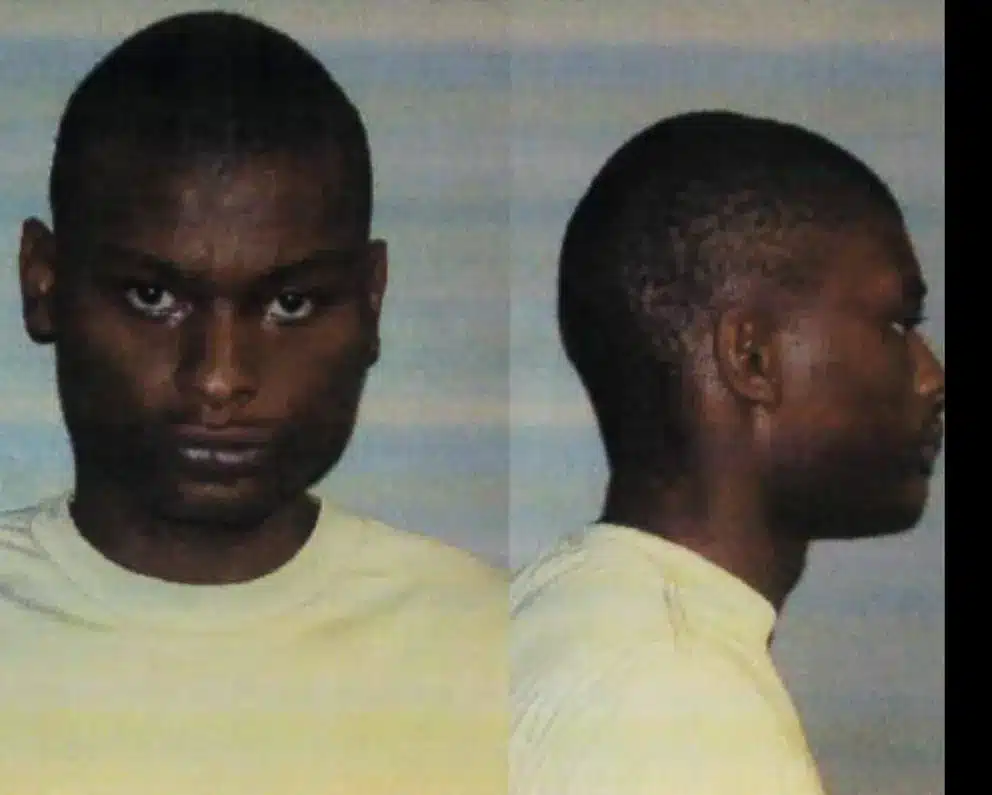
According to published accounts, family members said he had mental health problems and had recently expressed suicidal thoughts. On Easter Sunday, he reportedly called his mother, Mahelia Elkins, and his stepfather, Marcus Jackson. They said he sounded deeply distressed and told them through tears that he wanted to take his own life.
During that same call, family members said he also told them his wife wanted a divorce.
He reportedly described himself as drowning in “dark thoughts.”
His stepfather later recalled trying to encourage him, telling him he could get through whatever he was facing.
Then came a line that now feels almost unbearable to read back:
“Some people don’t come back from their demons.”
That sentence now sits beside smiling family photos, holiday snapshots, and affectionate captions, making the contrast even harder to accept.
Family members also said they were struggling to understand how something so catastrophic could unfold behind what had appeared, at least publicly, to be an ordinary family life.
His mother reportedly said she was not especially close to him for much of his early life. She had him as a teenager while dealing with addiction, and he was raised by a family friend, Betty Walker, before they reconnected years later.
Betty said she had seen him just the weekend before when the family came over for dinner. Nothing about his behavior seemed unusual.
That is one of the details repeated again and again by people who knew him: nothing looked visibly wrong from the outside.
He also worked for UPS, and a former coworker described him as a devoted father who often seemed stressed. One detail stood out to those around him—he reportedly had a habit of pulling out his hair when he was nervous, enough to leave a bald spot. His mother had noticed it too.
The reaction from people who knew him has been marked by the same stunned question: what happened?
There were also signs, at least privately, that people close to him had grown uneasy in recent weeks. Reports say that earlier this month, he shared a prayer on Facebook asking God to help him guard his mind and emotions.
And then there was one more post.

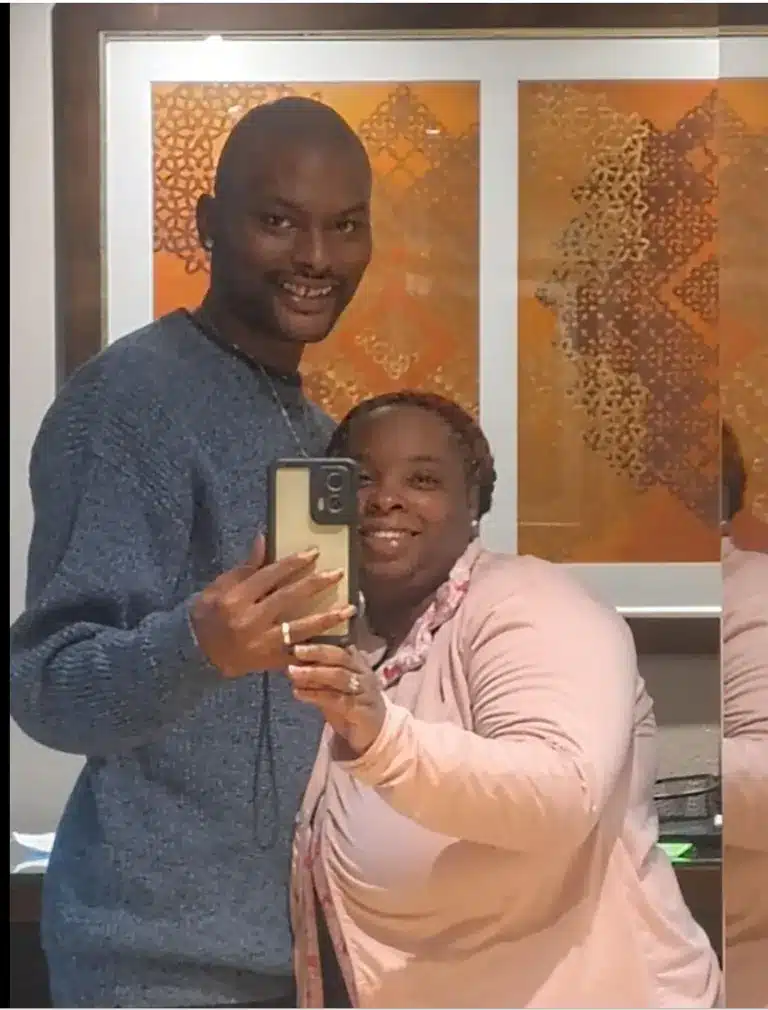

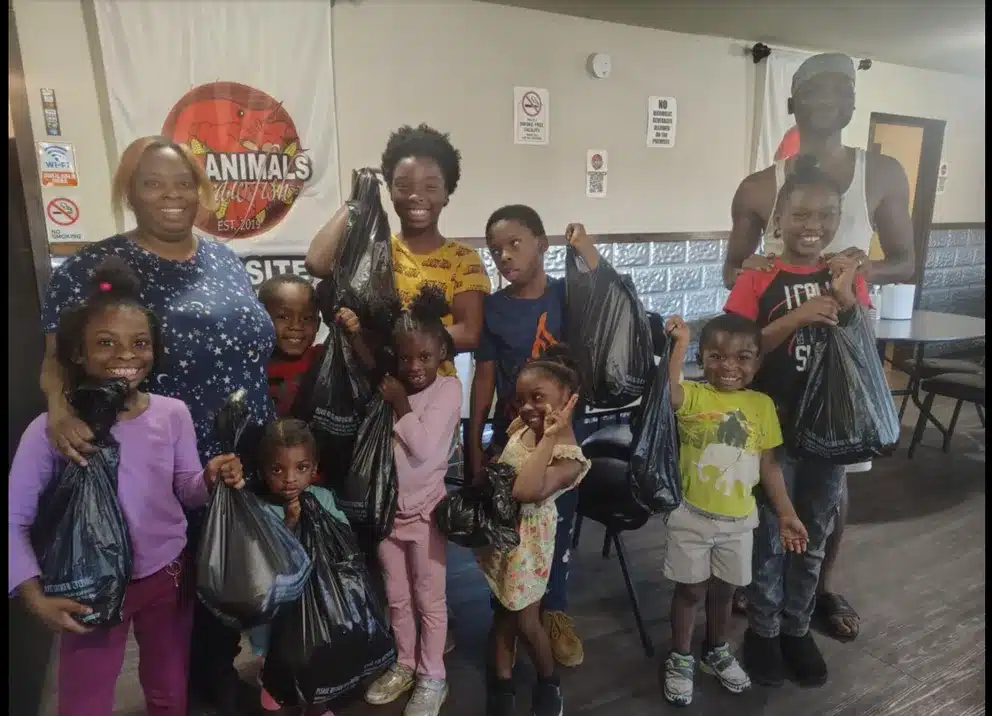
What now reads as a devastating final breadcrumb looked casual at the time—lighthearted, almost playful. In his last known social media post before the killings, he joked about taking his oldest daughter on a little one-on-one date and catching her mid-bite while she ate in the passenger seat.
It was the kind of post no one would have flagged in real time.
That may be the most disturbing part of all.
There was no obvious public unraveling in that moment. No rage. No warning in plain sight. Just a father joking online about lunch with his daughter.
According to later reporting, the deeper warning signs may have existed elsewhere—in family conversations, private distress, and the silence that followed one final message from his mother.
After he had recently sent a family photo and told her that everyone was doing okay, she texted him again on Thursday with a simple message of love. She told him to kiss her grandchildren for her and thanked him.
He never replied.
Later, when she and his stepfather learned what had happened through social media comments and news coverage, that unanswered message became one more unbearable detail in a story already filled with them.
As Shreveport tries to absorb the scale of the violence, city leaders have spoken openly about the emotional devastation left behind. Mayor Tom Arceneaux described it as perhaps the worst tragedy the city has ever faced. Police also called it a horrifying act of violence unlike anything they had seen in their community.
Other local officials, some speaking through tears, emphasized that the children had their whole lives ahead of them.
And that larger truth matters.
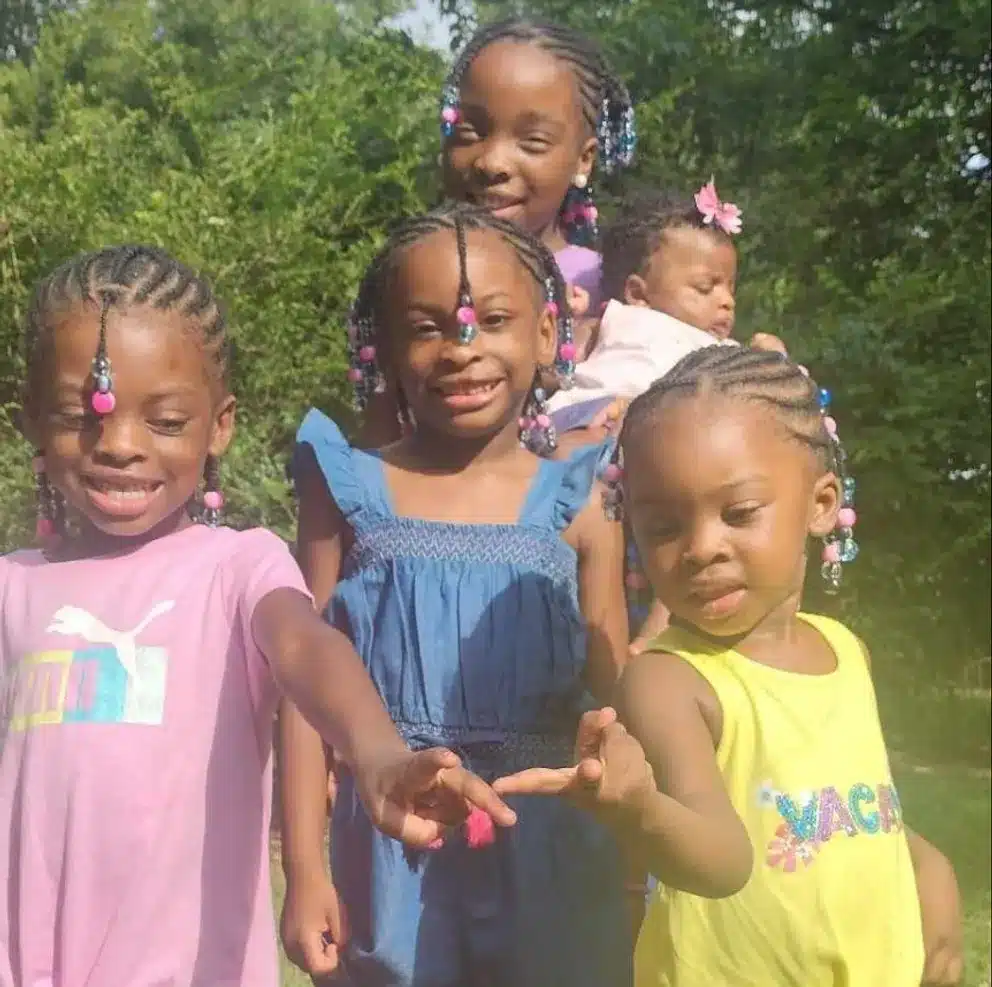
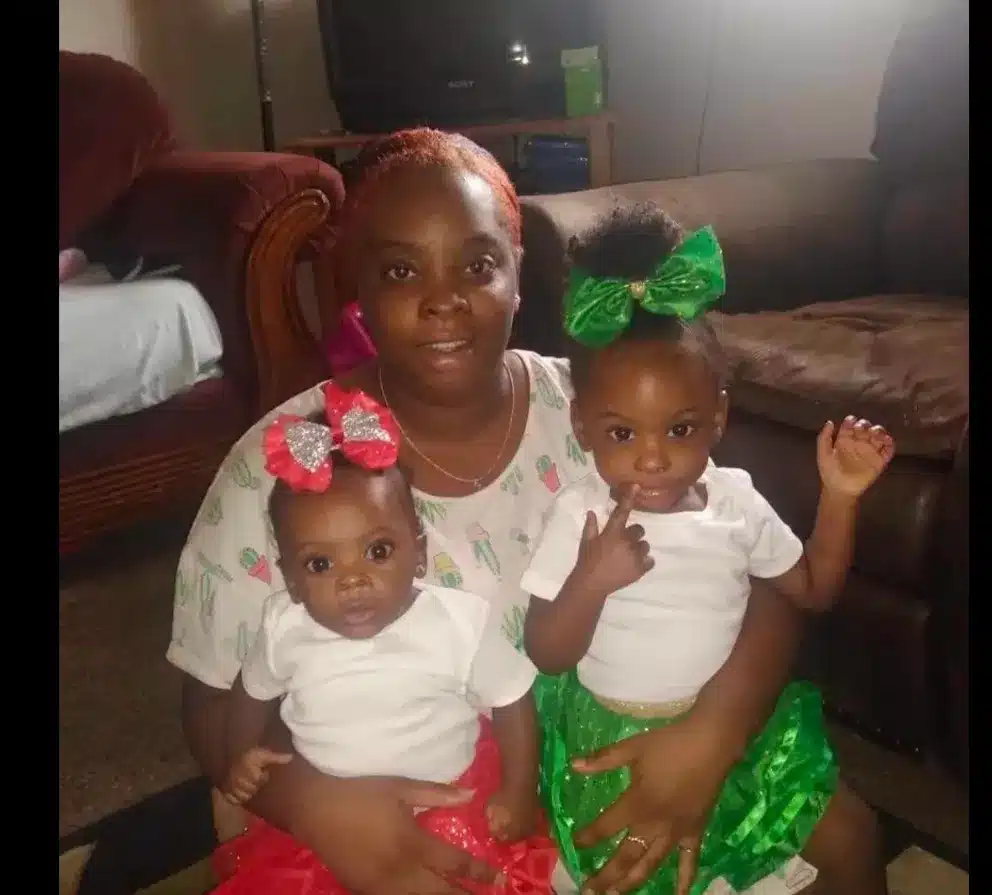
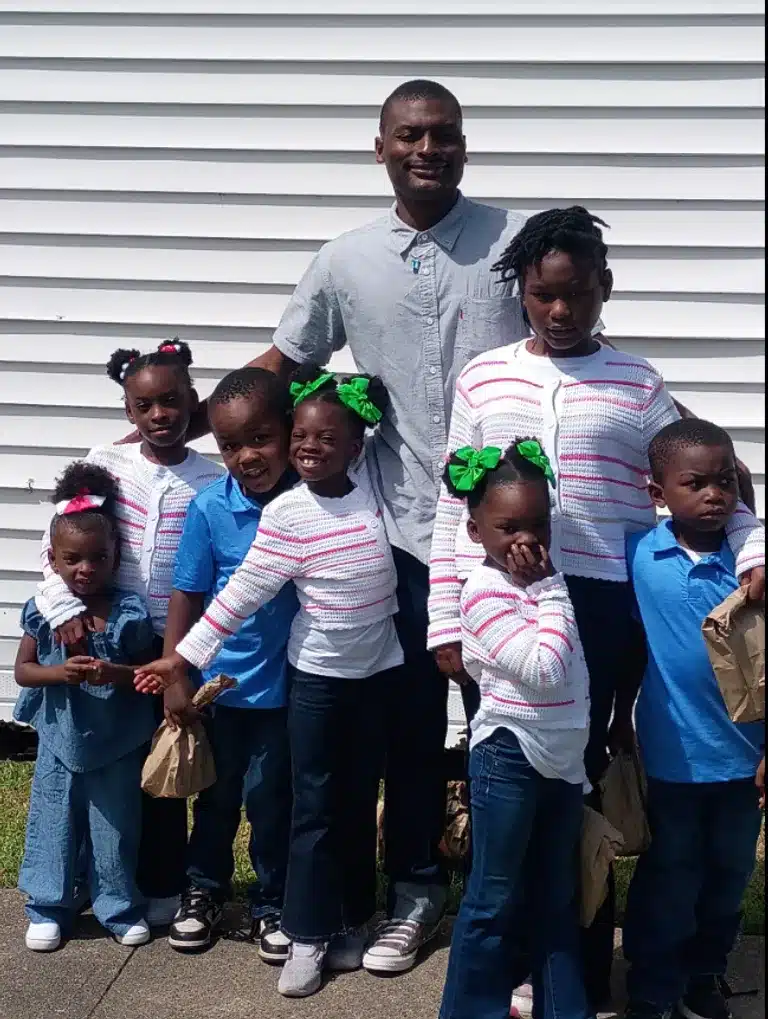
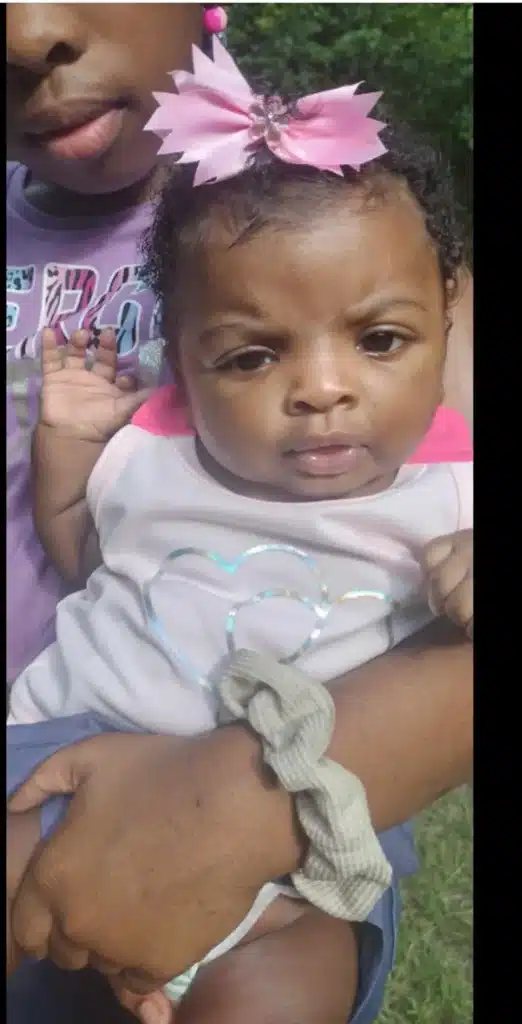
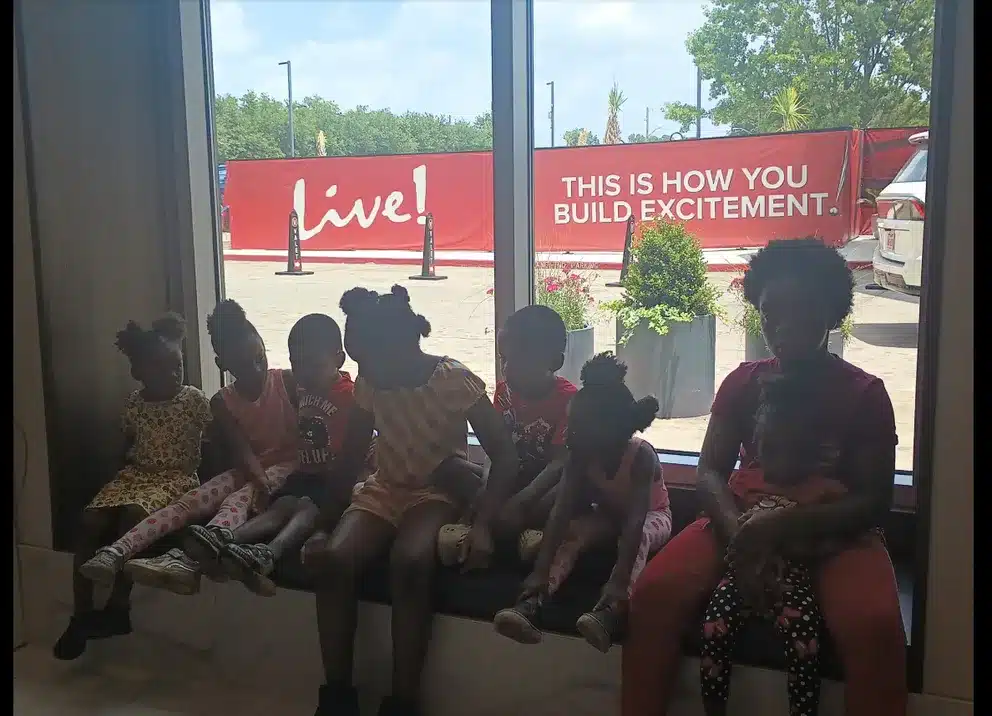
Because this story is not only about what happened over a few terrifying hours. It is also about what people did not see, what loved ones feared quietly, and what now looks, in hindsight, like a trail of warning signs hidden beneath normal life.
For many people following the case, that may be what lingers most.
The last post was not filled with anger. It did not look ominous. It looked like lunch, laughter, routine, and love.
Now it sits beside anniversary tributes, Father’s Day memories, and one final text from a mother who signed off with affection.
And in a story defined by horror, those ordinary words may be the ones that echo the longest.
At this time, heartfelt condolences go out to the mothers of the children who were killed, to the wider family, to friends, loved ones, and to the community carrying this grief.
If you or someone you know is struggling with suicidal thoughts, please contact emergency services or a crisis support line in your country right away. In the U.S. and Canada, call or text 988 for immediate support.
More From Daily Positive
 Shamar Elkins' Recent Posts and Messages Draw Attention Online as New Details Emerge — Photos
 Signs of pancreatic cancer you should never ignore
 Five days after the divorce, my ex-mother-in-law walked into the house and snapped, “Why are you still here?” But she froze when I told her who had paid for every brick…
 My parents skipped my wedding to fly to Dubai with my brother. I asked my husband’s father to walk me down the aisle instead. The documentary crew filmed everything. It went viral with 14 million views. A few days later, I had 93 missed calls….
 Nutritionists say that consuming boiled eggs raises…
 I Chose to Wear My Grandma's Prom Dress in Her Honor – But the Tailor Gave Me a Note Hidden in the Hem That Revealed She Lied to Me My Whole Life