When you combine the smooth charisma of Henry Winkler with the chaotic, high-energy brilliance of Michael Keaton, you’re bound to get cinematic magic. That’s precisely what Night Shift (1982) delivered. Directed by Ron Howard in his directorial debut, the film is a quirky comedy that remains a cult classic decades later. It showcases Winkler’s nuanced acting, Keaton’s breakthrough performance, and Shelley Long’s endearing charm—all tied together with a hilariously unconventional premise.
Set in the unlikely backdrop of a New York City morgue, the story follows Chuck Lumley (Winkler), a reserved and mild-mannered night worker, and Bill “Blaze” Blazejowski (Keaton), his fast-talking, eccentric new coworker. Together, they stumble upon an outrageous business opportunity: turning the morgue into a headquarters for a high-end escort service. What follows is a wild ride of misadventures, comedic blunders, and heartfelt connections that make Night Shift a standout in the world of 1980s comedies.
The film’s charm lies not just in its witty script but in the chemistry among its three leads. Winkler’s understated portrayal of Chuck perfectly balances Keaton’s over-the-top antics as Bill. Meanwhile, Shelley Long’s portrayal of Belinda, a sweet yet tough prostitute, adds warmth and depth to the story. Together, they create a dynamic trio that keeps audiences hooked.
Michael Keaton’s Big Break
At the time of Night Shift, Michael Keaton was relatively unknown, with only a few minor roles under his belt. The role of Bill Blazejowski was his first major part, and he left a lasting impression. Keaton’s manic energy, rapid-fire delivery, and magnetic screen presence made him unforgettable. However, landing the role wasn’t easy.
Keaton faced “callback after callback,” repeatedly auditioning to prove he was the right fit. Ultimately, his charm and raw talent won over Ron Howard and the film’s producers. Keaton even credited his rise to stardom partly to the timing, noting that he entered the industry when transitioning from television to film was becoming more acceptable for actors.
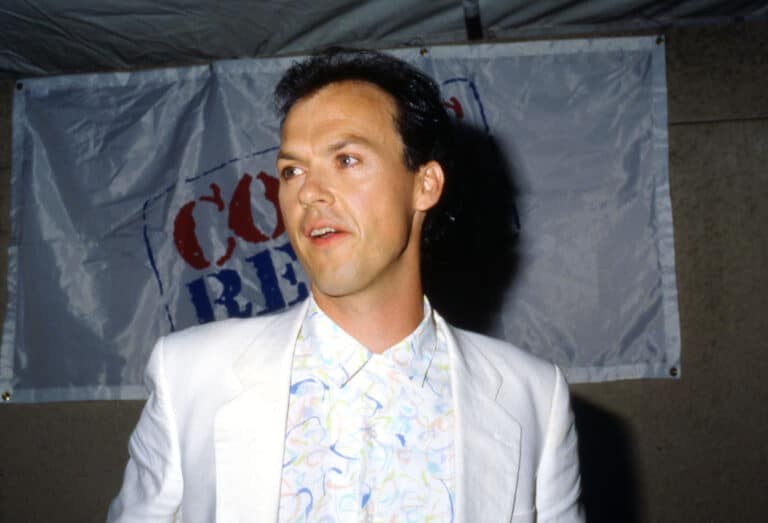
Keaton fully embodied his character, bringing a unique energy to every scene. He had a special trick for getting into character: blasting Bruce Springsteen’s “10th Avenue Freeze-Out” from Born to Run before takes. The effort paid off, as his portrayal of Bill was so compelling it not only stole scenes but also launched his career.
Henry Winkler’s Subtle Genius
Known to audiences as “The Fonz” from Happy Days, Henry Winkler took on the role of Chuck Lumley to challenge himself with a quieter, more subdued character. Winkler’s deliberate choice to step away from his cool-guy image allowed Keaton to shine in his eccentric role. Ron Howard later praised Winkler for his selflessness, noting that Winkler often encouraged Keaton to “take things one step further” in their scenes together.
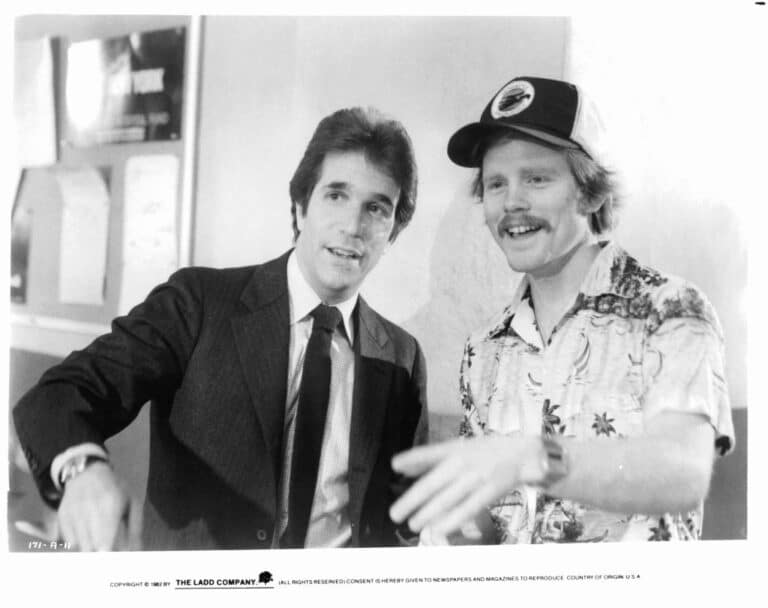
While their on-screen chemistry is undeniable, Winkler and Keaton didn’t immediately click during rehearsals. Winkler admitted he initially felt unsure about working with Keaton, but Ron Howard reassured him that their unease mirrored the relationship between their characters. This off-screen tension added authenticity to their dynamic, making their performances even more compelling.
Shelley Long’s Reluctance and Transformation
Shelley Long played Belinda, a compassionate and resilient woman navigating life as a sex worker. Initially hesitant to accept the role, Long feared playing a prostitute might clash with her image. However, after researching the part and being persuaded by Ron Howard, she embraced the challenge. Long brought warmth and humor to Belinda, creating a character that was both grounded and endearing.
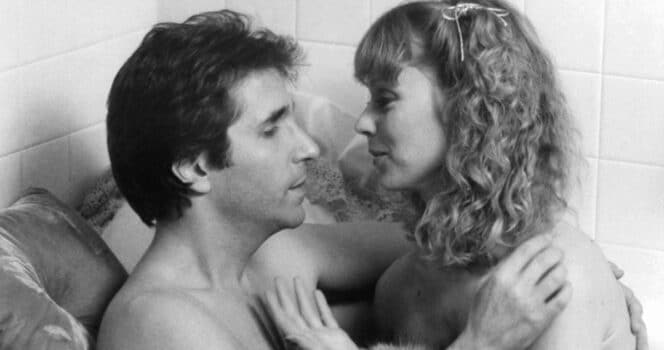
In one memorable scene, Belinda cooks breakfast for Chuck while wearing nothing but her underwear. The chemistry between Winkler and Long is palpable, and the sequence remains one of the film’s most iconic moments. Interestingly, there’s a continuity error in this scene: Belinda starts cooking fried eggs, but by the time they’re served, they’ve magically turned into scrambled eggs. The error is a small but charming reminder of the film’s lighthearted nature.
Behind-the-Scenes Surprises
Night Shift is filled with fun trivia and cameos that add to its charm. For instance, a young Kevin Costner makes a blink-and-you’ll-miss-it appearance as a frat boy at the morgue party, while Shannen Doherty has a small role as a “Bluebird” (though Chuck mistakenly calls her a “Bluebell”). Ron Howard himself couldn’t resist joining the fun, making a cameo as a subway saxophonist and appearing with his wife Cheryl in a brief scene.
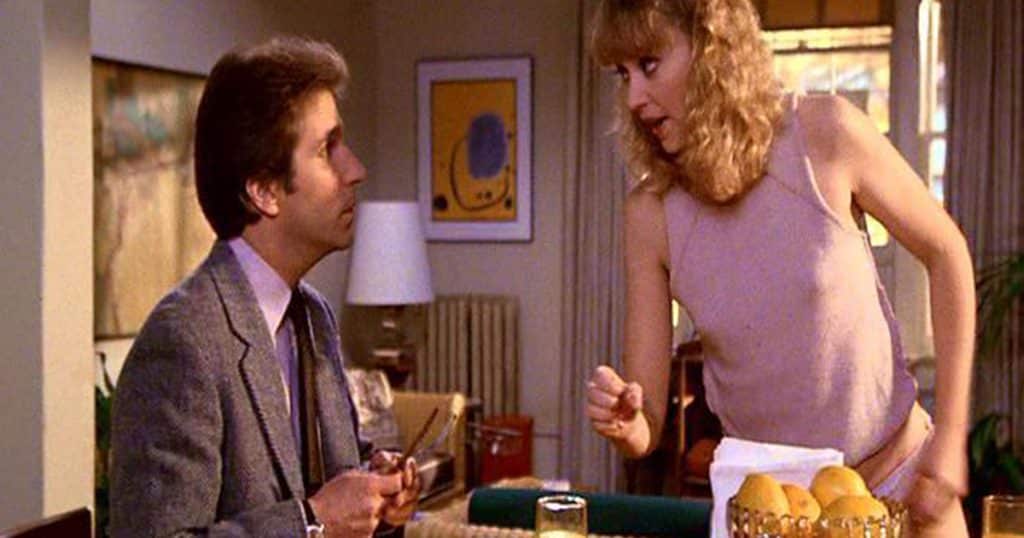
The casting process also included some big names who ultimately didn’t take the role of Bill Blazejowski. Ron Howard reportedly considered John Belushi, Dan Aykroyd, Bill Murray, and even Kurt Russell for the part before landing on Keaton. It’s hard to imagine anyone else capturing Bill’s chaotic energy quite like Keaton did.
A Legacy of Laughter
Night Shift wasn’t just a financial success—it grossed over $21 million at the box office—it was also the birthplace of timeless moments and cultural staples. The movie introduced the world to the song “That’s What Friends Are For,” originally performed by Rod Stewart for the film’s soundtrack. Years later, the song became a global hit when Dionne Warwick, Elton John, Gladys Knight, and Stevie Wonder recorded it as a charity single for AIDS research.
Ron Howard’s directorial debut showcased his knack for storytelling and character development, setting the stage for a remarkable career. Meanwhile, the film solidified Michael Keaton’s place in Hollywood and reminded audiences of Henry Winkler’s versatility as an actor.
Timeless Appeal
Four decades later, Night Shift remains a beloved comedy classic. Its mix of heartfelt moments, quirky humor, and standout performances ensures its place in the pantheon of great 1980s films. Whether it’s Michael Keaton’s improvised antics, Shelley Long’s charming resilience, or Henry Winkler’s understated brilliance, the movie continues to captivate audiences.
Do you have a favorite scene or memory from Night Shift? Share your thoughts and celebrate this iconic film with fellow fans—it’s always a good time to revisit the chaos and camaraderie of Chuck, Bill, and Belinda!
More From Daily Positive
 Little-known mistakes and bloopers in ‘Leave It to Beaver’
 Melania Trump Reveals Sh0cking Claim About Obama Administration’s Secrets
 Trump Blasts Speaker Johnson’s Bill Days Before Possible Govt Shutdown
 Maine Boy, 3, Found Dead in the Snow by Dad After He Was Reported Missing — Details
 Melania Trump Reveals Sh0cking Claim About Obama Administration's Secrets
 Look closer and discover the detail that made this one of the most memorable late-night show episodes ever