What Do Red Dots on Your Skin Mean? Common Causes Explained
Keywords: red dots on skin, petechiae, cherry angiomas, skin rash causes, skin conditions, skin spots, dermatology guide, skin health tips
Spotting Red Dots on Your Skin? Here’s What You Should Know
If you’re anything like me, you’ve probably checked your skin many times, searching for anything unusual—lumps, bumps, bruises, or sudden changes that don’t quite belong. Some call it cautious, others call it paranoid—but staying aware of your body can help you catch health issues early.
So, you can imagine my surprise one morning when I spotted a cluster of tiny red dots on my shoulder. Naturally, I turned to the internet, hoping to decode what these strange marks meant.
Turns out, red dots on the skin are quite common, and the causes range from harmless to potentially serious. To help others who might experience the same concern, here’s a breakdown of possible explanations:
1. Petechiae and Purpura
Appearance: Tiny, pinpoint red or purple dots.
These are caused by broken blood vessels (capillaries) leaking small amounts of blood under the skin. Common triggers include:
-
Intense coughing or vomiting
-
Certain medications
-
Physical strain
While often harmless, petechiae can sometimes indicate underlying medical conditions such as blood clotting disorders, platelet abnormalities, or infections. If you notice widespread petechiae, it’s best to consult a healthcare provider.
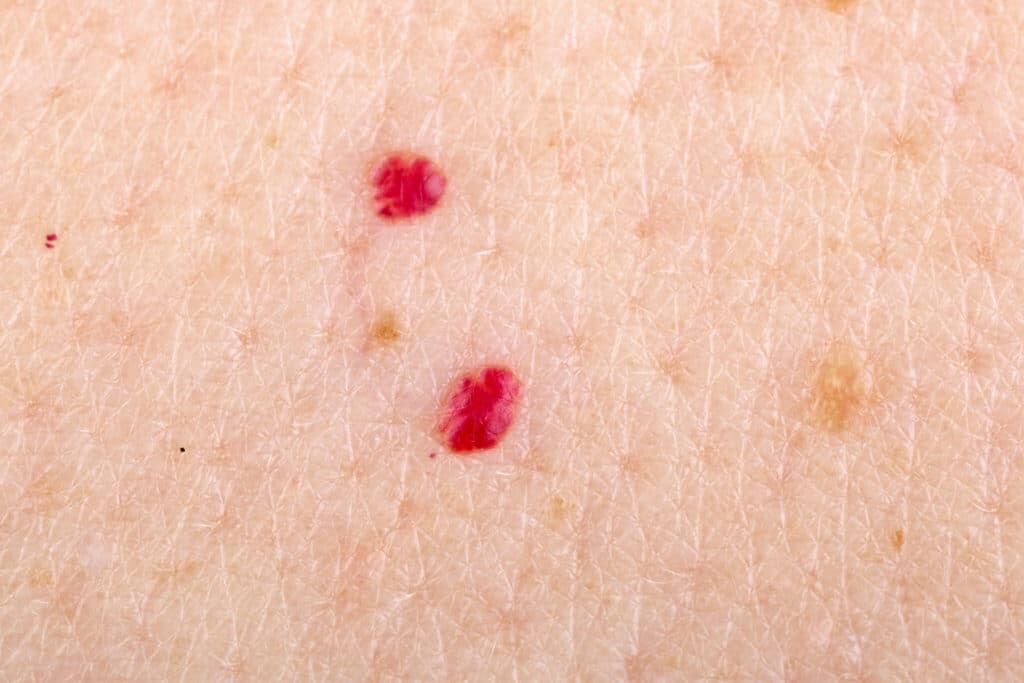
2. Cherry Angiomas
Appearance: Bright red, raised bumps.
Cherry angiomas are one of the most common types of red skin growths, especially as people age. They result from an overgrowth of small blood vessels and are generally harmless. Most people don’t require any treatment unless they bleed or for cosmetic reasons.
3. Heat Rash
Appearance: Itchy clusters of small red bumps.
Also called miliaria, heat rash occurs when sweat gets trapped in sweat glands. Warm, humid environments often trigger it. While uncomfortable, it typically resolves on its own with cooling measures.
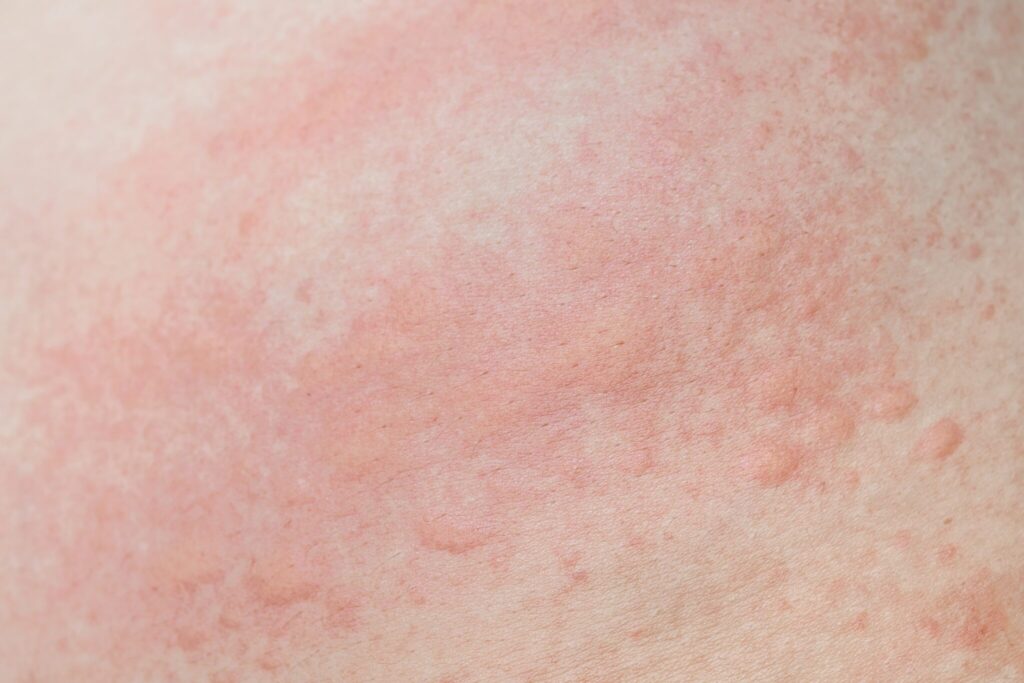
4. Allergic Reactions
Appearance: Itchy, red patches or hives.
An allergic reaction to food, medications, insect bites, or environmental triggers can cause red spots or rashes to emerge quickly. Identifying and avoiding the allergen is key, and antihistamines often help alleviate symptoms.
5. Folliculitis
Appearance: Red, pimple-like bumps around hair follicles.
Folliculitis is caused by inflammation of hair follicles, usually due to bacterial or fungal infections. In mild cases, it resolves on its own, but more severe or persistent infections may require antibiotic treatment.
6. Cellulitis
Appearance: Warm, swollen, and tender red skin.
Cellulitis is a serious bacterial skin infection that spreads quickly. Without prompt medical attention, it can lead to more severe complications. Treatment typically involves antibiotics.
7. Impetigo
Appearance: Red sores that ooze, burst, and crust over.
Common among children, impetigo is highly contagious. While usually mild, it requires antibiotic treatment to prevent spread and complications.
8. Vasculitis
Appearance: Red or purple dots (sometimes resembling bruises).
Vasculitis is inflammation of blood vessels, often linked to autoimmune disorders or infections. This condition may require immunosuppressive or anti-inflammatory treatments depending on its cause.
9. Hemangiomas
Appearance: Raised, bright red birthmarks.
Hemangiomas are benign growths resulting from abnormal blood vessel development. They often fade over time but may occasionally require medical intervention if they grow rapidly or interfere with vital functions.
When to See a Doctor
While most red dots on the skin are benign, it’s important to seek medical advice if:
-
Red dots are accompanied by fever, pain, or swelling.
-
The spots rapidly increase in size or number.
-
You experience fatigue, dizziness, or weakness alongside the skin changes.
Staying aware of your body’s signals is key to your health. If you notice persistent or unusual skin changes, don’t hesitate to consult a healthcare professional.
More From Daily Positive
 I Flew In to Help My Best Friend Before Labor—But What She Told Me When I Arrived Made Me Turn Around and Go Straight Home
 Trump shows off ‘wrinkled hands’ amid latest health fear
 Songwriter guitarist and founding member of the classic rock bands dies at 81
 Trump issues stern warning after Israel and Iran violate ceasefire
 Critics point out ‘weak’ and ‘scared’ way Trump addressed the US after Iran strikes
 Single mom, 48, diagnosed with early Alzheimer’s reveals first symptom she noticed