Listen to Donald Trump or members of his administration for any length of time and it is easy to come away with the impression that their achievements are not only substantial, but historically unmatched. By Trump’s own account, his tariff policies have poured billions into U.S. coffers, gas prices have hit record lows, and his broader agenda to make America stronger, healthier, and more prosperous is progressing faster than even supporters expected.
At the same time, Trump has long been criticized for blending exaggeration, selective facts, and outright falsehoods into sweeping claims of success. Senior figures within his administration have tied their political futures closely to his, aligning themselves with a president widely regarded as one of the most polarizing figures in modern American history. As a result, the picture painted by Trump himself often clashes sharply with how his leadership is perceived outside the White House.
That disconnect is particularly evident when looking at public opinion. While Trump regularly presents his presidency as a story of momentum and widespread approval, large segments of the American public appear far less convinced. Since his return to office last January for a second term, he has moved quickly to exert executive power and push through sweeping changes, reinforcing both his appeal among loyal supporters and the concerns of his critics.
Trump maintains that his leadership has helped prevent new global conflicts, positioning himself as a stabilizing force on the world stage. Yet some of his recent actions have struck observers as increasingly aggressive or imperial in tone, including rhetoric surrounding the capture of Venezuelan president Nicolas Maduro and renewed talk of annexing Greenland, a territory governed by NATO ally Denmark. These moves, combined with ongoing unrest in several U.S. states, have fueled debate about the direction of his foreign and domestic policies.
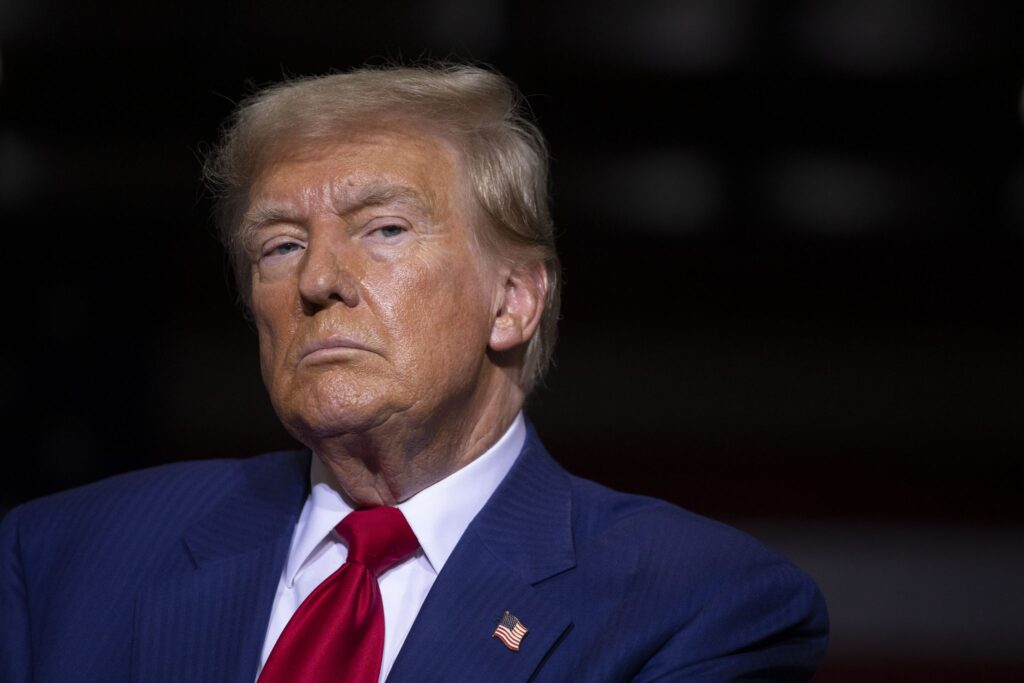
Immigration has been another flashpoint. The administration’s hardline approach has drawn intense scrutiny, as has Trump’s continued association with unresolved controversies, including alleged links to the so-called Epstein files, which have yet to be fully released. Taken together, these issues make it difficult for critics to see how Trump’s overall popularity could have significantly improved since his return to office.
Still, Trump has never been one to concede ground in the court of public opinion. His political instincts and ability to project confidence have often allowed him to maintain an image of control, even amid mounting criticism. Whether that image aligns with reality is another matter, and recent polling suggests a more complicated and less flattering picture.
An AP-NORC poll conducted this month offers a snapshot of how Americans currently view Trump’s performance. Rather than reflecting the overwhelming success Trump frequently describes, the results point to a nation that remains deeply divided and, in many cases, dissatisfied. According to the survey, roughly four in ten U.S. adults approve of Trump’s job performance so far in his second term. Notably, this figure has changed little since March 2025, just two months after he returned to the presidency.
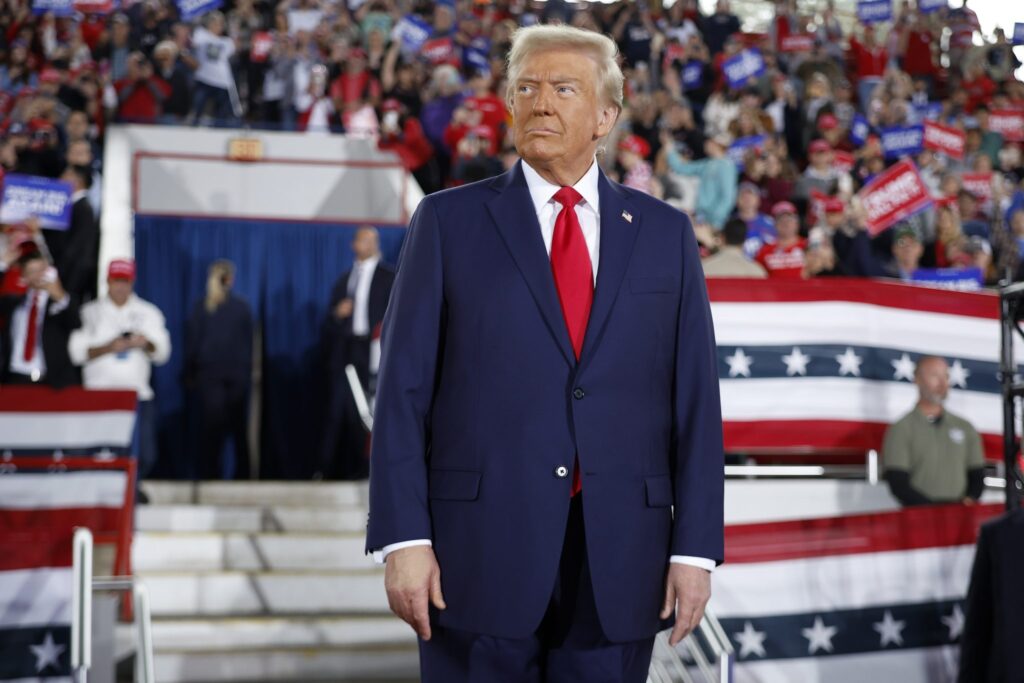
As of January 8, 2026, the poll found that 59 percent of American adults disapprove of how Trump is handling his duties as president, while 40 percent approve. The breakdown by policy area reveals similar patterns of skepticism. Only 37 percent of respondents said they approve of Trump’s handling of the economy, compared with 62 percent who disapprove. On immigration, 38 percent expressed approval, while 61 percent disapproved. Foreign policy earned nearly identical numbers, with 37 percent approving and 61 percent disapproving. Trump’s approach to trade negotiations followed the same trend, drawing approval from 37 percent of respondents and disapproval from 61 percent.
Taken together, the data suggest that Trump’s second term has not produced a surge in public support, despite his claims of unprecedented success. While he retains a loyal base and continues to dominate political discourse, a majority of Americans remain unconvinced by his leadership and direction.
How these perceptions evolve over the remainder of his term remains to be seen. For now, the gap between Trump’s self-portrait of triumph and the public’s more critical assessment continues to define the political landscape of his presidency.
More From Daily Positive
 Bill Clinton admits that she tested positive for…See more
 We Announce With Heavy Hearts the Passing of a Beloved Figure Whose Courage, Spirit, and Influence Touched Thousands, Leaving Behind an Unforgettable Legacy of Strength, Advocacy, and Love That Continues to Inspire Even as Family, Friends, and Admirers Struggle With the Immense Weight of Loss and Memory
 Laughing At Life’s Detours
 My New Year’s Eve Almost Ended In Tragedy,
 I Cared for My Husband's Mom for Five Months After Surgery While He Was Cheating – So I Taught Him a Lesson by Taking What He Valued Most
 FIFA Issue Statement on Stripping Donald Trump of Peace Award After Threats