From the moment the lights dimmed at Super Bowl LX, it was clear this wasn’t going to be a standard halftime performance. Something in the staging — the pacing, the lingering camera shots, the layered symbolism — hinted that viewers were being invited to look closer.
By the time Bad Bunny stepped off the field at Levi’s Stadium in Santa Clara on February 8, 2026, fans weren’t just replaying the music. They were dissecting every detail.
A Performance Built for Rewatching
The NFL uploaded the full Apple Music Halftime Show to YouTube the next day, and the views climbed quickly into the millions. Watching it back, one thing became obvious: the show was constructed like a cinematic experience, not just a concert.
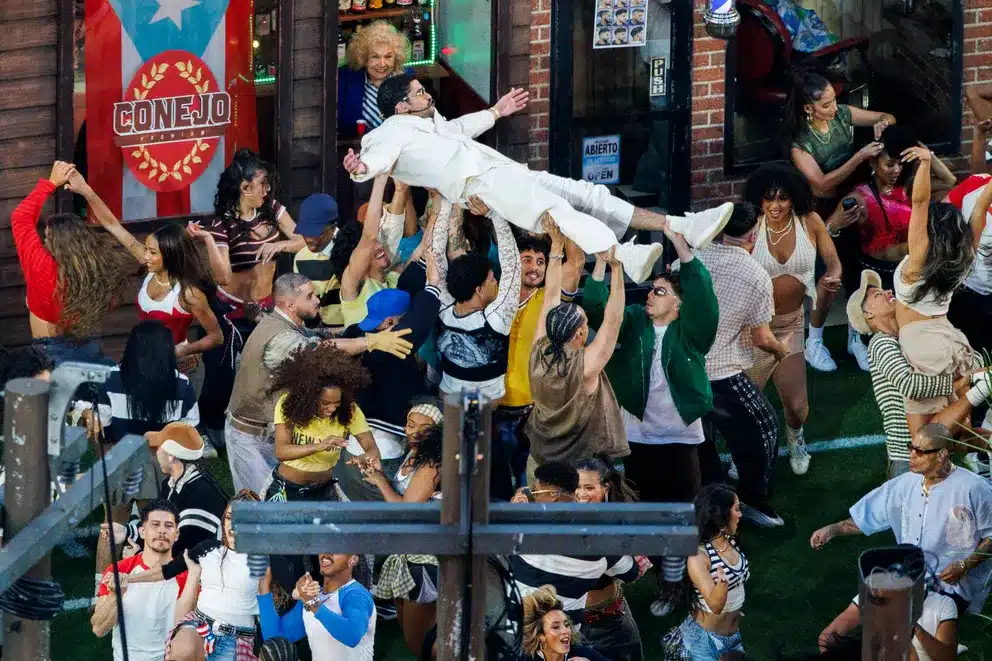
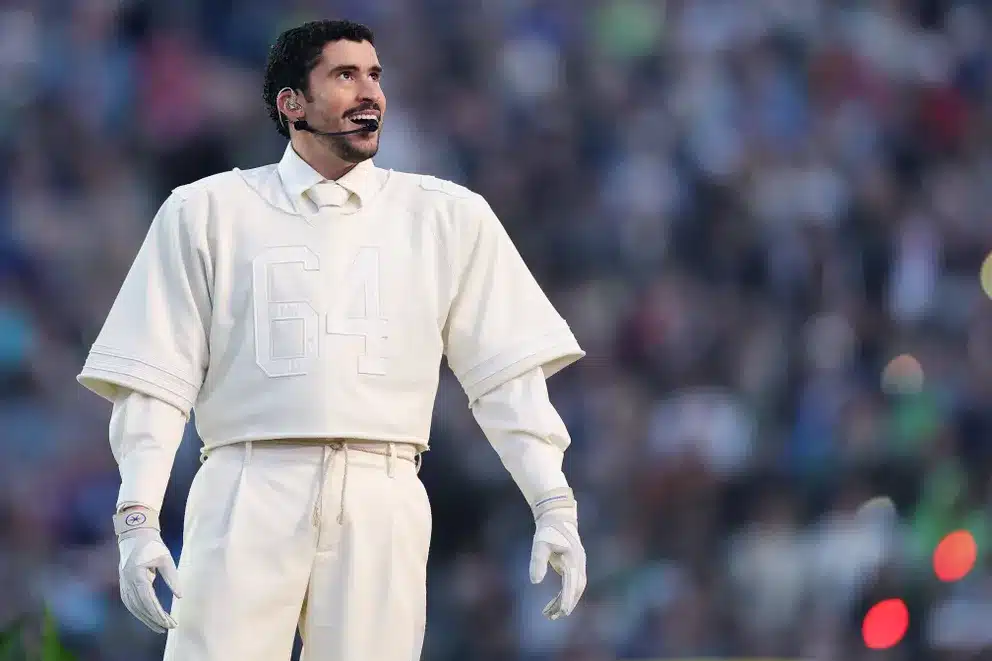
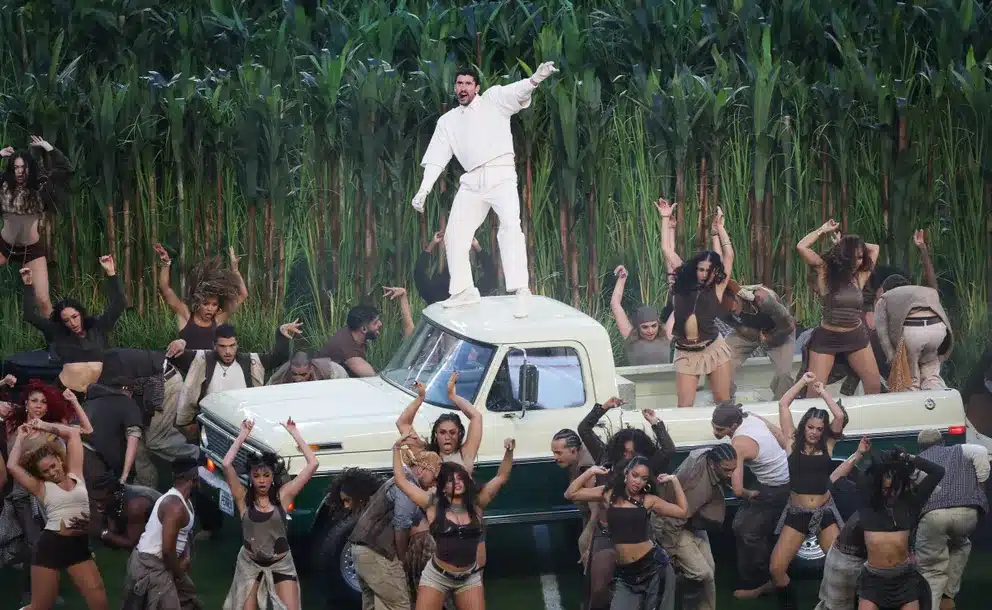
Benito Antonio Martínez Ocasio — Bad Bunny’s given name — blended high-energy choreography with theatrical storytelling. Transitions felt deliberate. Background characters weren’t just dancers; they were part of a narrative.
And viewers noticed.
The Couple Everyone Was Watching
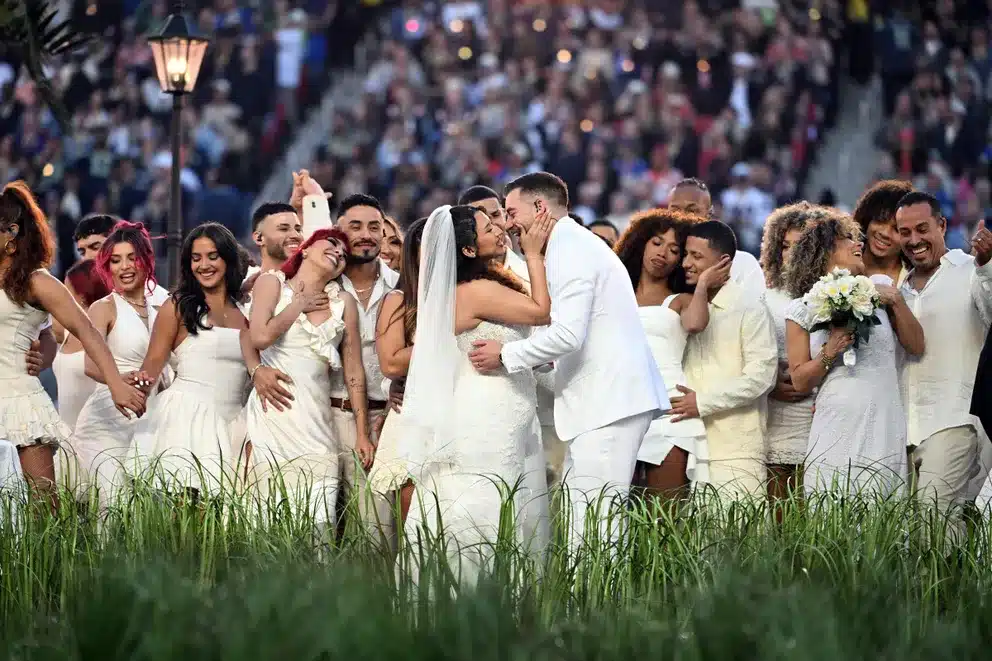
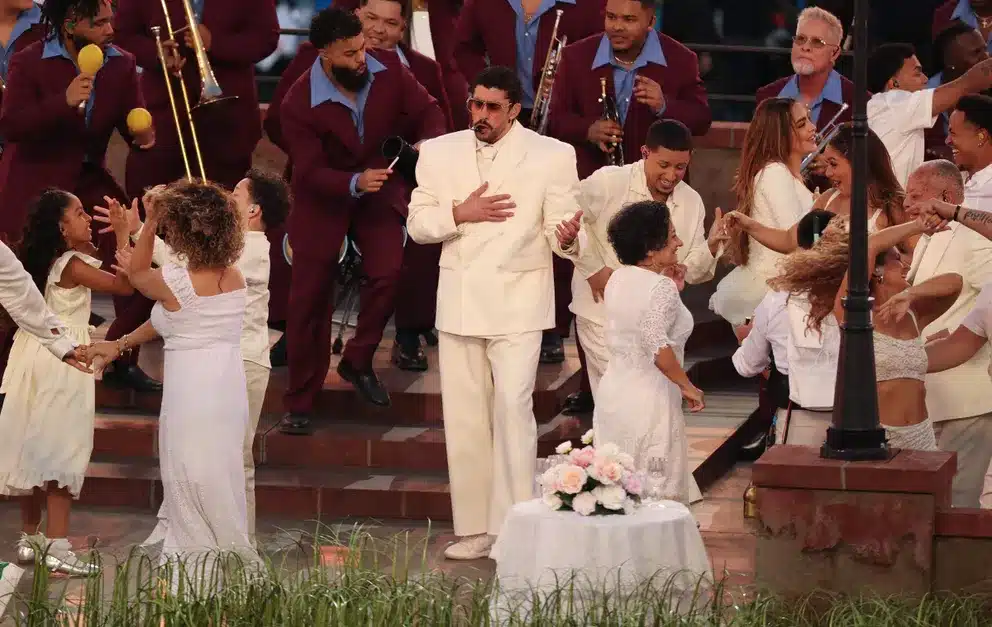
Early in the set, cameras repeatedly cut to a sharply dressed couple woven into the choreography. At first, it looked like a stylized romantic subplot — the kind halftime shows often include for emotional texture.
But as the performance unfolded, the couple kept returning to the frame. The repetition sparked curiosity online. Was it scripted symbolism? A celebrity cameo?
Midway through the show, the answer came: according to ESPN, the couple was legally married during the halftime performance itself, surrounded by dancers and lights with millions watching worldwide.
The backstory made it even more compelling. The pair had originally invited Bad Bunny to perform at their wedding. Instead, he flipped the script — bringing their ceremony to the Super Bowl stage.
It was a moment that blurred the line between spectacle and sincerity.
Surprise Appearances and Cultural Signals
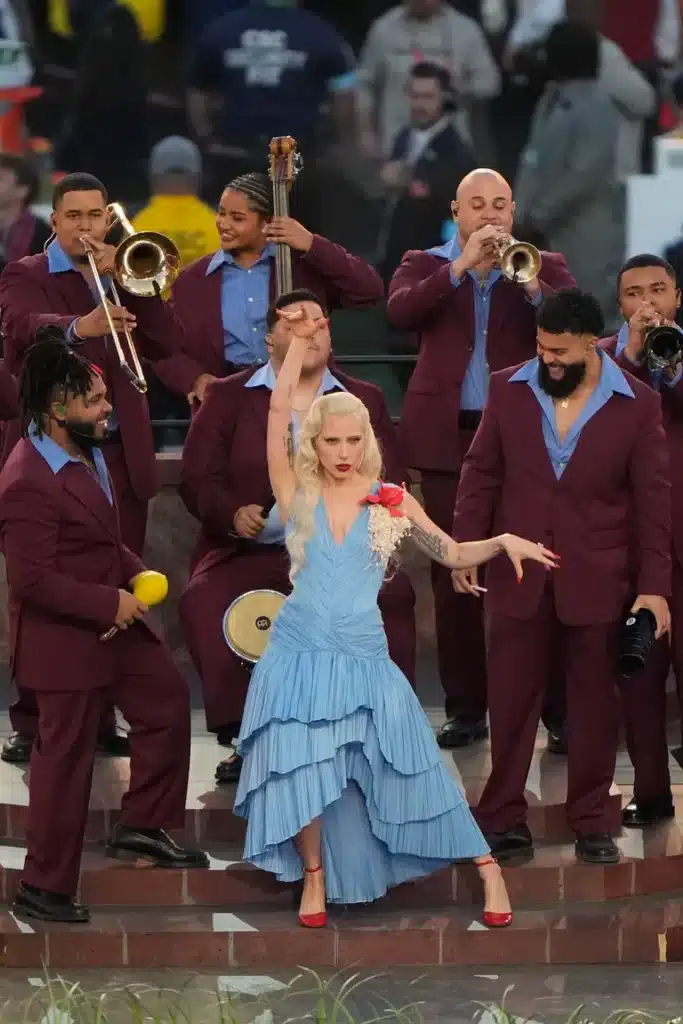
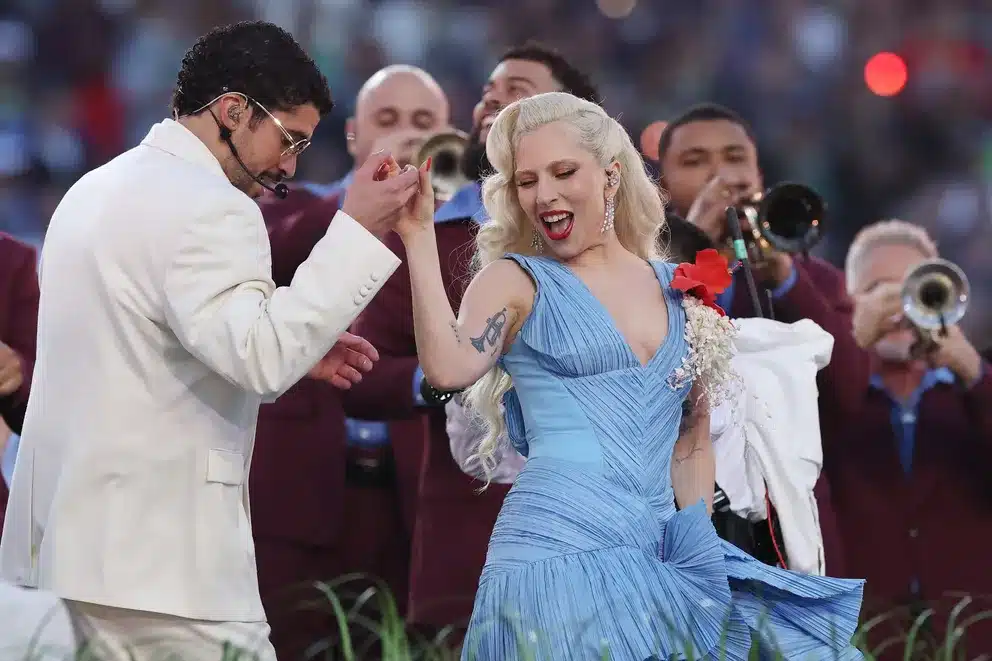
The show layered in additional cameos that fueled conversation. Lady Gaga appeared for a surprise salsa-infused performance, while Ricky Martin made a brief but electric appearance.
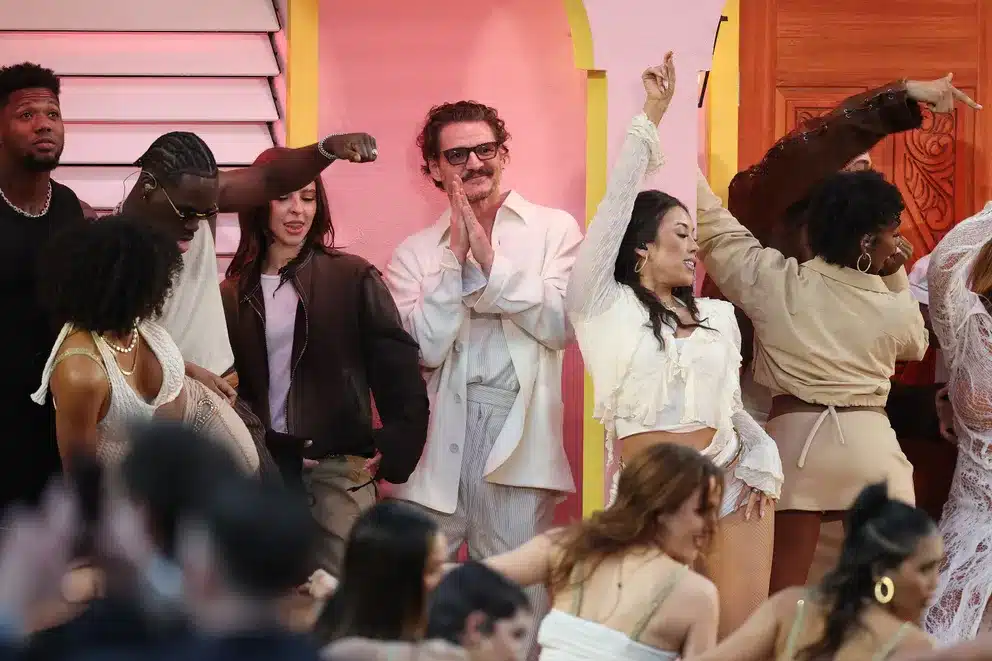
Inside the playful “La Casita” set, cameras caught Pedro Pascal, Jessica Alba, and influencer Alix Earle dancing along.
Even smaller gestures became talking points. A brief onstage moment featuring Toñita, the legendary New York performer, serving Bad Bunny a drink drew attention from Spanish-language journalists and fans who recognized the cultural nod immediately.
Nothing seemed accidental.
The Grammy Moment That Sparked Speculation
Perhaps the most debated moment came when Bad Bunny handed his Grammy Award to a young boy onstage.
Within minutes, social media lit up with speculation. Some users claimed the child was Liam Ramos, a 5-year-old reportedly detained by ICE in Minneapolis. Others pushed back, suggesting the moment was symbolic rather than literal.
Later clarification from ESPN, citing a source, stated the child was an actor — not Liam Ramos. Still, the ambiguity had already fueled intense online debate.
Many interpreted the scene as a visual metaphor: young Benito handing a Grammy to his younger self, reinforcing a “dream big” message rather than referencing a specific political case.
In a performance packed with layered imagery, that brief exchange proved how quickly symbolism can take on a life of its own.
The Closing Message
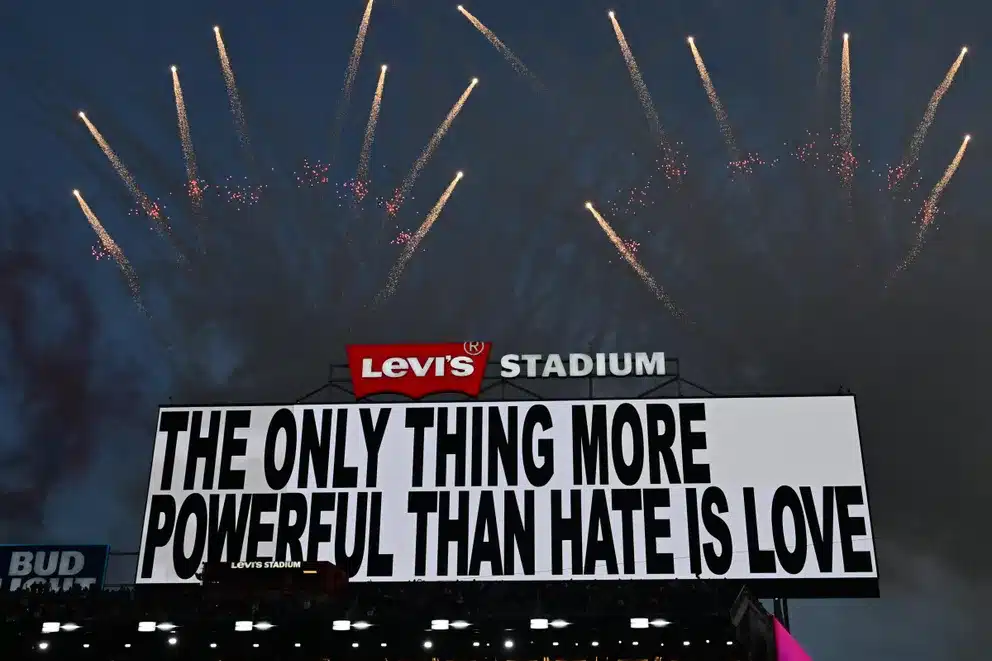
As the finale approached, a billboard illuminated the stadium with the words:
“The only thing more powerful than hate is love.”
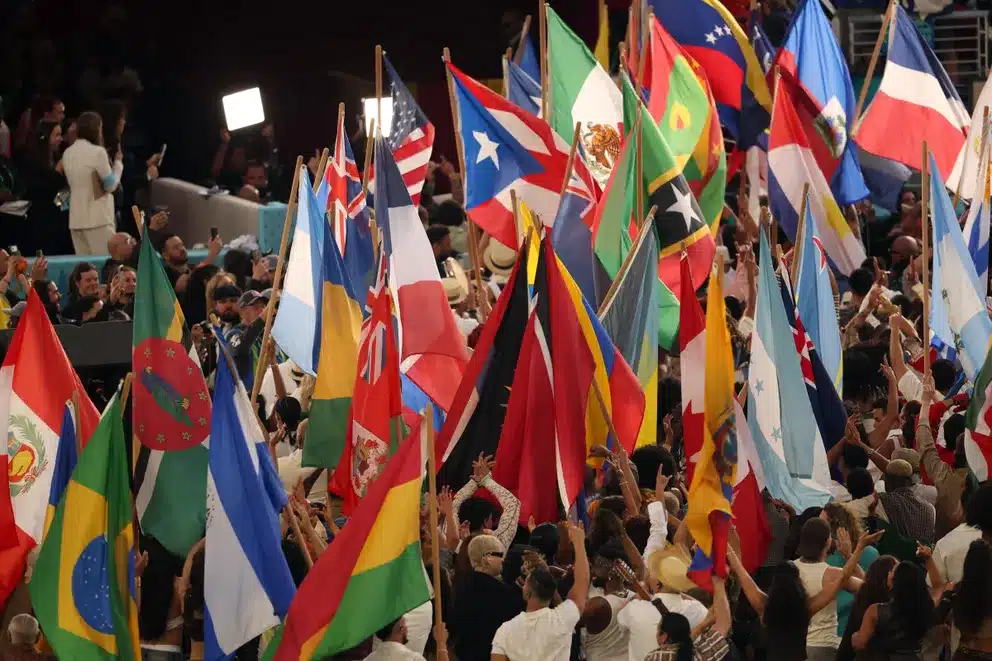
Performers waved flags representing countries across the Americas. The imagery leaned heavily into unity and identity, themes that had run quietly through the entire set.
The message felt intentional — a summary of everything that came before it: the wedding, the child, the cultural references, the flags.
It also ensured the show would extend beyond music into broader cultural conversation.
Political Reaction and Escalation
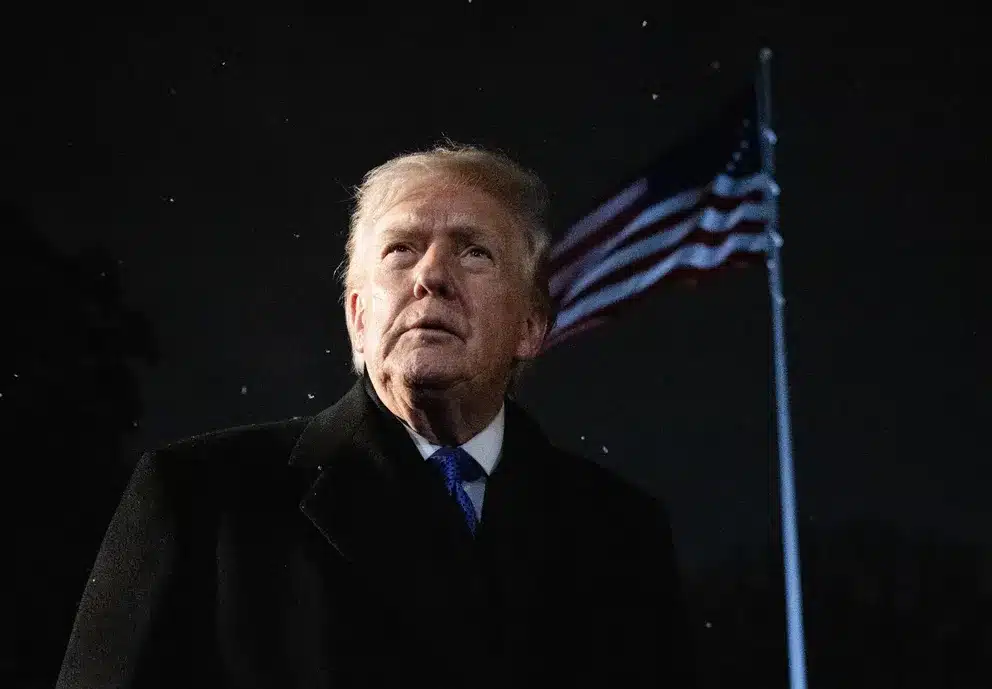
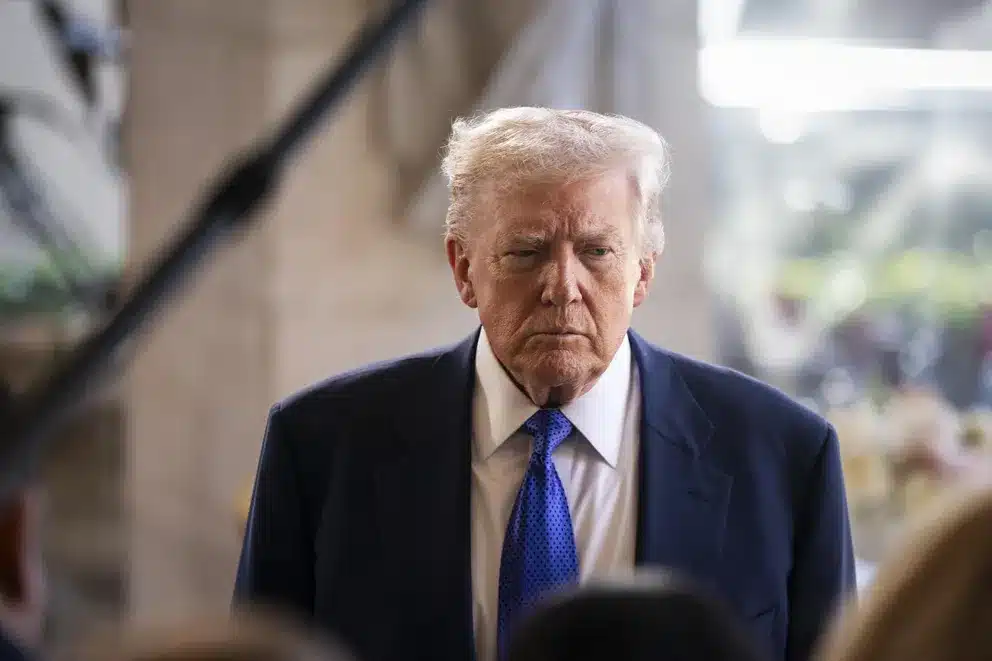
Not everyone received the performance positively. Donald Trump quickly weighed in on Truth Social, calling the halftime show “absolutely terrible” and criticizing its language, choreography, and tone.
He described it as “an affront to the Greatness of America” and predicted favorable coverage from what he referred to as “Fake News Media.” He also used the post to criticize the NFL’s kickoff rule.
Trump had previously criticized the performer selection in a January interview, saying he was “anti-them” regarding both Bad Bunny and Green Day.
His reaction added fuel to an already intense online conversation, turning what began as a musical event into a cultural and political flashpoint.
More Than Just a Halftime Show
What makes this performance stand out isn’t just the music or even the controversy — it’s the layering.
A wedding woven into choreography.
A Grammy passed to a child.
Cultural icons tucked into background frames.
A message of love projected over a stadium.
Whether viewed as art, activism, spectacle, or provocation, the halftime show refused to exist in a single lane.
And that may be why people are still talking about it.
Love it or criticize it, the performance did something undeniable: it demanded attention — and it made sure nobody stopped watching.
More From Daily Positive
 Rock legend says he’s ‘standing up’ for Bad Bunny after ‘great’ Halftime Show
 Trump destroys Bad Bunny’s halftime Super Bowl performance with 5 ruthless words
 Blood, Broken Security Cameras: The Strange Case of Nancy Guthrie
 U.S. Olympic Athlete Revives a Once-Banned Move from 1977, Surprising Fans
 Guess who: He is a very famous man today and he is not the.
 Coach reveals Lindsey Vonn’s first words after horror crash