Donald Trump’s proposal to rename the Gulf of Mexico as the “Gulf of America” has ignited heated debate and drawn both admiration and criticism. The idea, part of his broader executive order to “restore names that honor American greatness,” has been seen by some as a bold assertion of national pride and by others as a move likely to strain international relations.
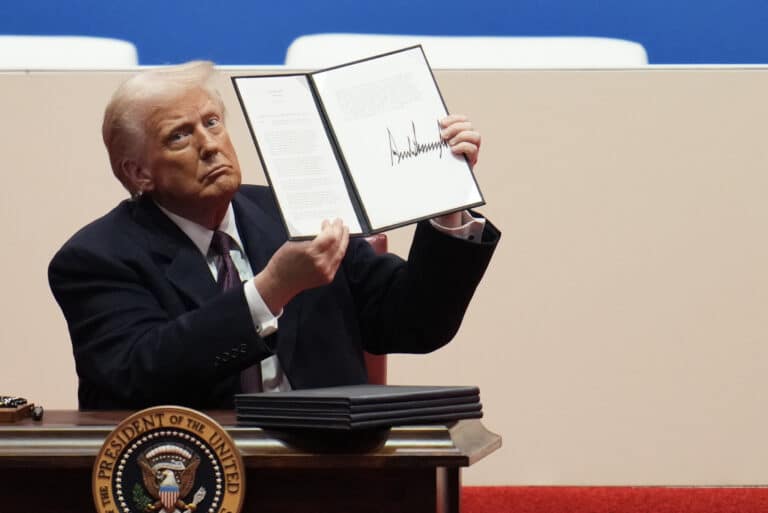
The executive order outlines Trump’s vision to emphasize American heritage and patriotism through symbolic renaming. “The Gulf will continue to play a pivotal role in shaping America’s future and the global economy,” Trump stated. “In recognition of this flourishing economic resource and its critical importance to our Nation’s economy and its people, I am directing that it officially be renamed the Gulf of America.”
The order also included a suggestion to restore the name “Mount McKinley” to North America’s highest peak, which was renamed Denali in 2015 in honor of its indigenous roots. Trump’s rationale is that such renaming decisions should celebrate American heroes and historical contributions, underscoring his administration’s focus on national identity.
Reactions from Mexico and International Stakeholders
The response from Mexico was swift and critical. Mexican President Claudia Sheinbaum addressed the proposal, emphasizing that while the United States may refer to it as the “Gulf of America” within its borders, “for us and the world, it remains the Gulf of Mexico.” Her remarks highlighted the shared history and geography tied to the Gulf, which borders not only Mexico and the United States but also Cuba.
The Gulf of Mexico, known globally by its current name, represents centuries of shared history and international cooperation. It is a vital waterway for fishing, oil production, and trade, and renaming it would likely require diplomatic negotiations involving territorial agreements and international law. Critics argue that Trump’s proposal could come across as dismissive of these complexities, risking further strain in U.S.-Mexico relations.
National and Environmental Concerns
Domestically, the proposal has divided opinion. Critics have labeled the move an act of hyper-nationalism that undermines historical and cultural ties. “This is another attempt to overwrite shared history with unilateral symbolism,” said one political commentator. Many have also pointed out that the Gulf’s pressing challenges—such as pollution, overfishing, and climate change—should take priority over symbolic name changes.
On social media, the idea sparked widespread discussion. A video of Hillary Clinton laughing during Trump’s announcement went viral, with users suggesting her reaction mirrored public sentiment about the proposal. Some saw the gesture as frivolous and questioned whether it detracts from more pressing governance issues.
Proponents of the Renaming
Supporters of the renaming argue it would serve as a symbolic gesture of American strength and independence. For them, the “Gulf of America” embodies the nation’s dominant role in the region and its historical contributions to global trade and energy production. These proponents see the renaming as an opportunity to reinforce American identity and prestige on the international stage.
Broader Implications
The conversation around renaming the Gulf of Mexico delves deeper into questions about patriotism, symbolism, and the narratives nations choose to represent themselves. Shared natural resources like the Gulf carry layered histories that involve cooperation, conflict, and compromise. A unilateral name change could alter perceptions of the U.S. as a partner in international relations, particularly with neighboring countries like Mexico and Cuba.
Environmentalists have also urged caution, noting that the Gulf’s ecological challenges—such as recovery from oil spills, habitat preservation, and combating climate change—are issues requiring immediate attention. Critics suggest that focusing on these areas would be a far greater display of leadership than a name change.
What’s Next?
While the renaming idea remains speculative, its announcement has undoubtedly ignited a debate on national identity, diplomacy, and the role of symbolic gestures in shaping public perception. For now, the Gulf of Mexico retains its historical name, but the controversy underscores how deeply names can resonate with identity and history.
What do you think of this proposal? Does it reflect bold leadership, or is it a step too far in the name of patriotism?


